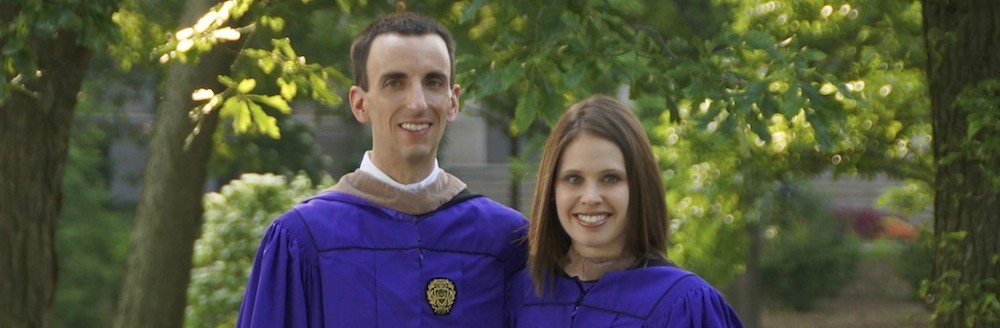
Hola from Bolivia!
Wow, it’s been a great week!
Our mission trip officially started on Sunday, but we had to arrive in Bolivia on Friday evening. Unfortunately, OneWorld only has flights from Santiago to La Paz every other day so we had to come in a bit earlier than needed. While we were sad to miss seeing Santiago, the extra time in La Paz ended up working out well!
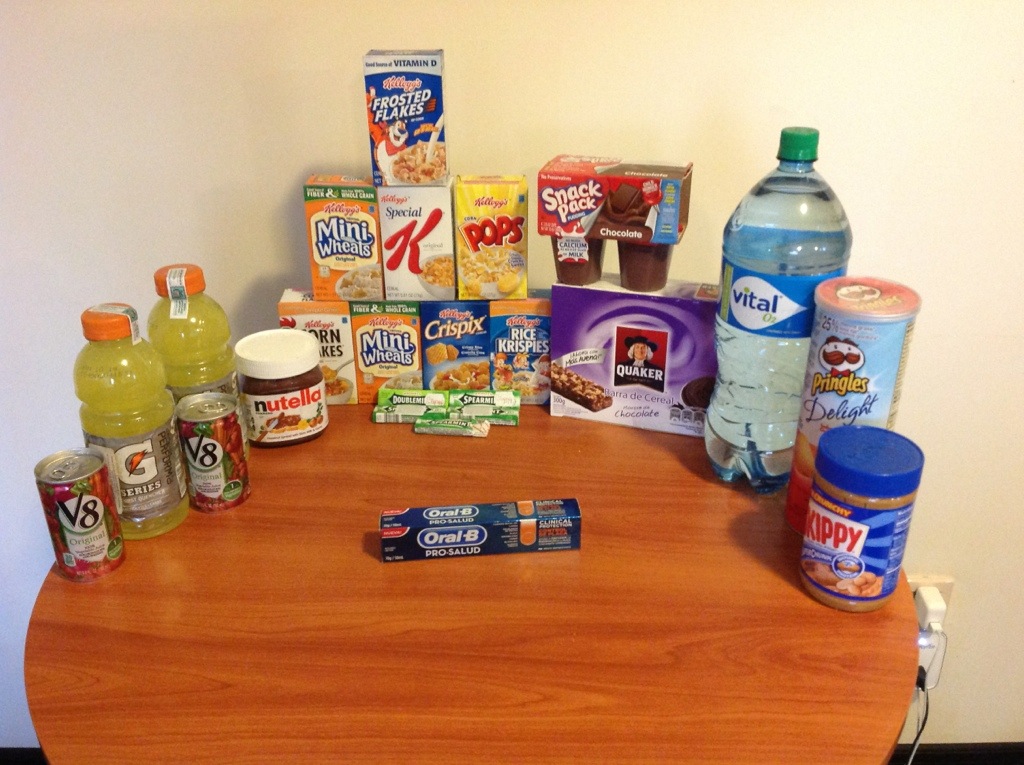
We read that about 60%-70% of people experience altitude sickness when arriving in La Paz. Emily was fortunate to be in the 30% of people who don’t have any issues, but I ended up with several symptoms – headaches, shortness of breath, and tiredness. Our first full day in La Paz involved walking to the grocery store (where we found lots of Western food including Nutella and OralB Toothpaste :)), watching college football, and catching up on reading. In fact, we got to see the OSU vs. Northwestern football game thanks to our SlingBox! I was thankful for this low-key day as it allowed for further acclimation to 13,000 ft+.
We also had a chance to venture out for dinner our first night in the city. The hotel arranged a taxi and had the taxi wait 1 hour for us to finish before driving us home. This cost a total of $5 – quite a difference from Bora Bora!
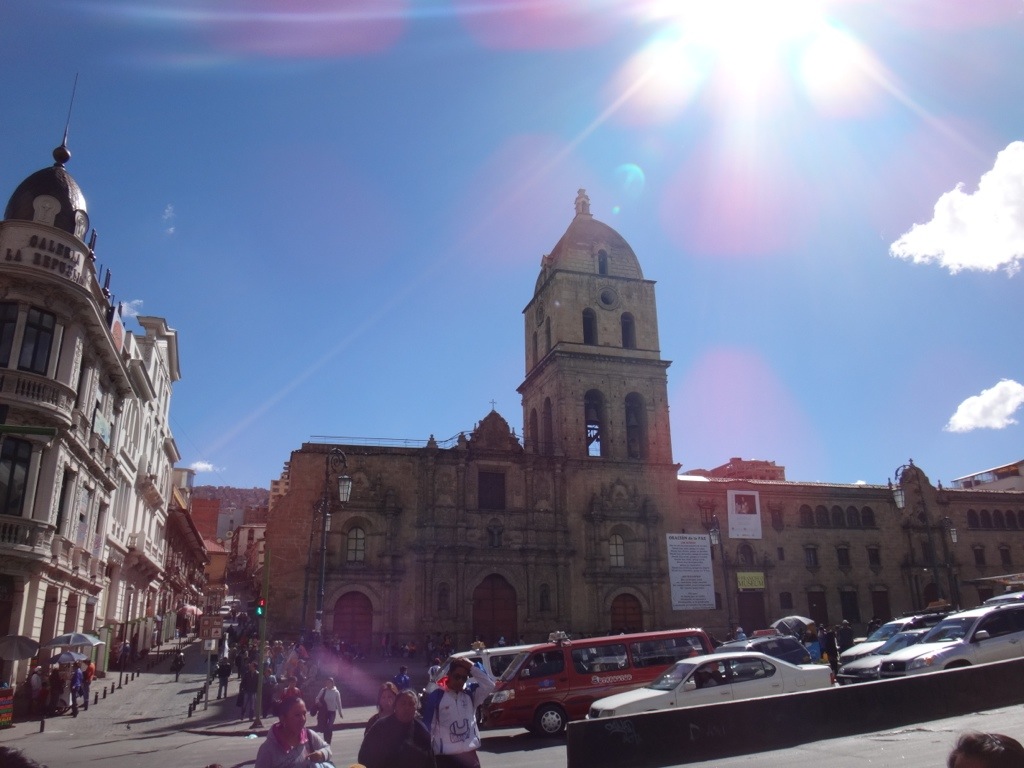
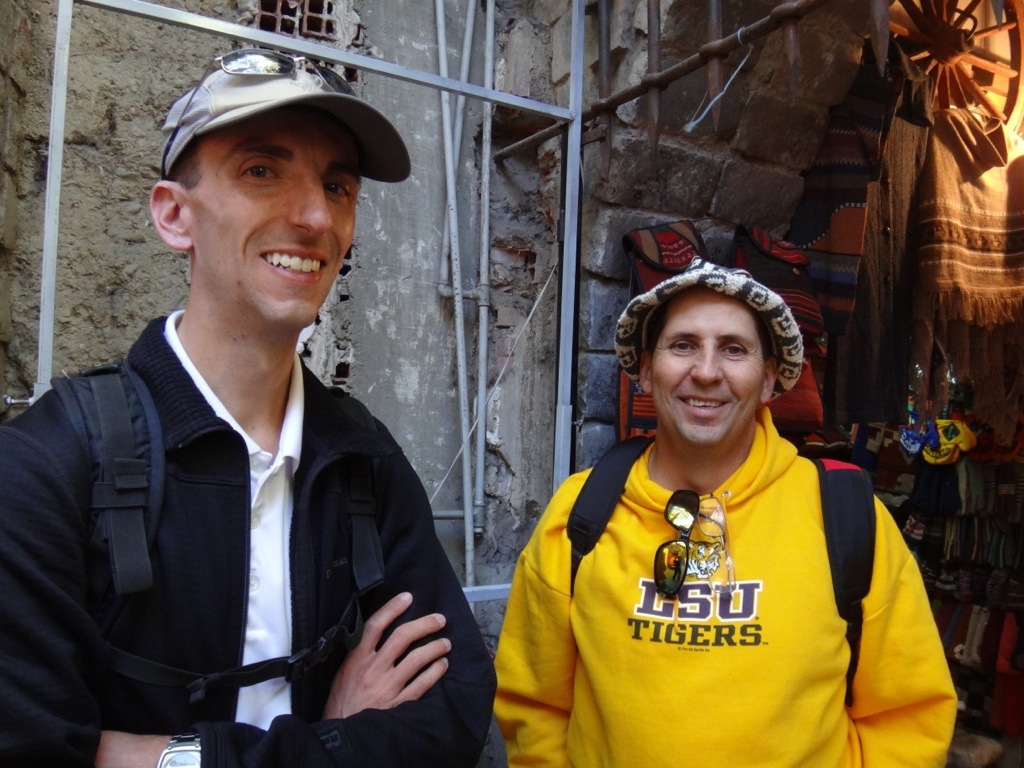
Sunday was the official start of the trip as our four other team members arrived from the US. We spent the day getting to know the local team leader as well as the rest of the team over lunch, dinner, and shopping in the old town market.
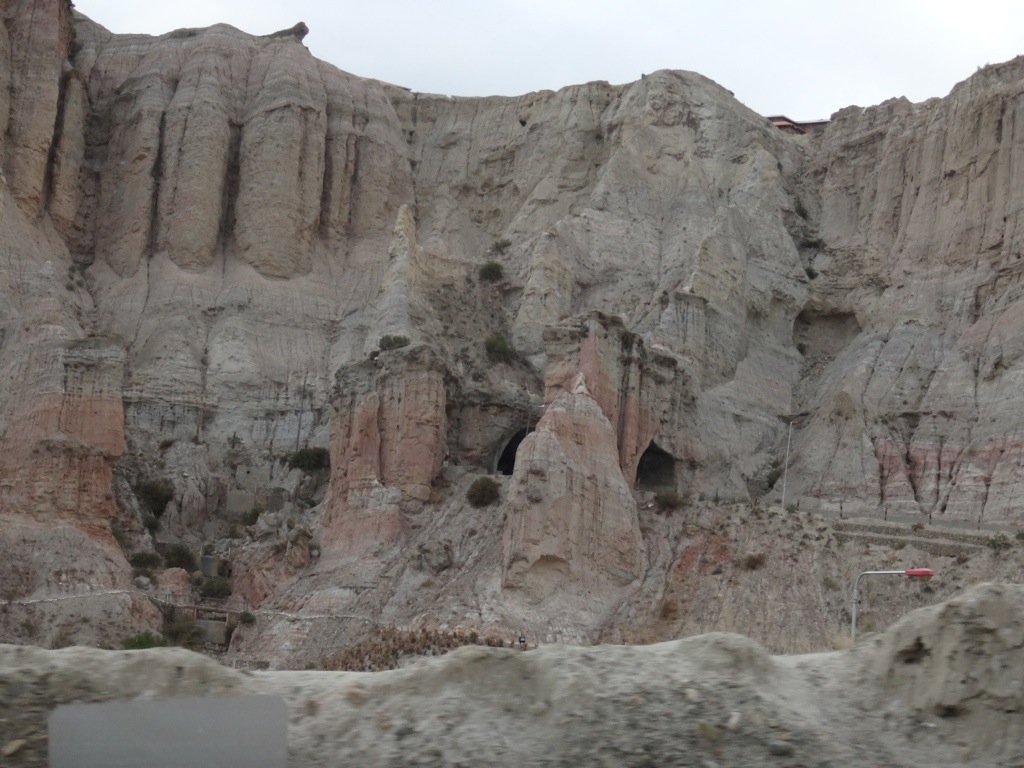
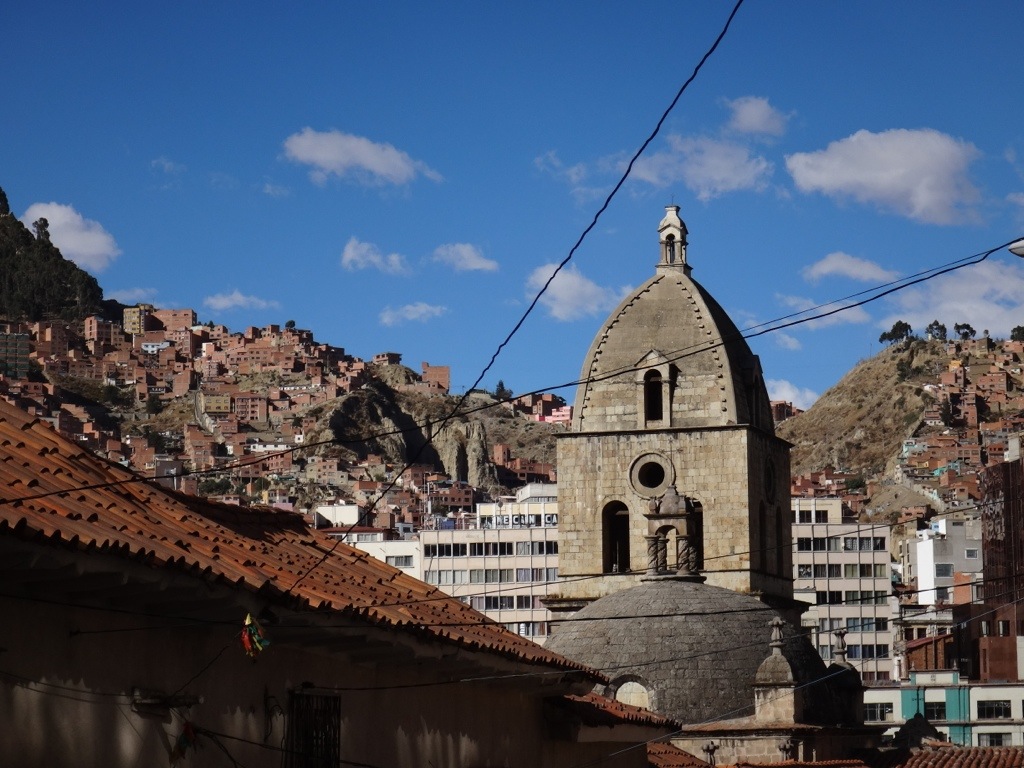

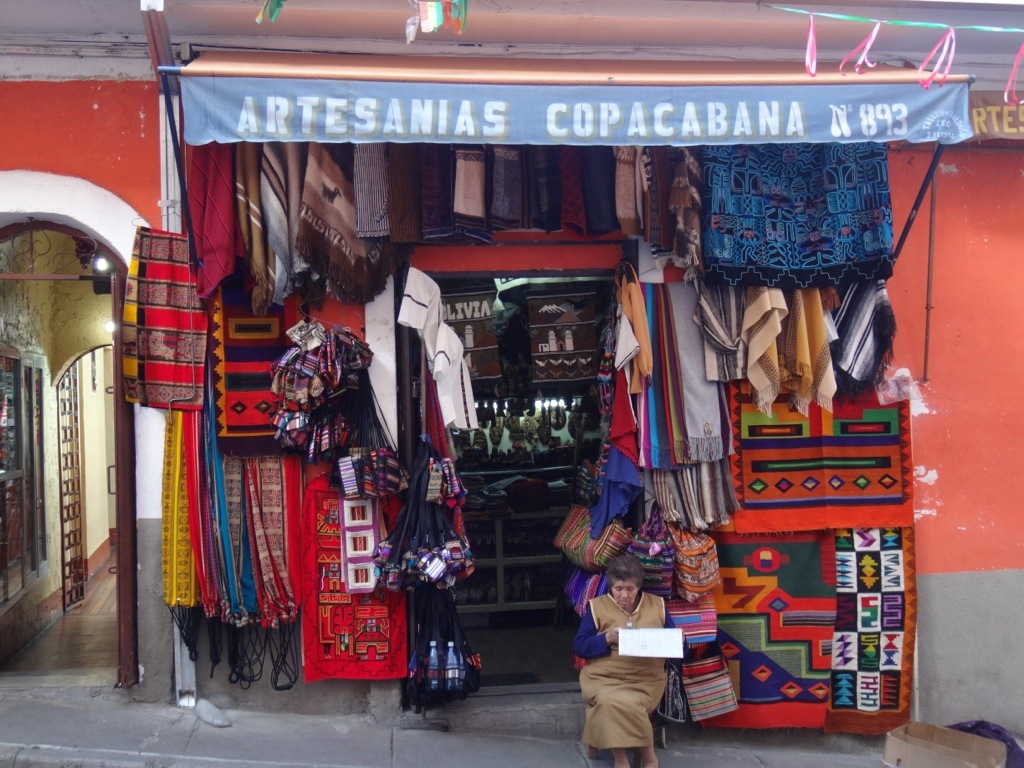
To the Field
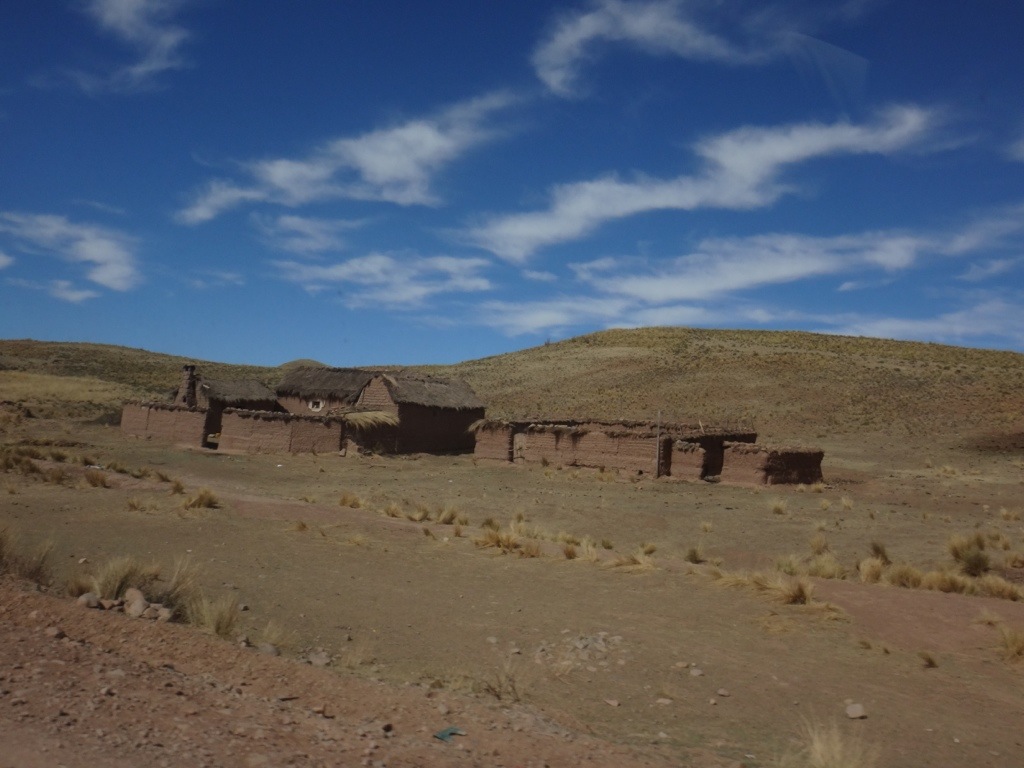
On Monday we left bright and early for the altiplano region, our home base for the next 5 days. After dropping off our bags, we headed out to homes of two families to start digging!
Landscape of Altiplano
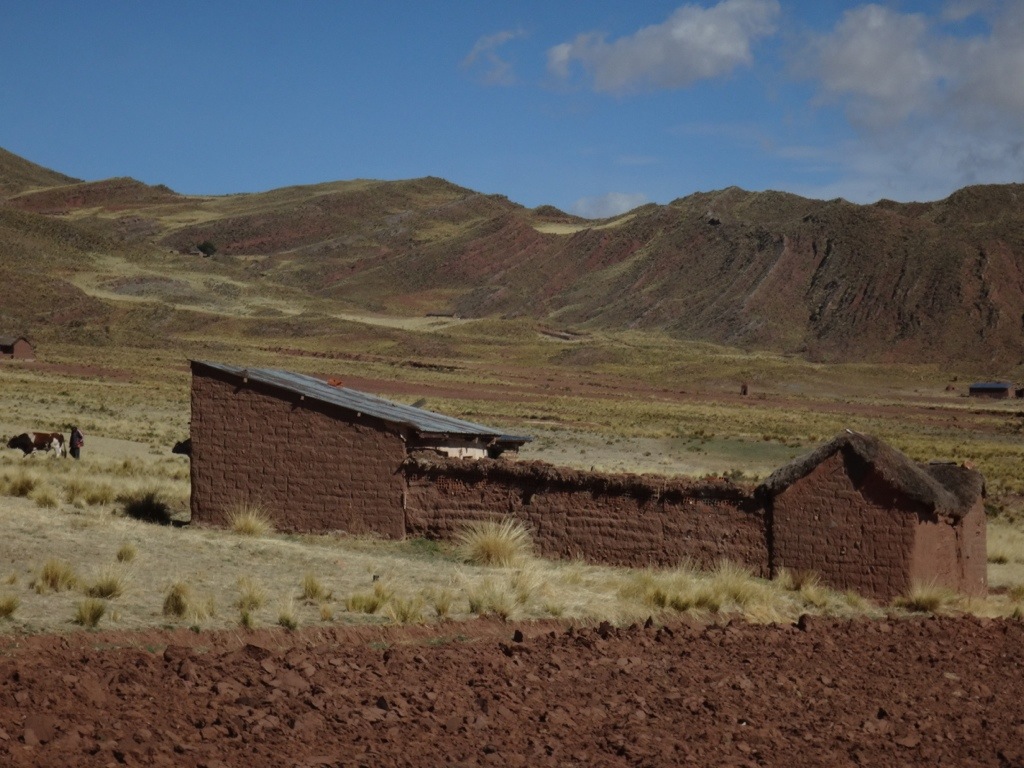
Home base where we stayed
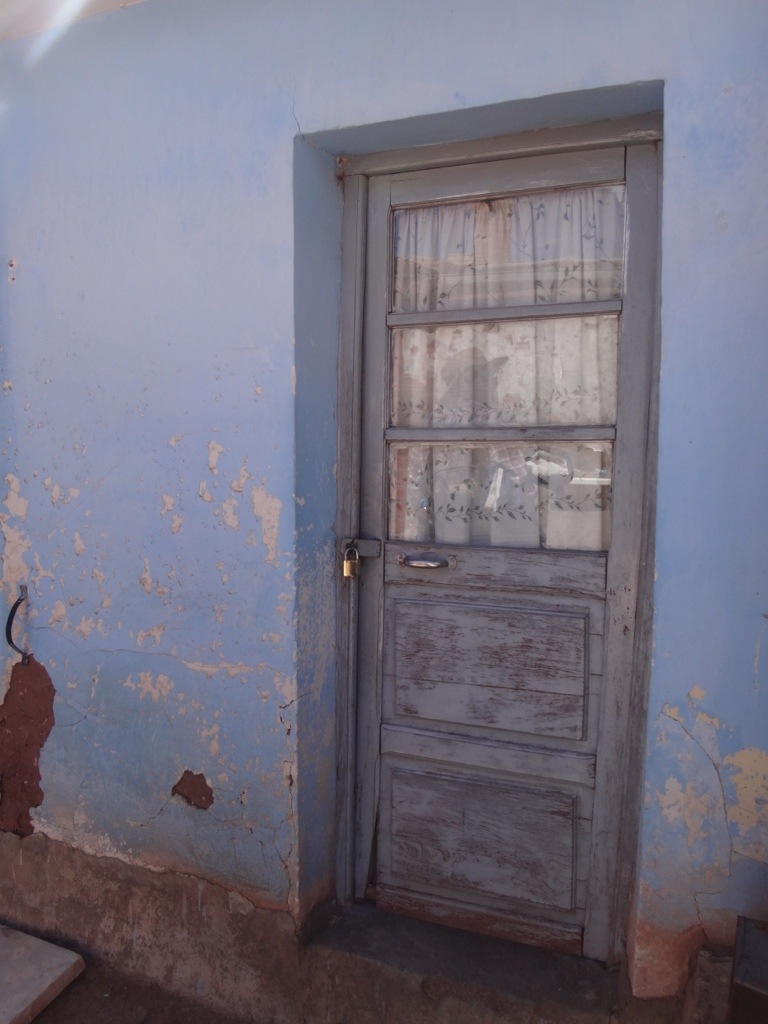
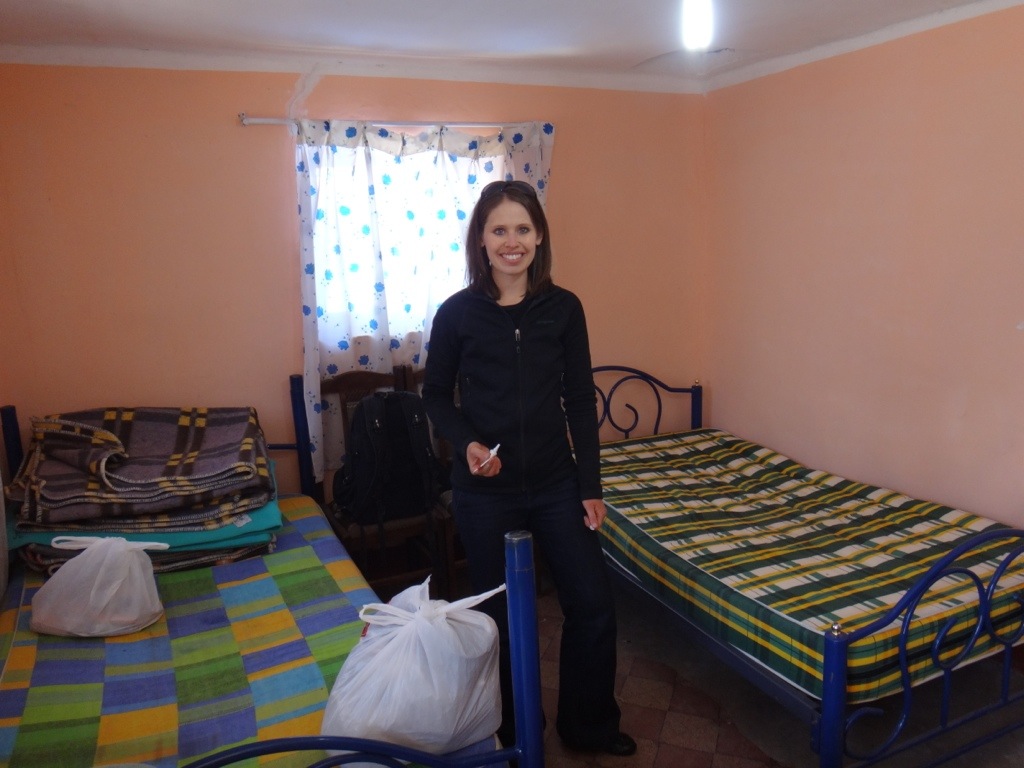
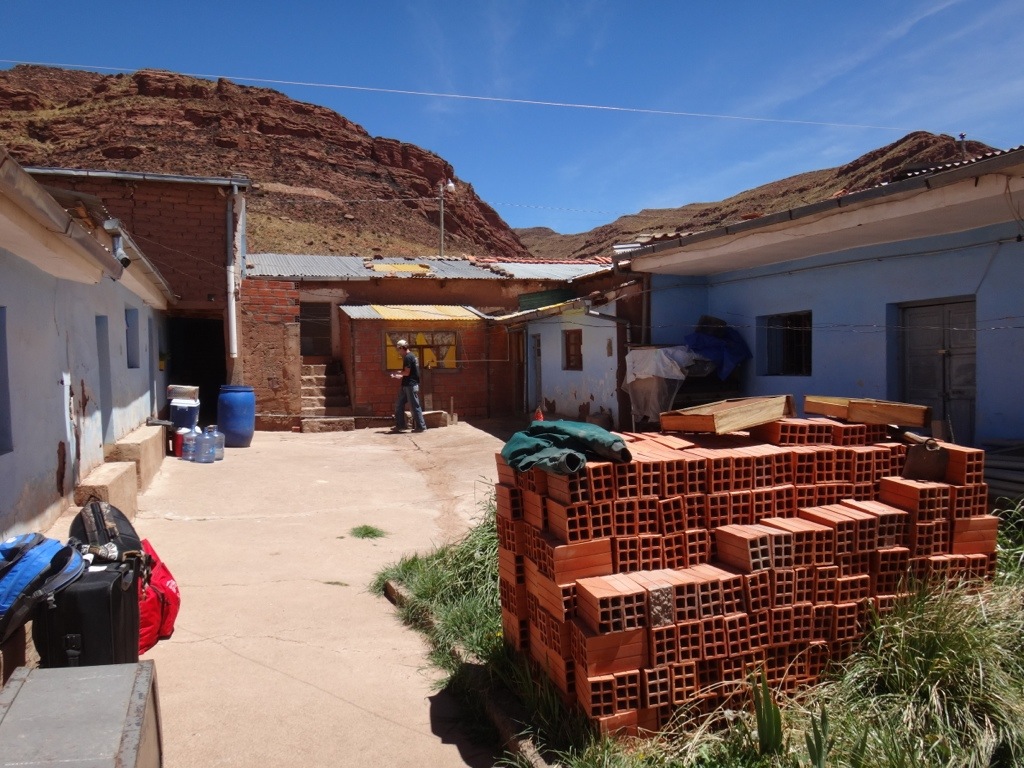
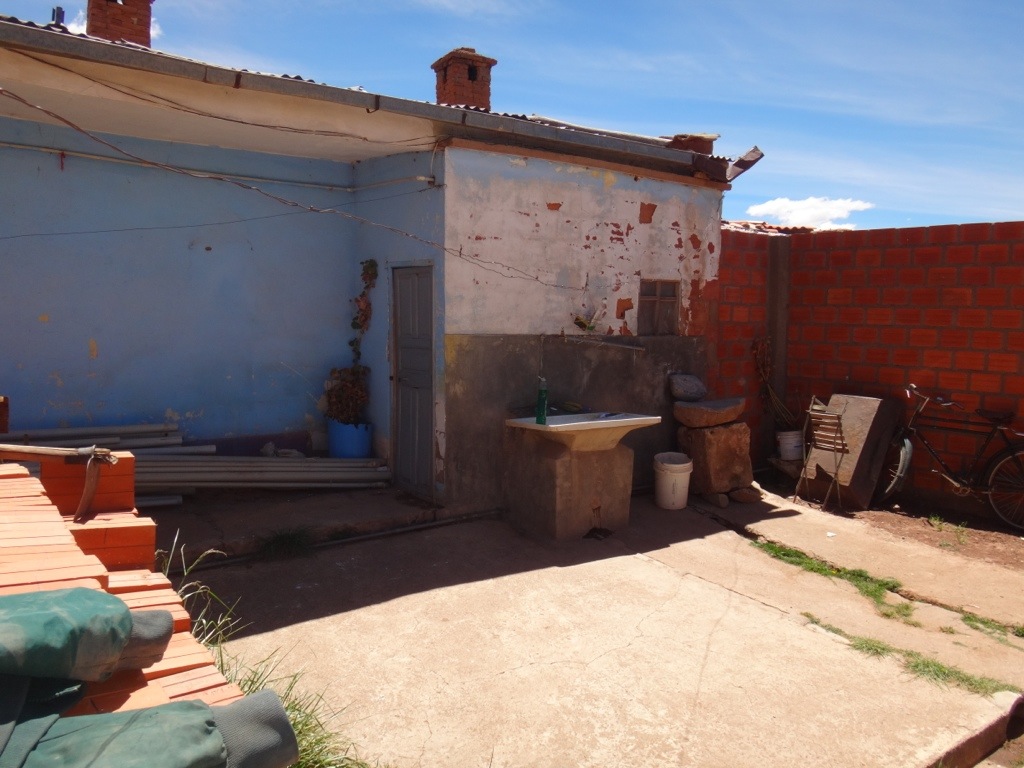
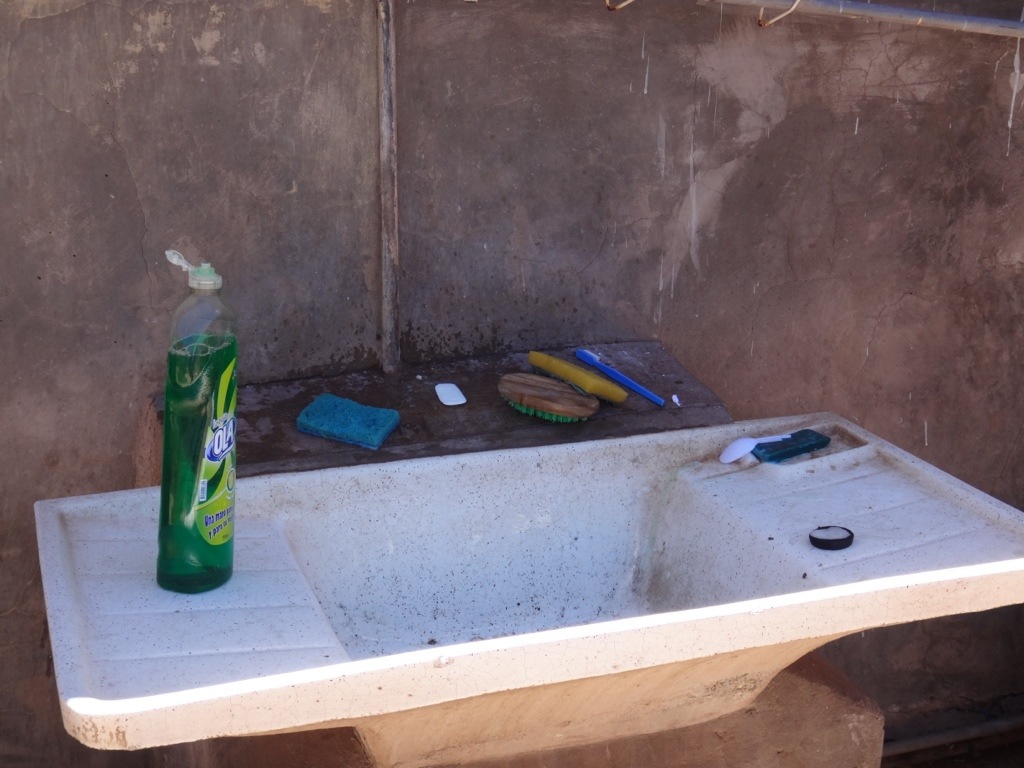
Another spot where we washed clothes 🙂
Water Wells!
The focus of our construction work was digging water wells for 4 families. Prior to Samaritan’s Purse putting in these wells, the families had no clean water source and were drinking from streams that were often contaminated. The water is particularly toxic to infants who don’t have built up immunity so Samaritan’s Purse selected families with small children to serve.
So… how do you dig a well?
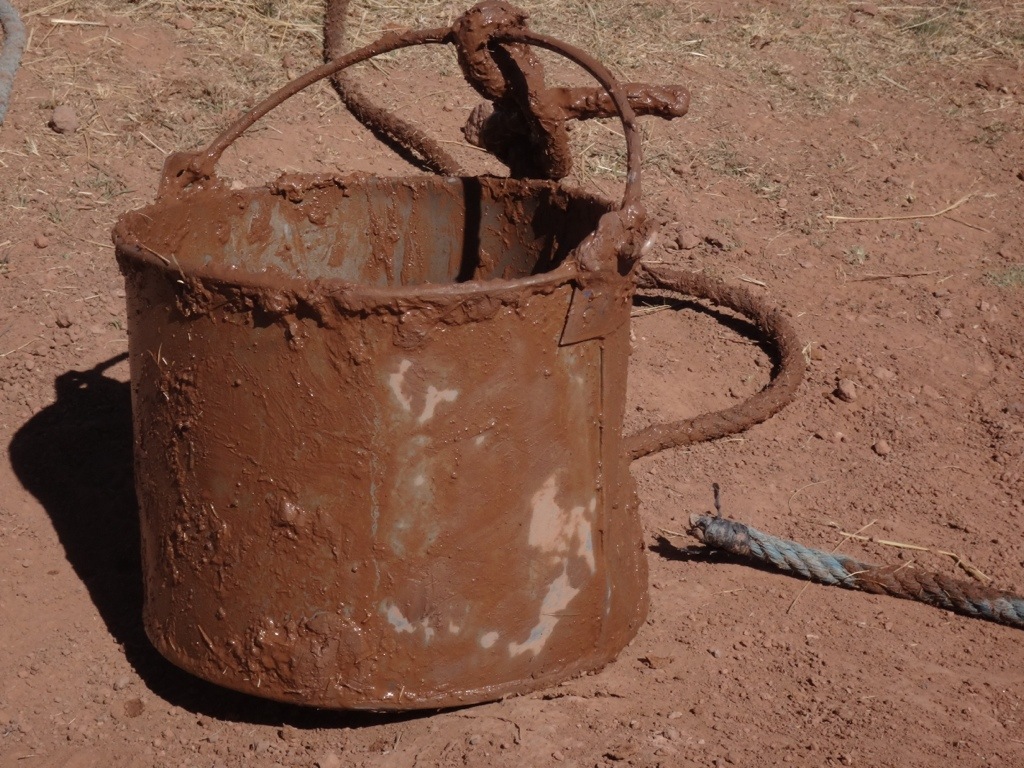
On the first day we were both surprised to see that the water well was entirely dug by hand! The wells were often around 30-40 feet deep, and the wells were literally dug out with shovels, picks, and buckets.
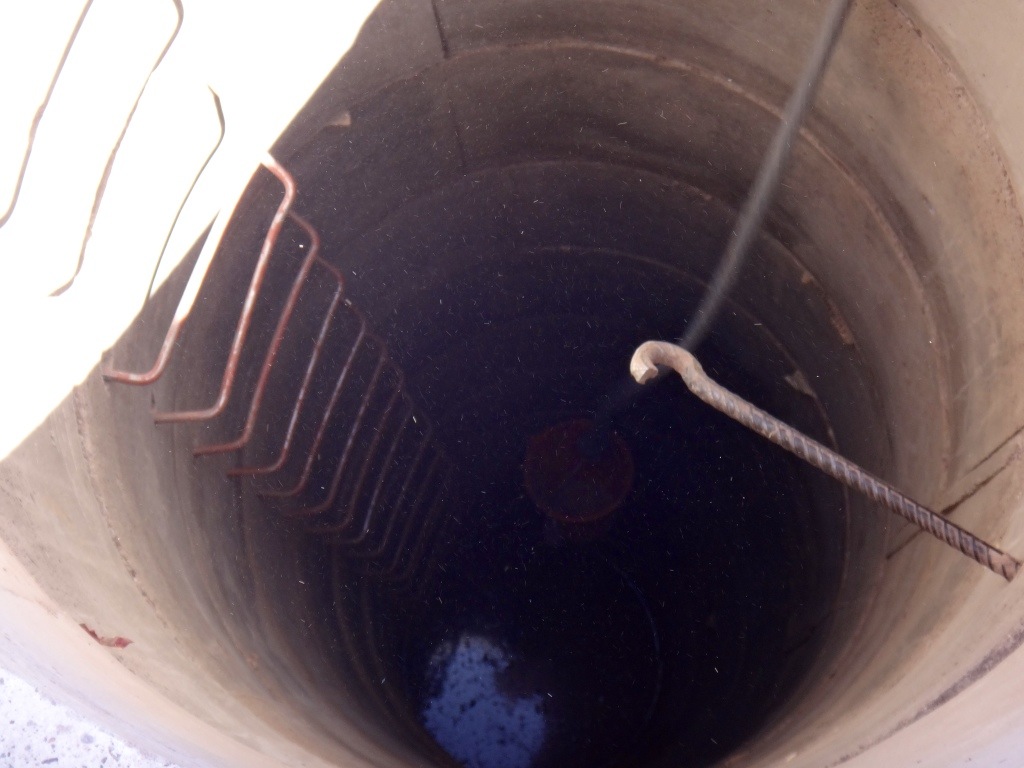
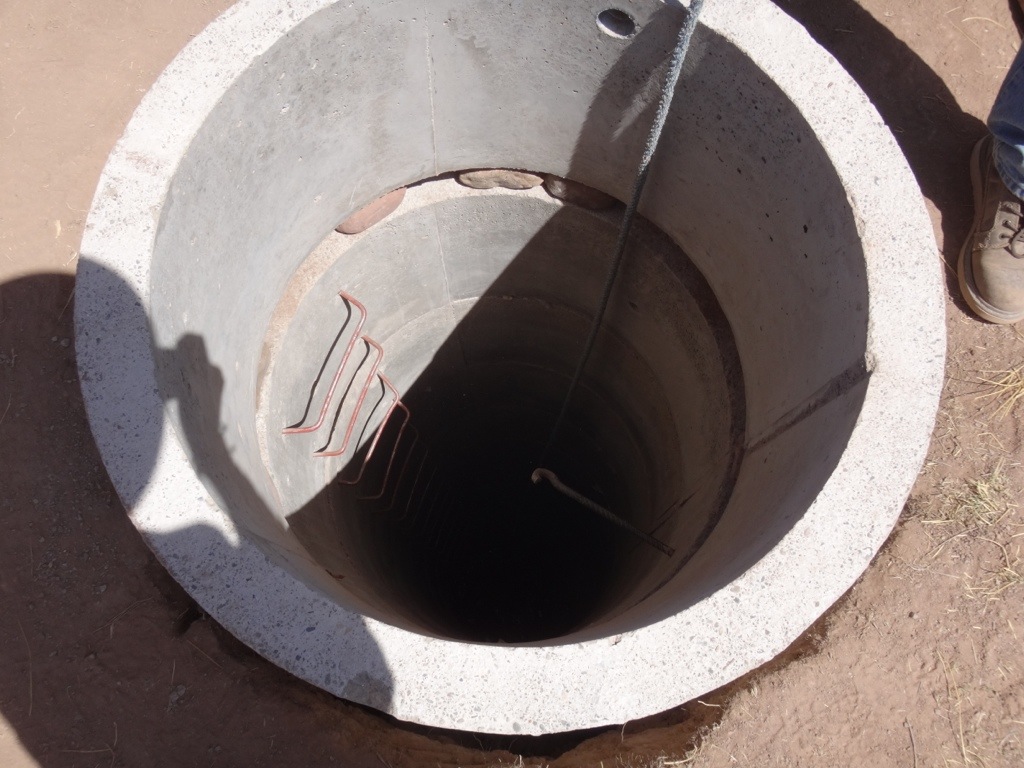
The neat part is that the family has to commit to helping dig the well, which helps ensure they are vested in the project and exposed to the work of Samaritan’s Purse.
Our team of volunteers were spread out over 4 different wells and worked right alongside the families with the digging. Some of our team actually went into the wells to dig, which was quite a task since you only had a rope to get in/out of the well! Emily and I spent much of our time working bucket duty. We lowered bucket after bucket (mas baldes! in Spanish) down to the person digging and then hauled up the mud by hand. Many of the buckets were around 50 pounds so we definitely got a workout!
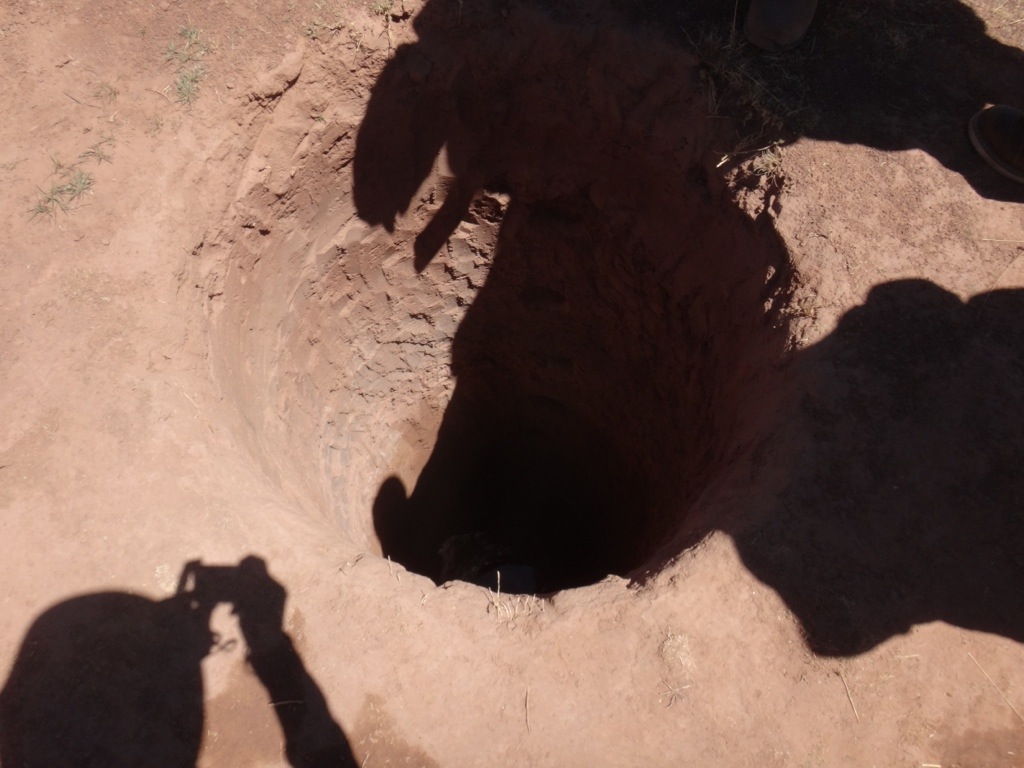
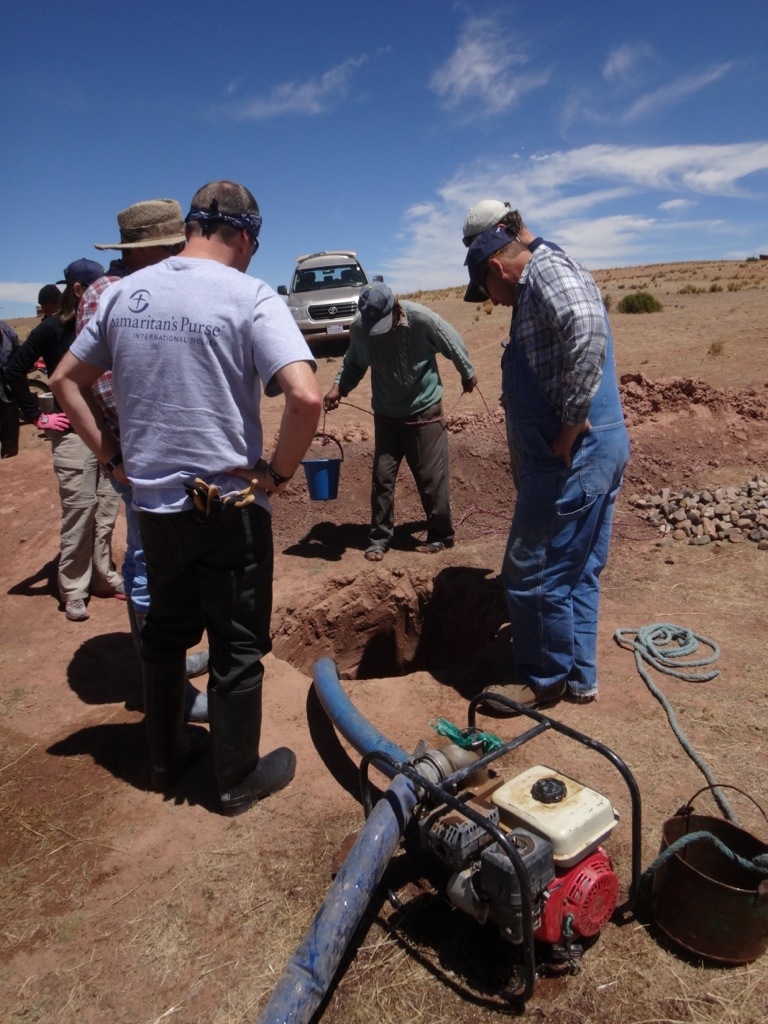
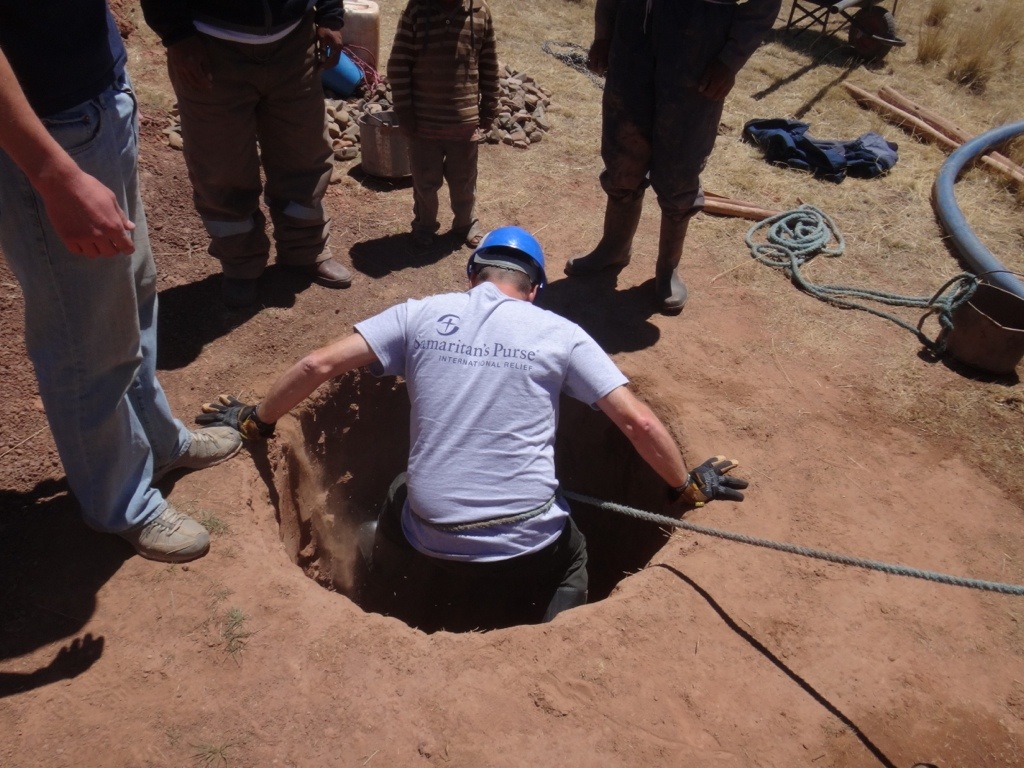
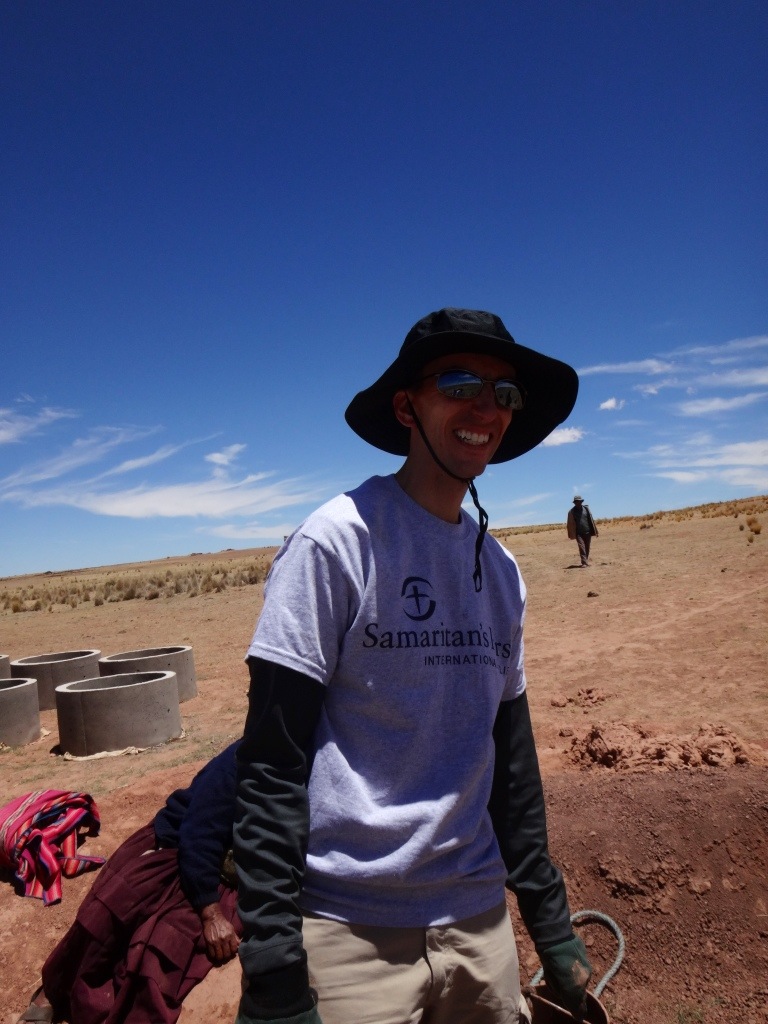

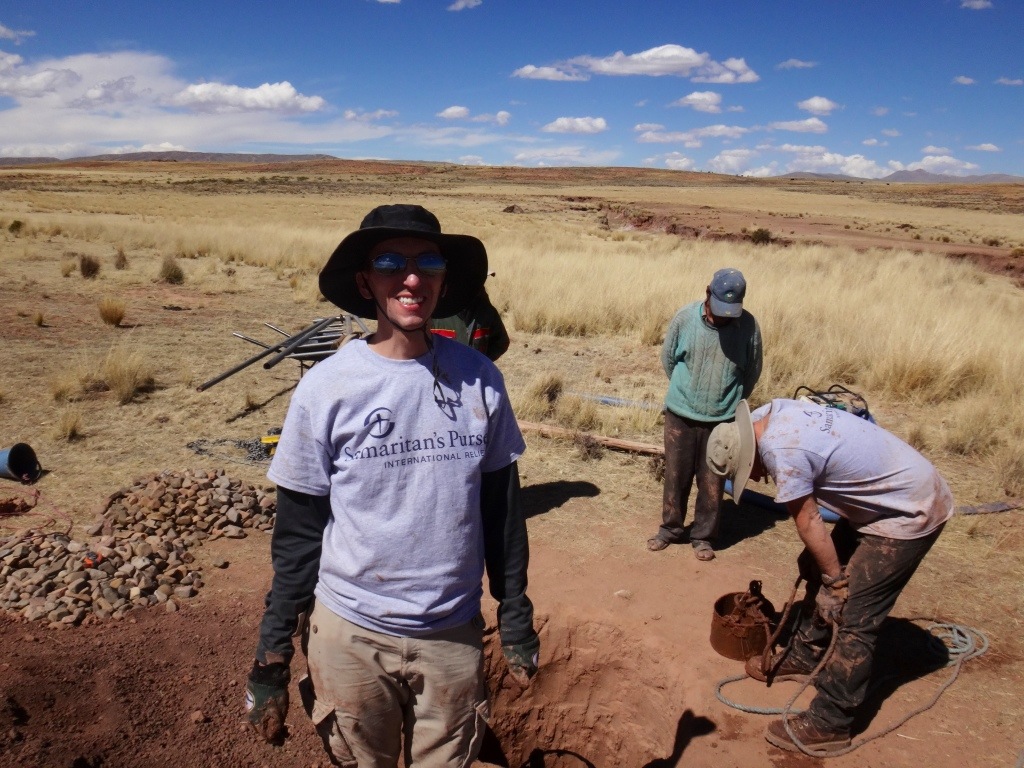
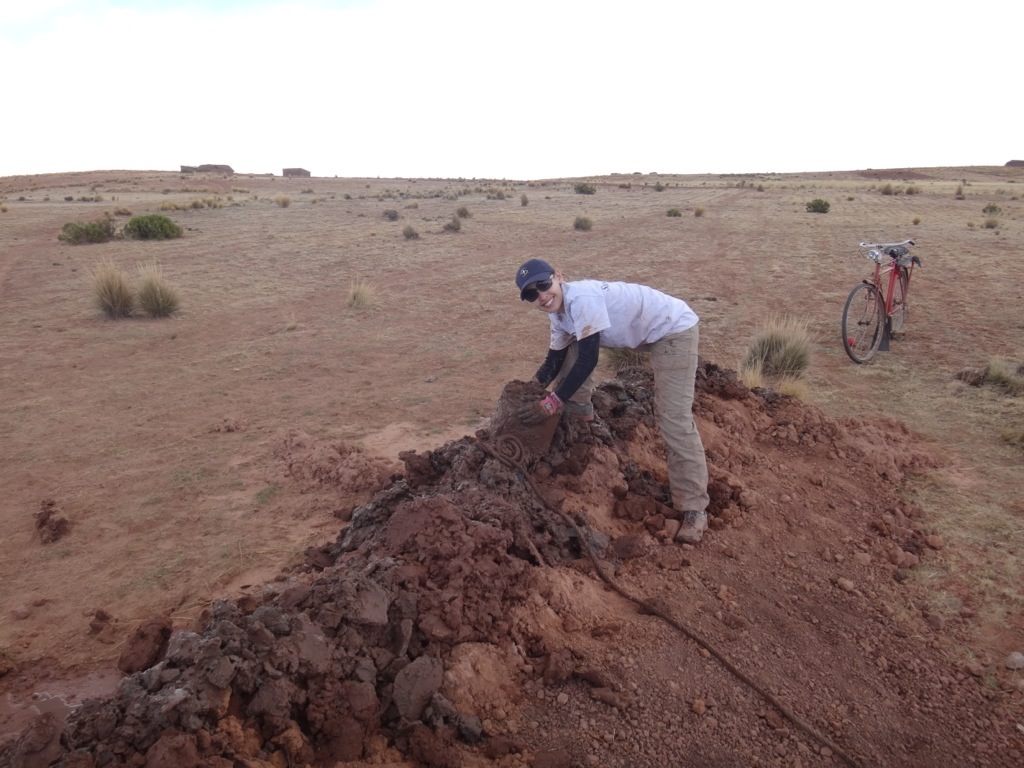
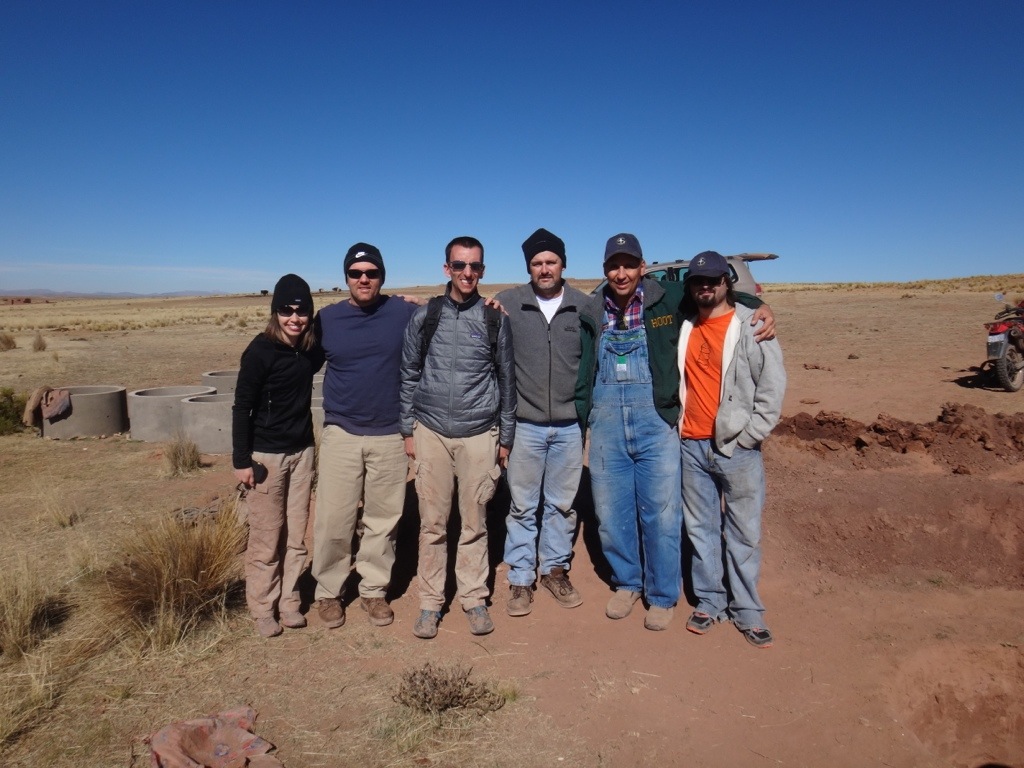
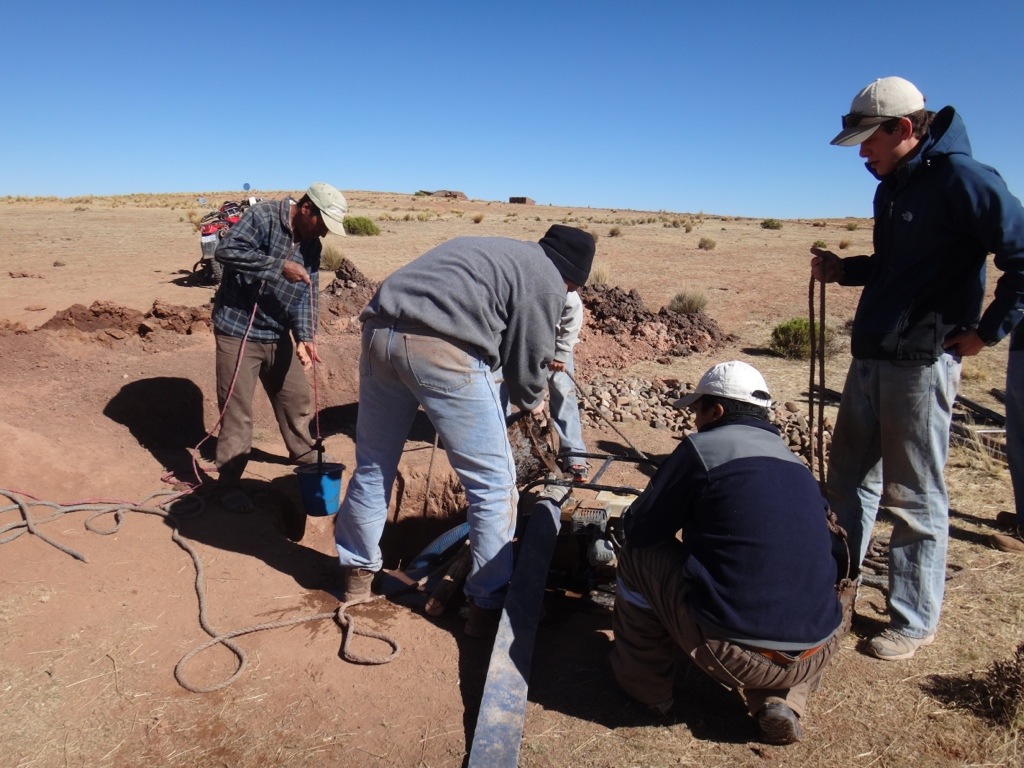

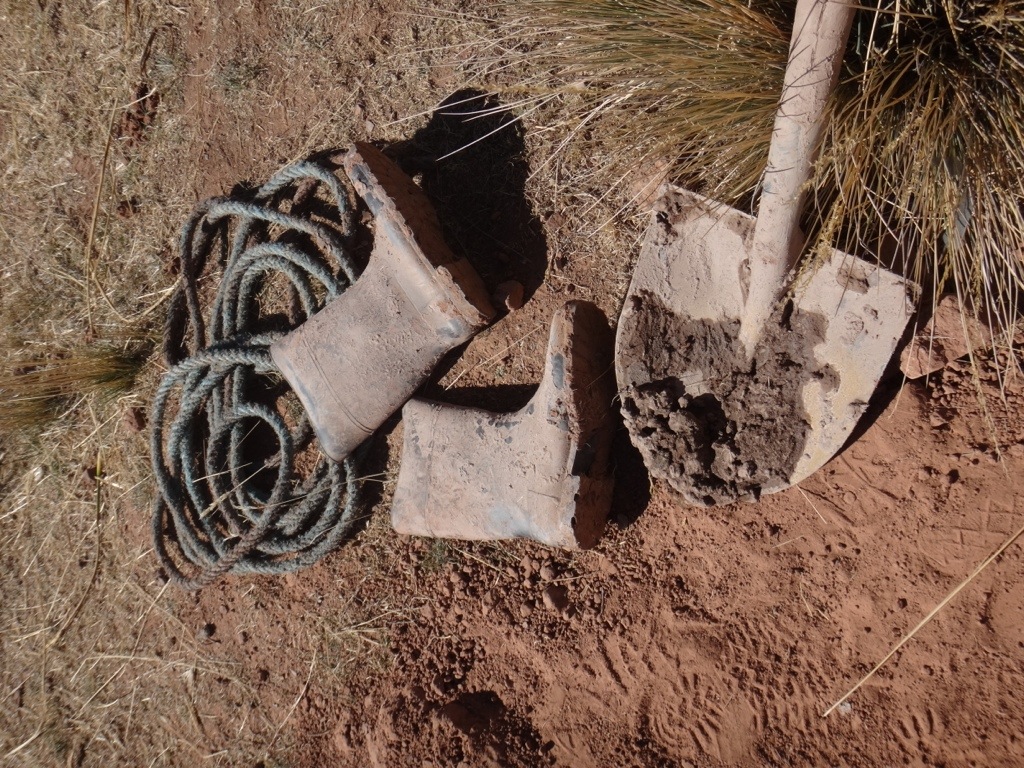
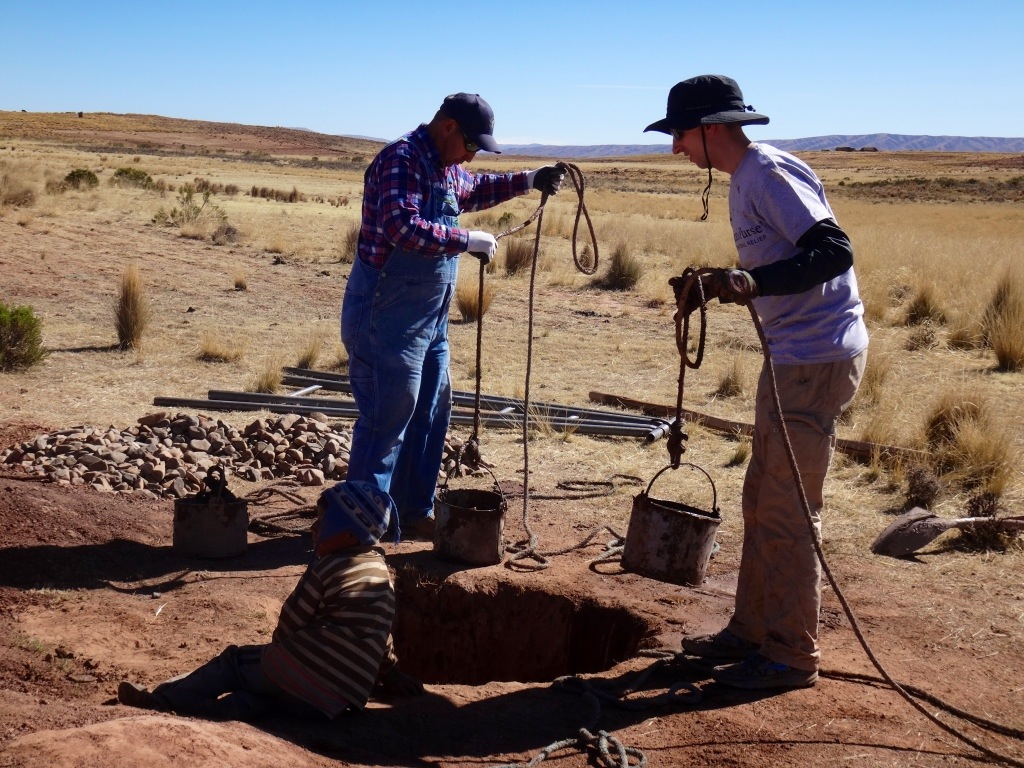
Much of the actual digging was also done by the families and friends of the family. We were amazed at how long several of the people could dig! One man spent 4 hours digging! Those of us from the US were all panting from the higher elevation!
Emily and I also had a great time interacting with several of the children. Samaritan’s Purse focuses on relationships with the families in addition to digging the wells. I spent two days at the same well and spent a lot of time playing soccer with two children, and Emily spent a lot of time playing volleyball with one of the girls at another site.
After the Digging + Concrete Rings
Once the well was 6 feet below the water table, the digging was finished! At this point our work changed to putting in concrete rings. Emily actually had the opportunity to help build the concerte rings on a 5th well site on one of the days. Samaritan’s Purse provides the families use of concrete molds, steel rebar, and concrete mix to help make the rings. Building the concrete rings is actually a very early phase of the well (before digging) so that the concrete has time to cure. If you ever need to help making concrete rings, Emily is now experienced!

These concrete rings lined the well so that clean water could seep into the reseviour and allow for continual fresh water. Samaritan’s Purse had a pulley system on a metal stand so we all worked together to lower in the rings. This was an exciting time as this meant the well was almost done! After each ring was lowered, someone went into the well to straighten the ring, cement the seams, and place rocks outside of the concrete to act as a filter for the water.
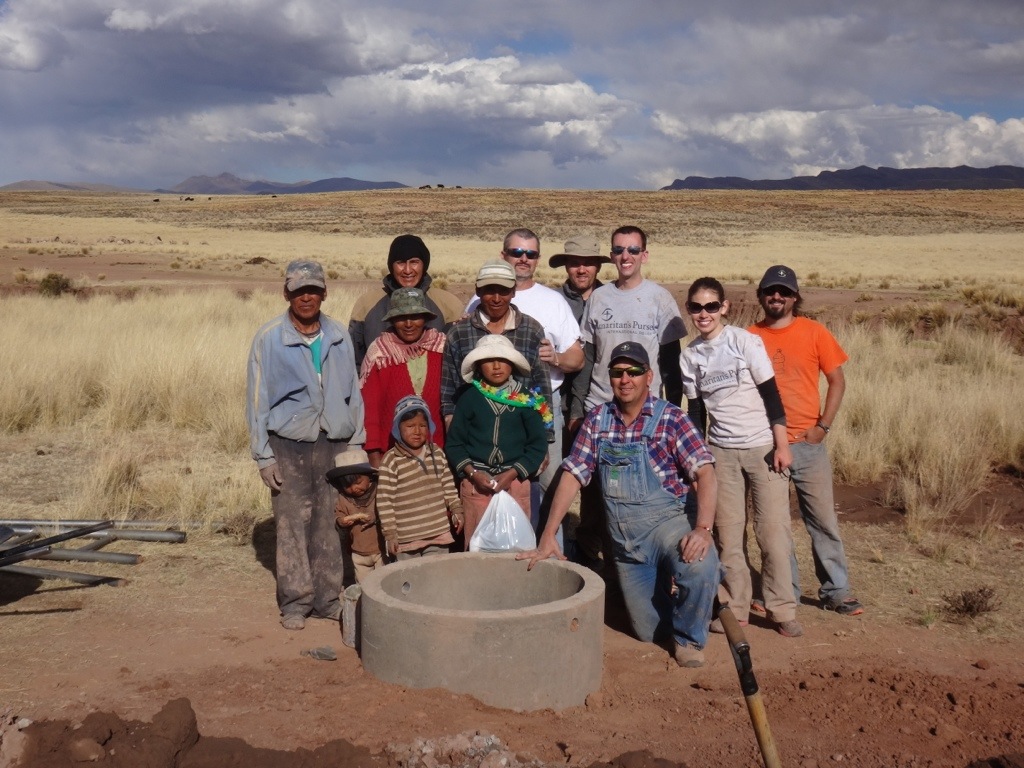
Seeing the joy on the families’ faces when the last ring went in was absolutely incredible! Although many of the families were very poor (earning < $2 per day), many had food because they were farmers. The major outage for these families was clean water. They were so incredibly grateful!
Family after last well ring was placed!
Other Activities
In addition to digging water wells, there were several other events. Here is a quick recap:
– Youth Activities: One night our group helped with a local youth activity, and several members of our group gave gifts to the children. On Friday we had the chance to meet with local students and play games. One member of our team brought balloons which were a huge hit!
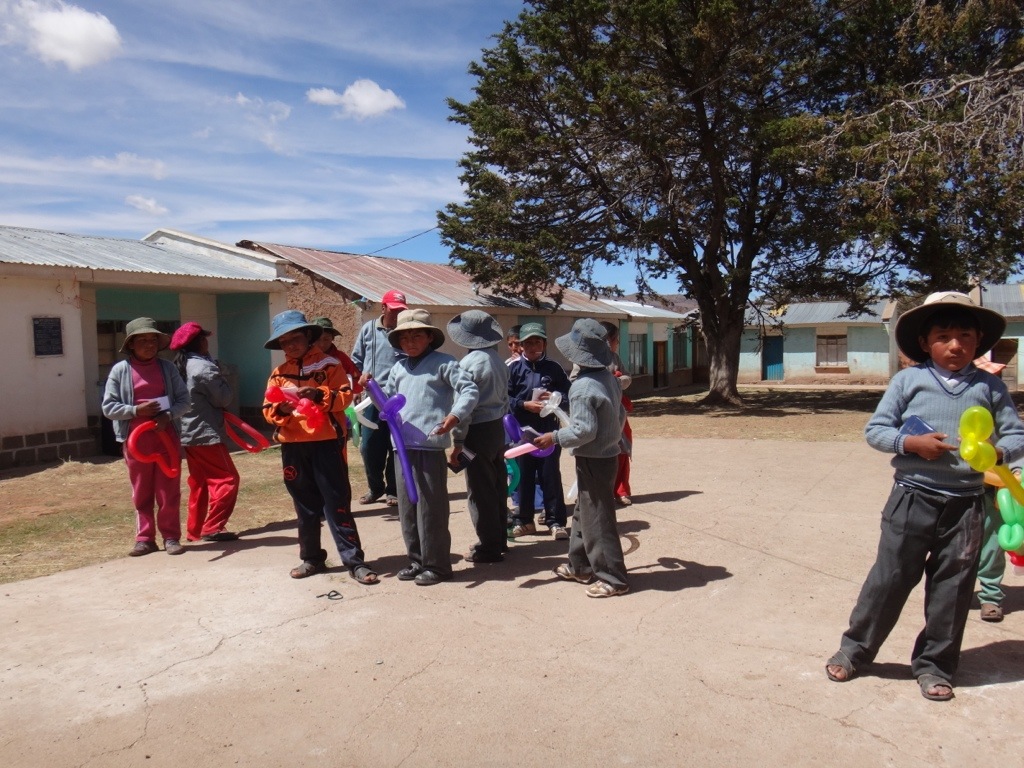
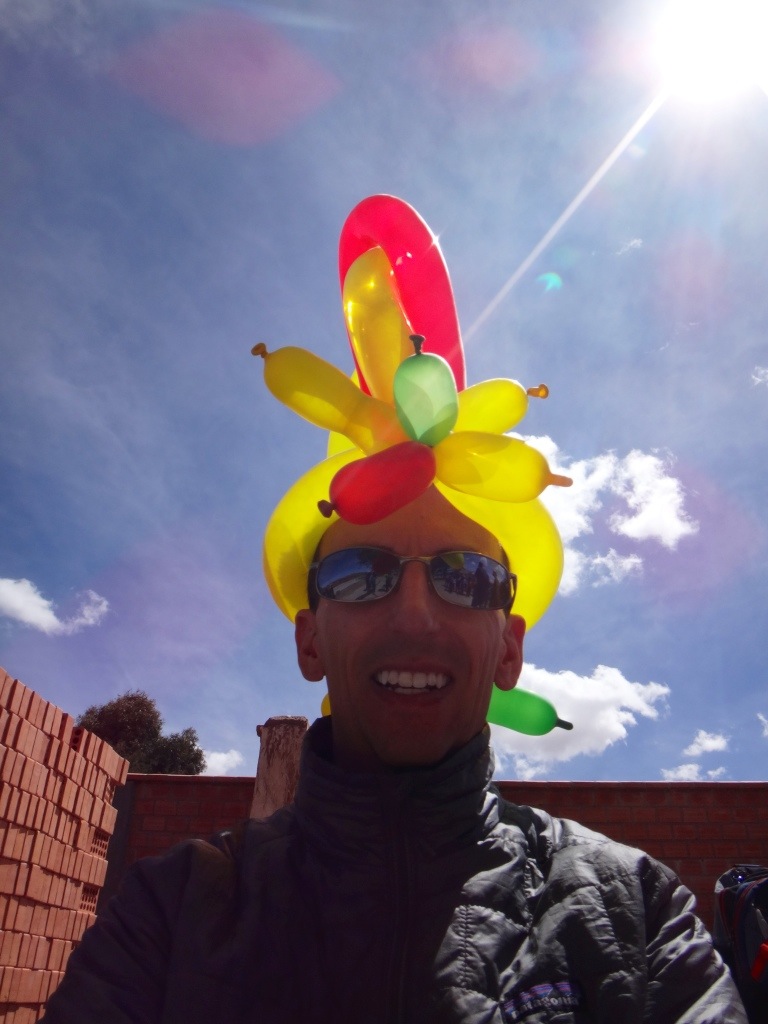
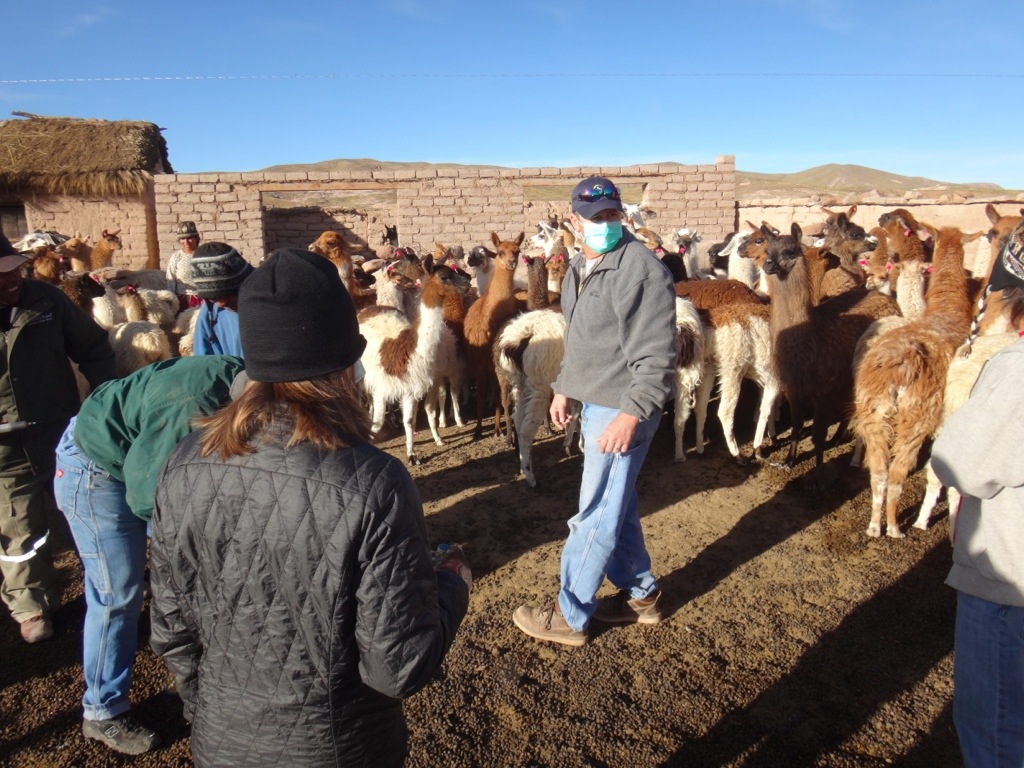
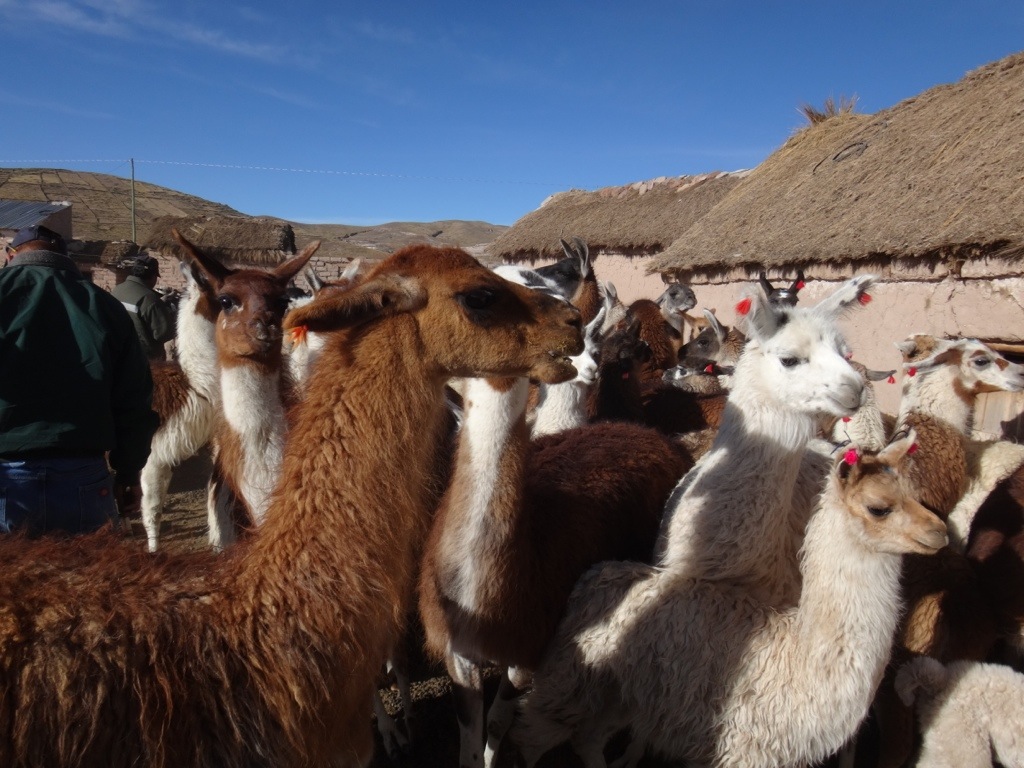
– Llamas: On Friday, our group helped for a short time with Samaritan’s Purse’s Agricultural Program. This program helps to provide livestock, parasite treatments, and veterinarian education to local farmers. Our job was to help with vaccinations. I am not a big fan of animals so Emily and I were assigned the job of marking the heads of the llamas that had received the vaccination treatments. 🙂

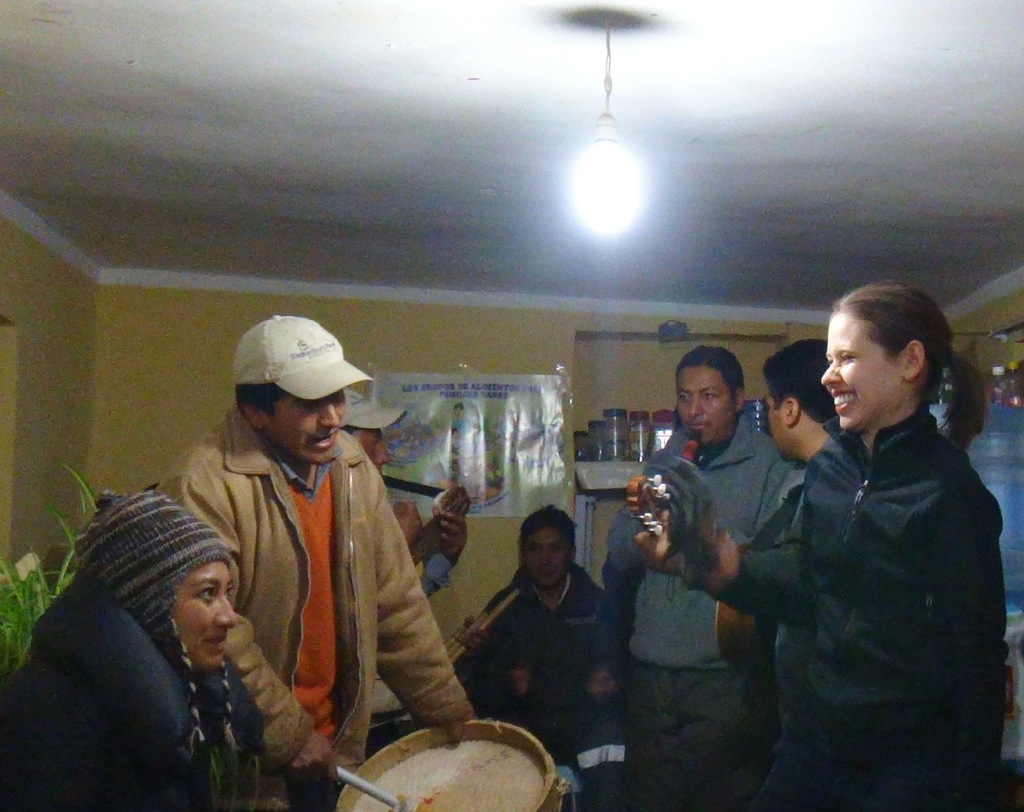
– Music!: Wednesday night the local staff of Samaritan’s Purse shared their music with us. It was a wonderful evening! They even let us join in – I got to try my hand at the drums, and Emily played a tambourine that was made of sheep toenails!! (Mrs. K – Have you played sheep toenails before??)

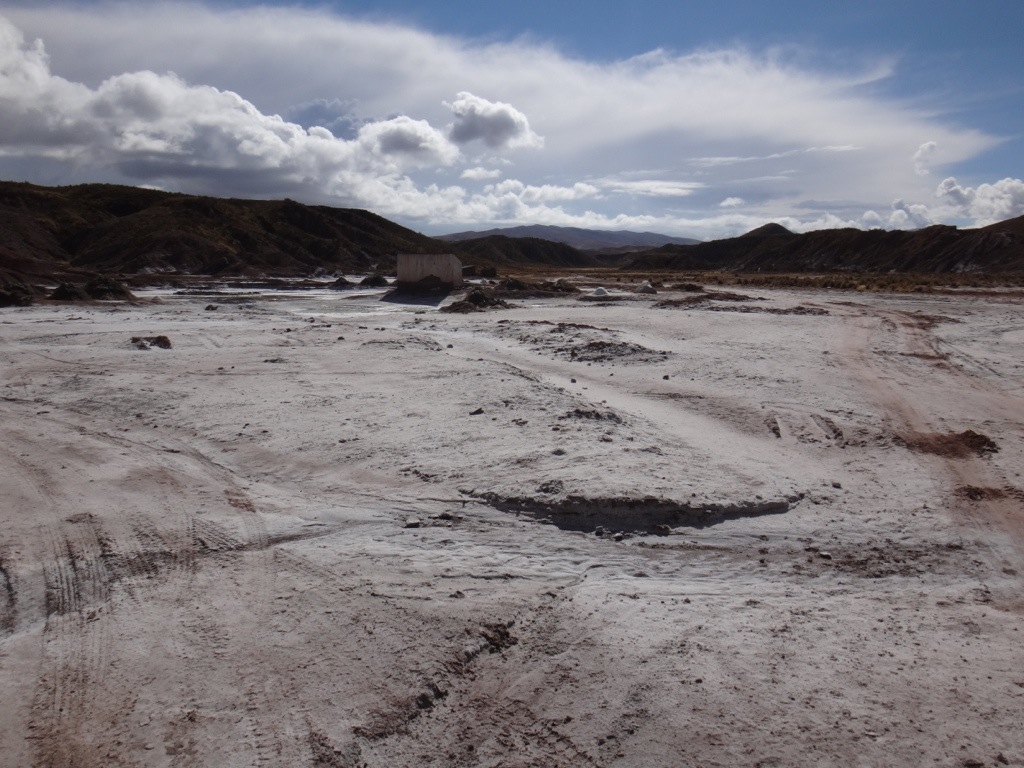
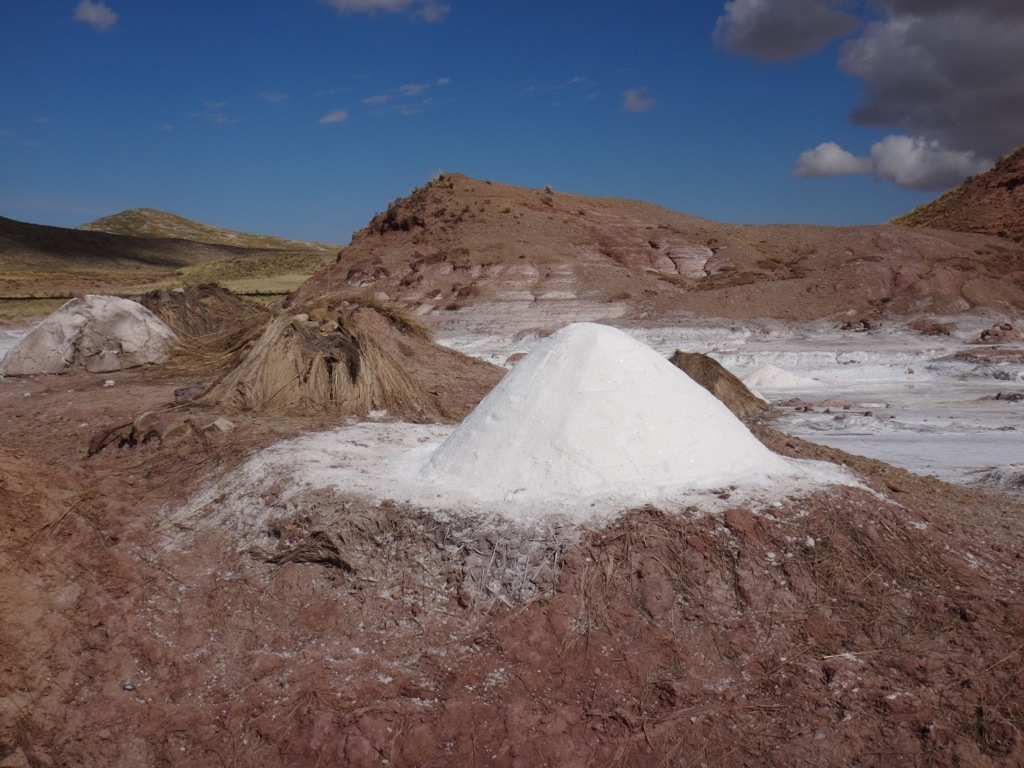
– Salt Mine: The altiplano region has lots of salt so one day on the well we stopped by to visit a local salt mine. It was interesting! You’ll notice in these pictures that the clouds seem really close to the ground. This happens when you’re at 13,000 feet!

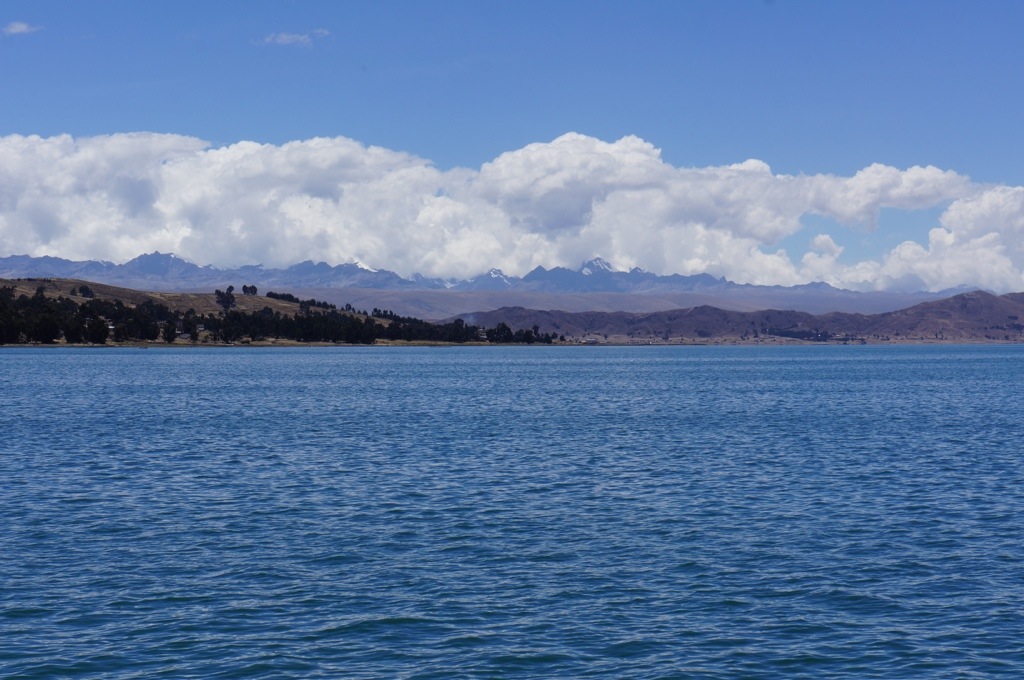
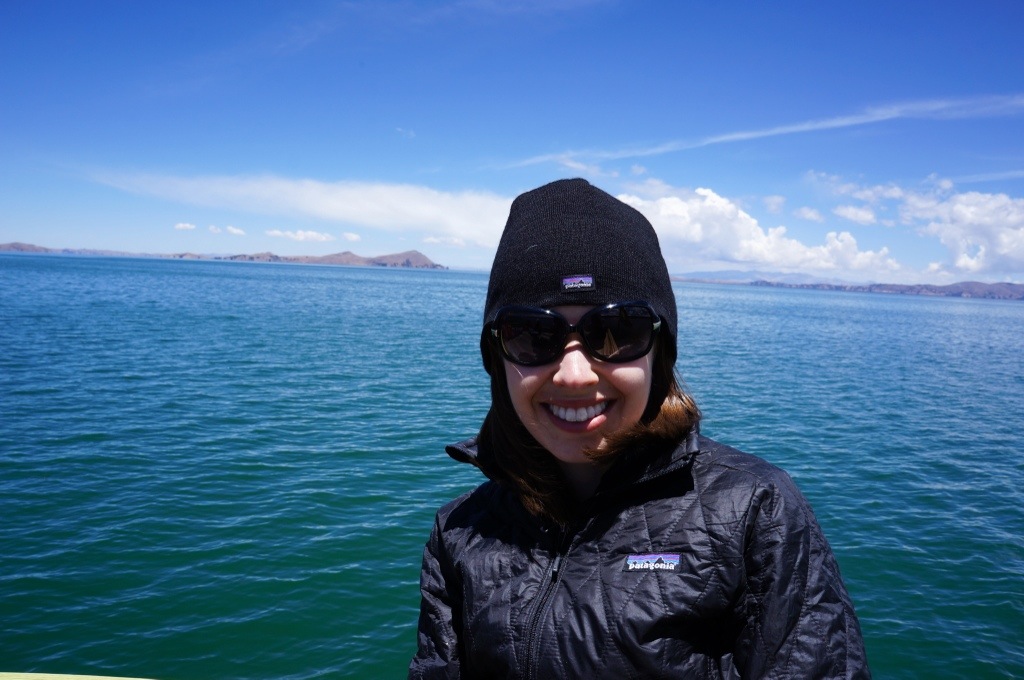
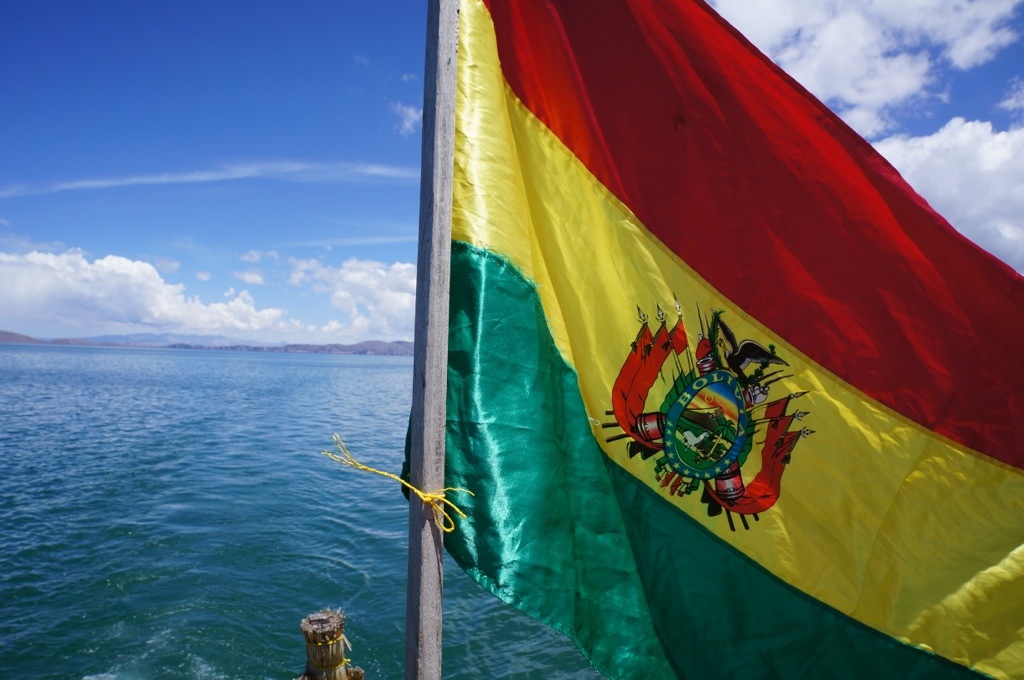
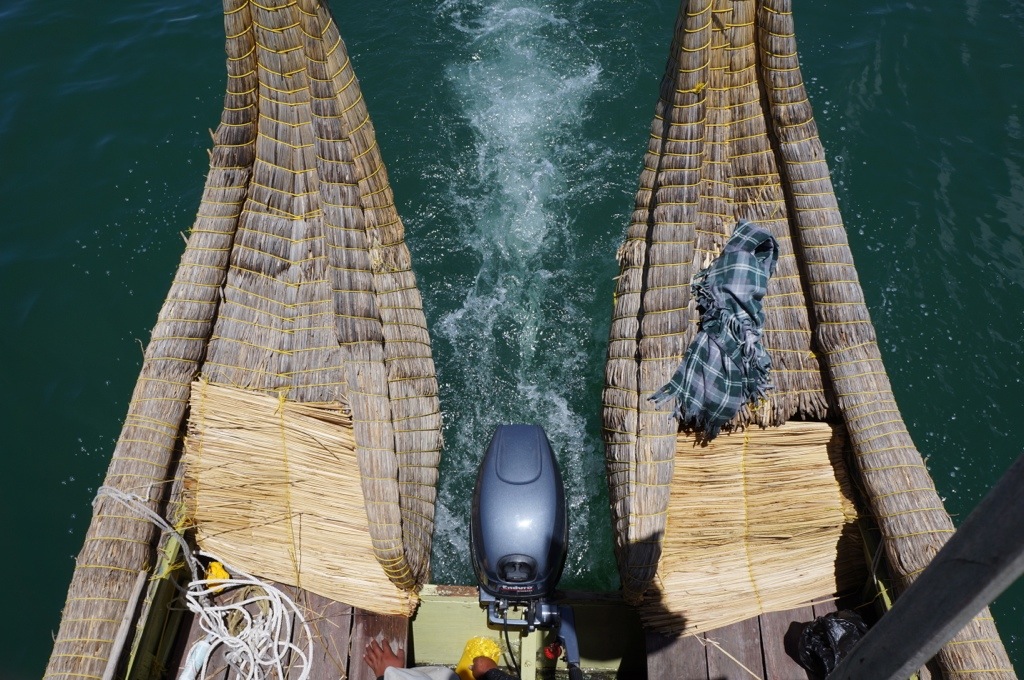
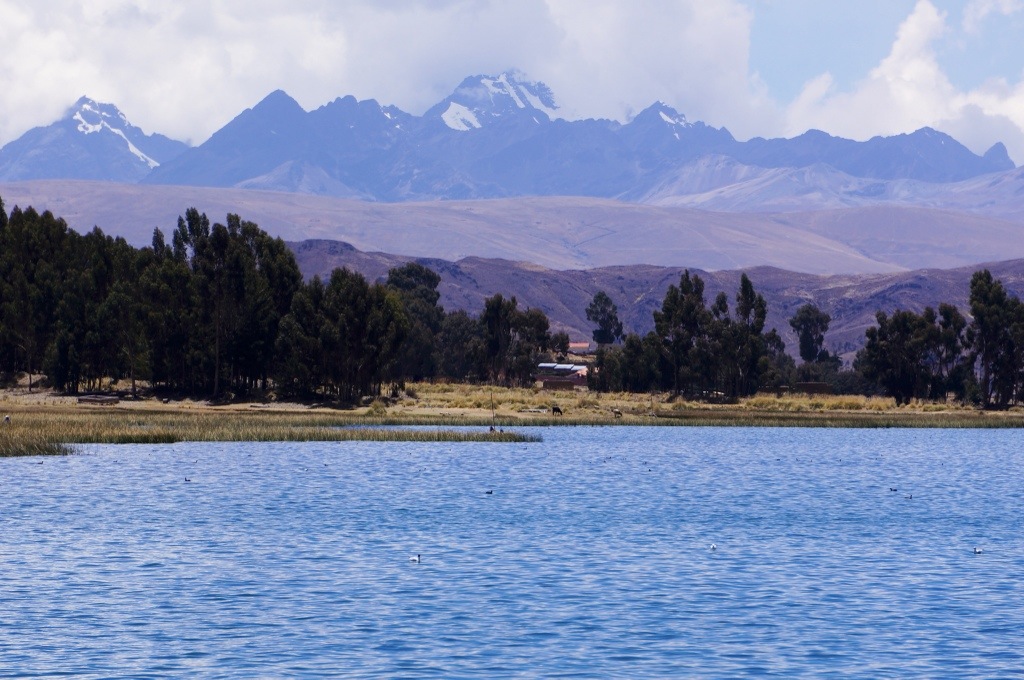
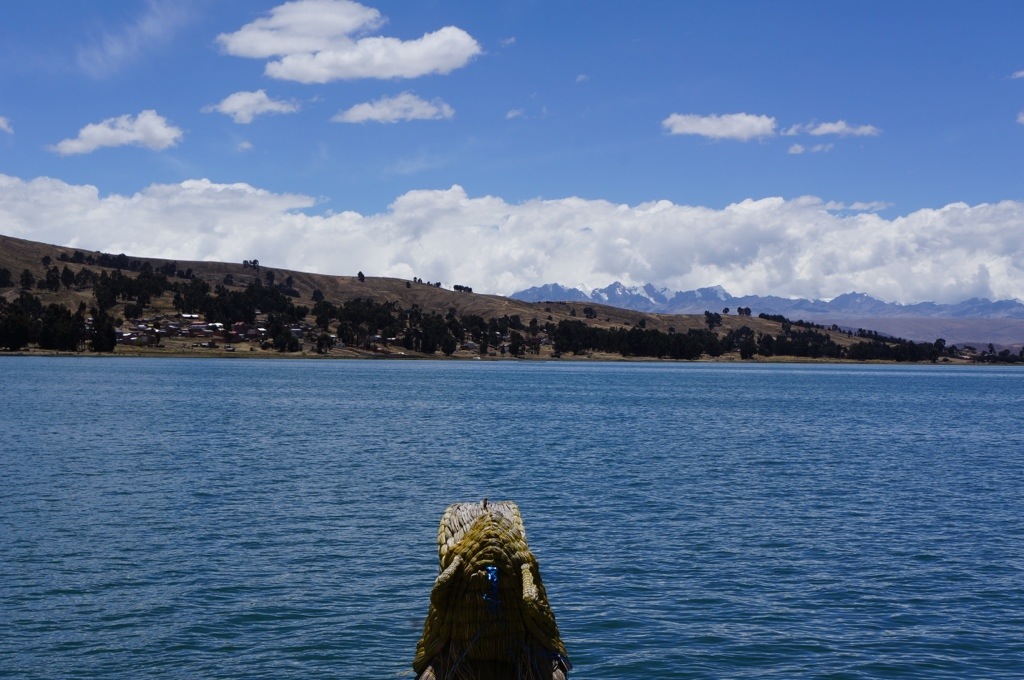
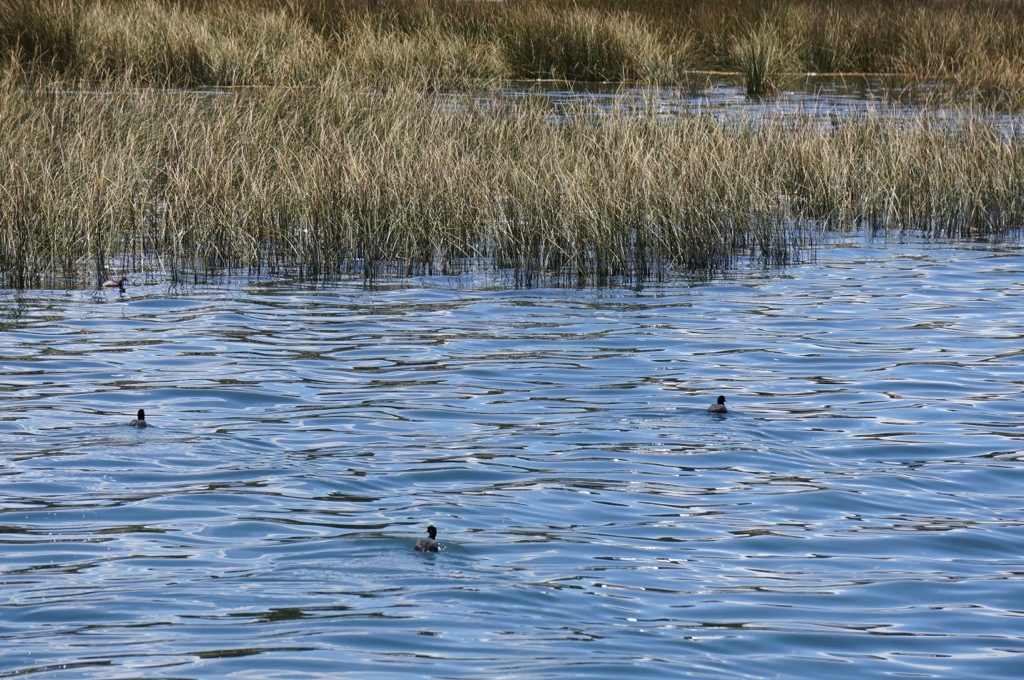
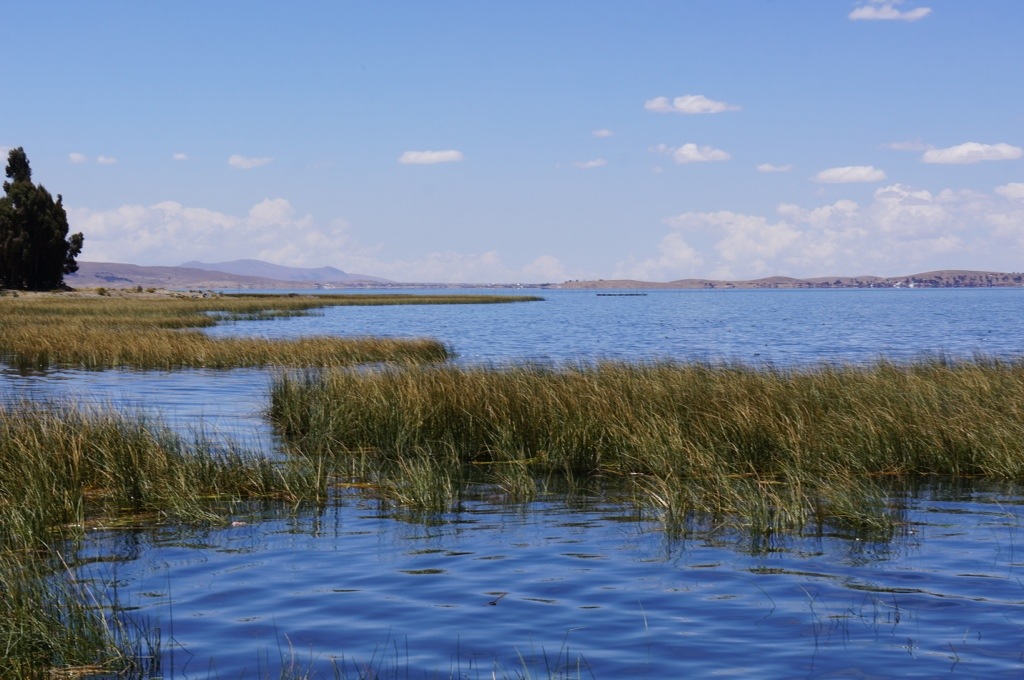
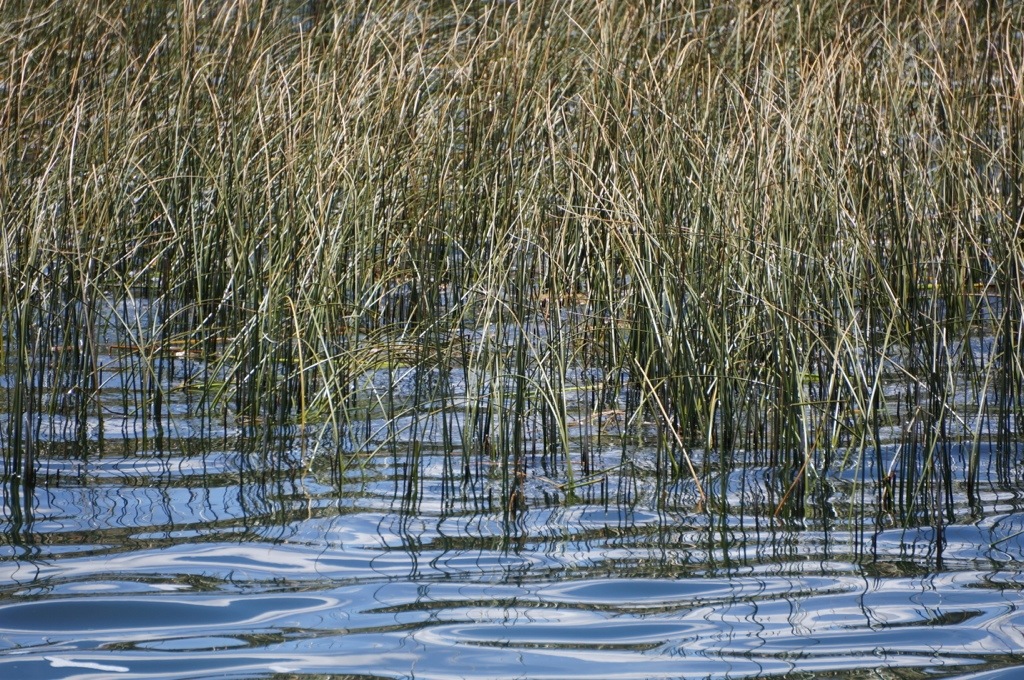
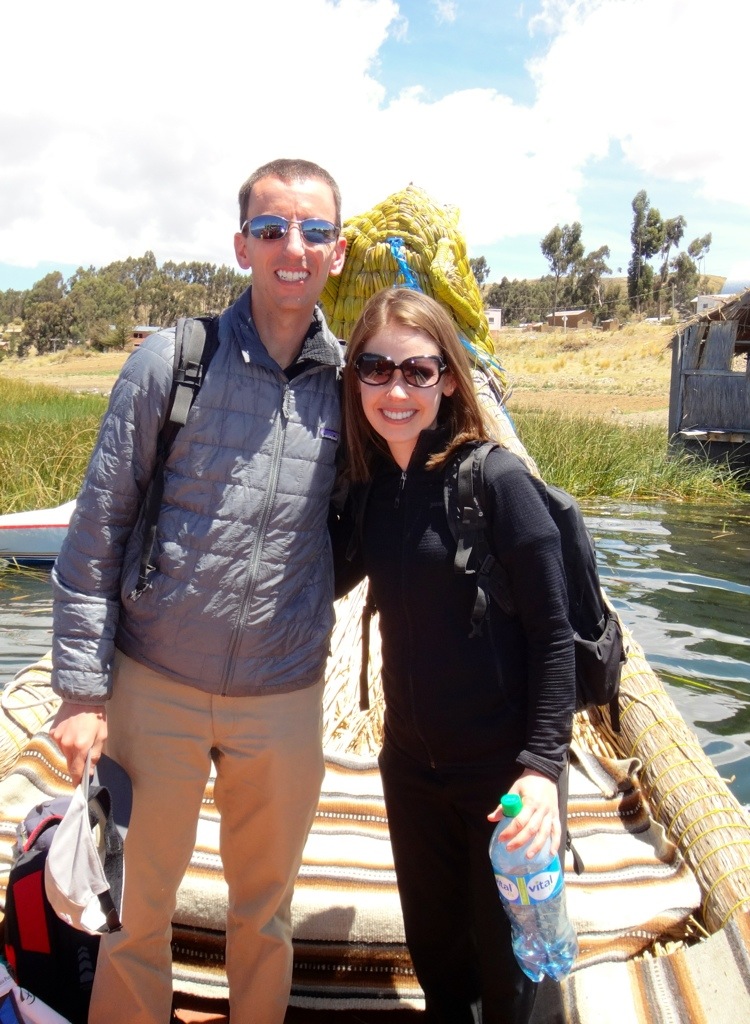
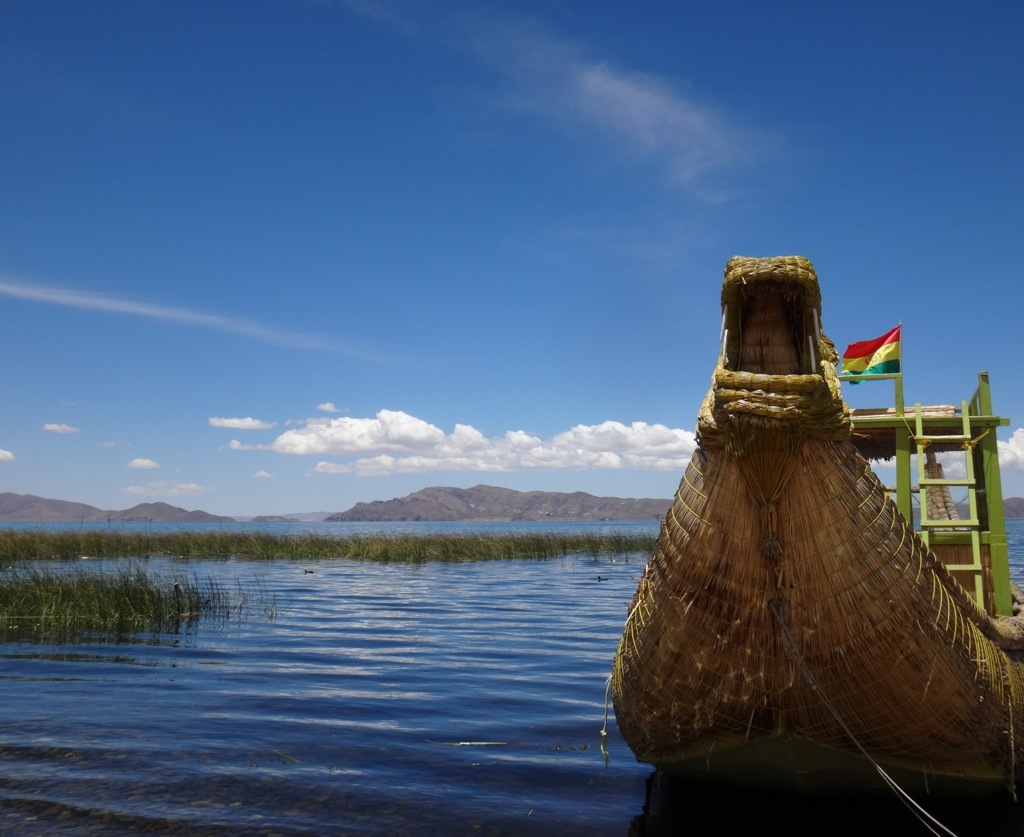
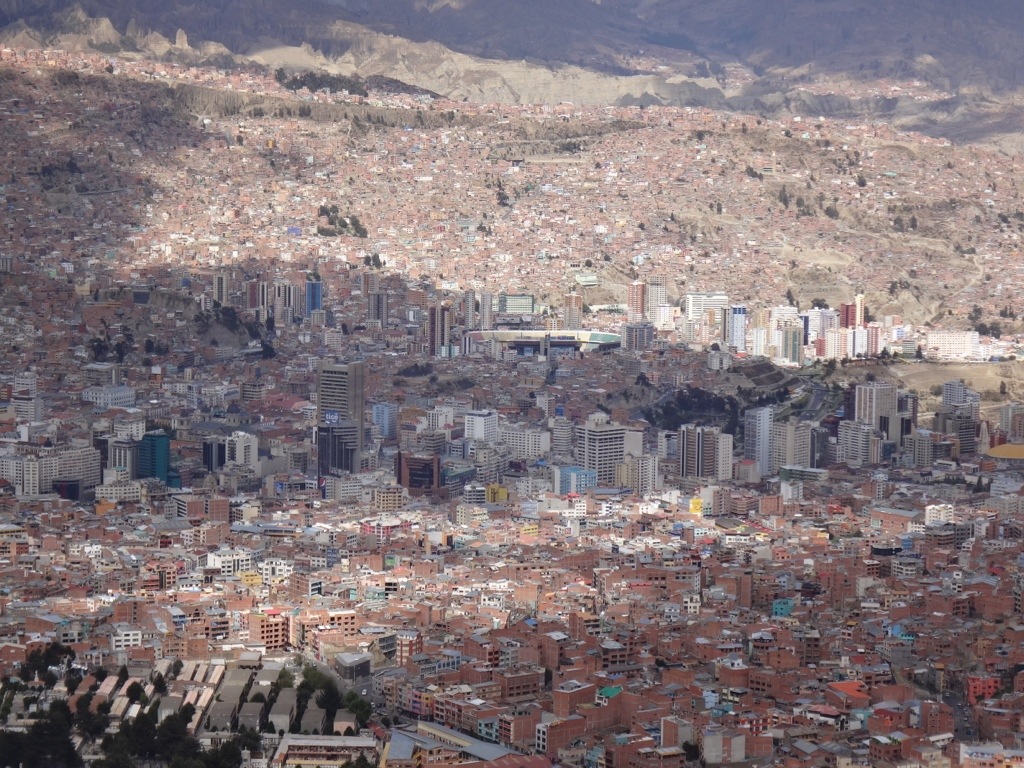
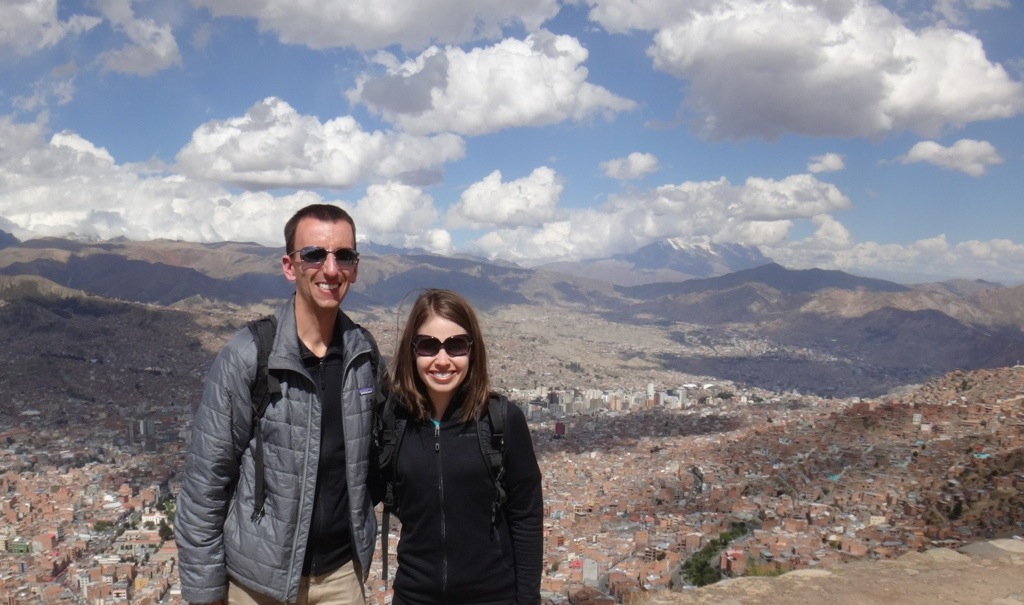
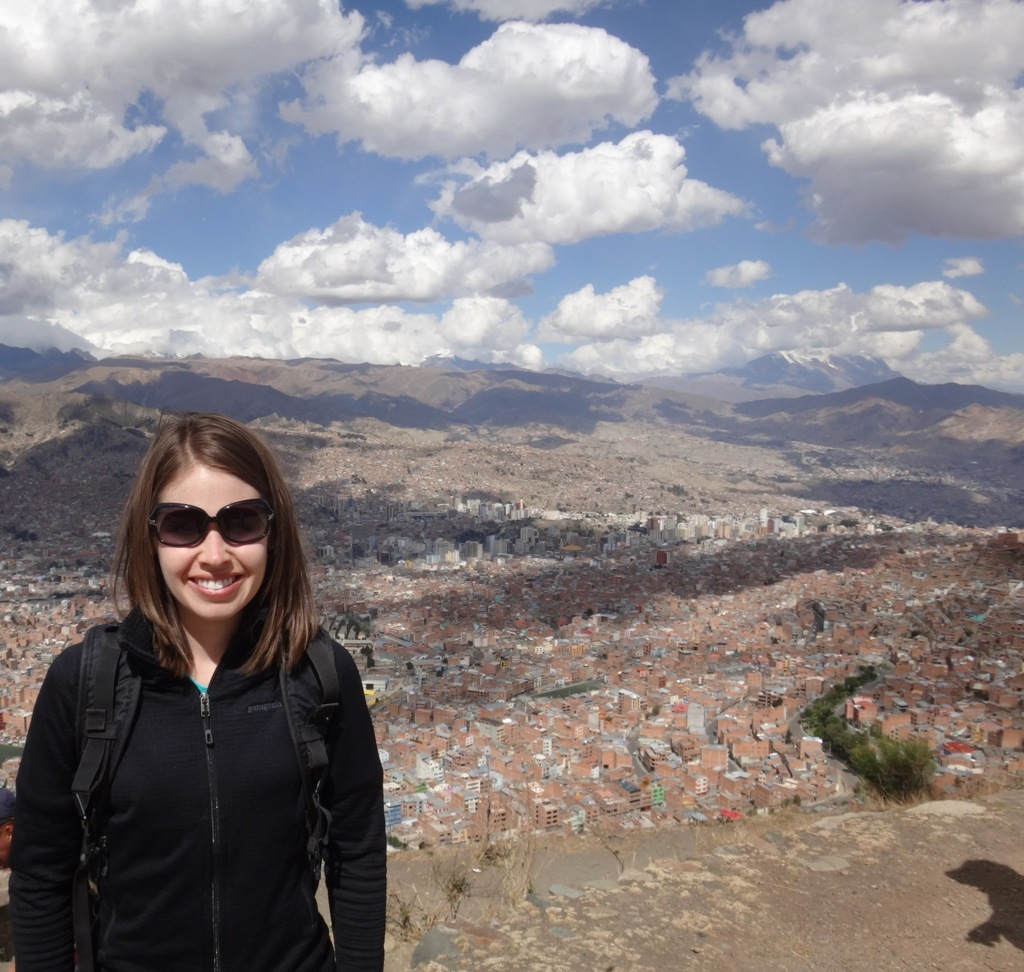
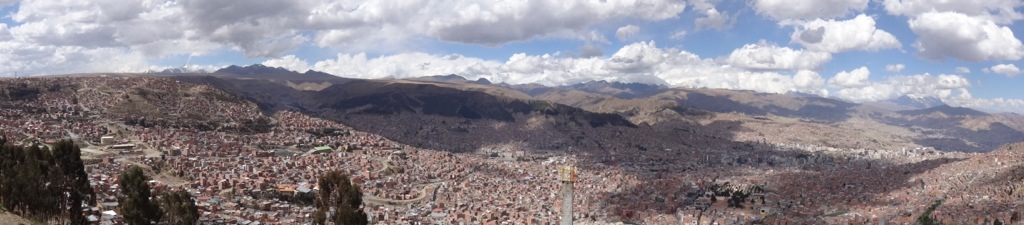
– Lake Titicaca & City Overlook: After returning from the field, we spent our last day in Bolivia doing a fun excursion to Lake Titicaca, the highest navigable lake in the world. The lake is also known for the reeds that grow on its shores (which we happened to also see on Easter Island – the only other place our guide said you could see them!). We got to see reed boats being made and took a boat ride out on the lake in one (although… the captain used a motor vs. rowing! ;))
Favorite Memories:
– Seeing the faces of the families who received a well for the first time
– Getting to see the staff at Samaritan’s Purse in action. We were absolutely blown away by the humility, kindness, love of people, and passion for Samaritan Purse’s mission that each of these people showed.
We’re almost back to reality! We will spend one day in Lima, Peru, on our way home. We’ll be back to work by Tuesday!
Adios for now!
 Ryan & Emily - The Globetrotters
Great job! I’m happy to think of people finally getting clean water.
Thanks! It was really awesome to meet and work with the people. They were so excited to have fresh water to feed their family!