Stop 11: Barcelona

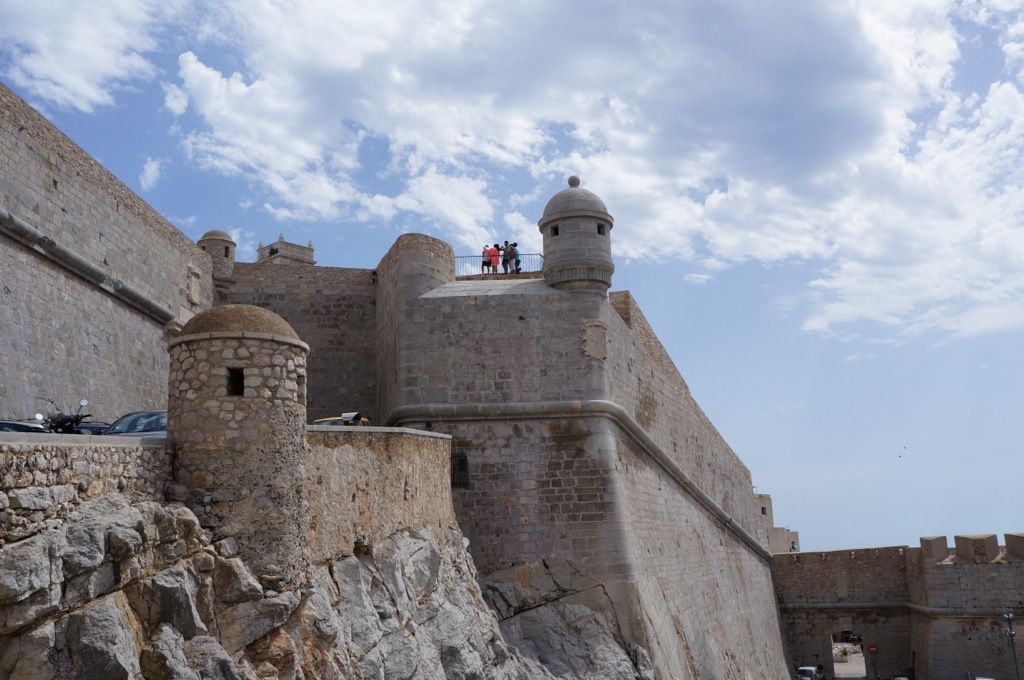
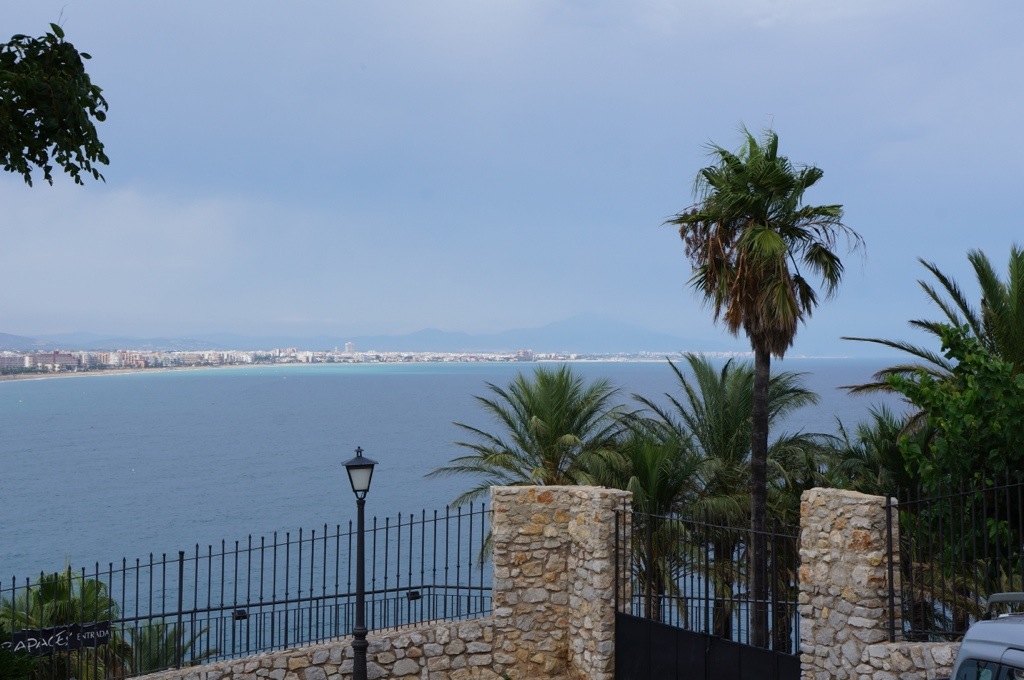
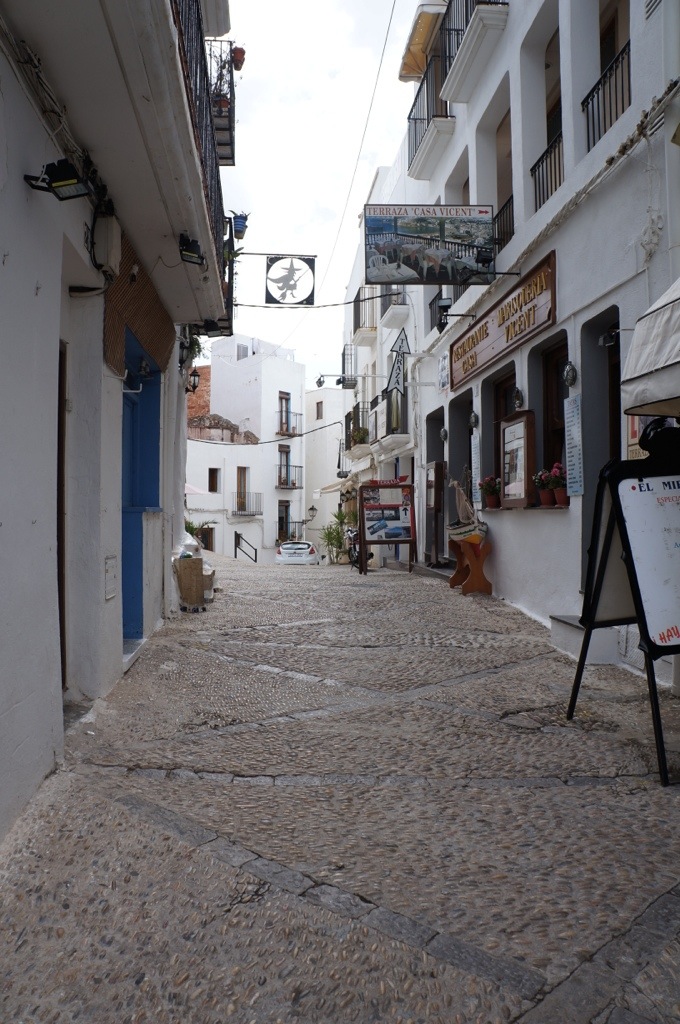
After leaving Granada, we made our way to Barcelona which is about a 7 hour drive. We broke up the drive with a fun stop in a sea town called Peniscola, Spain. It was a neat area with a walled city on a bluff overlooking a peninsula with beaches on both sides. We had a fantastic lunch of seafood paella and calamari. Delicious!
20130811-172028.jpg

20130811-172021.jpg

20130811-172133.jpg

20130811-172411.jpg

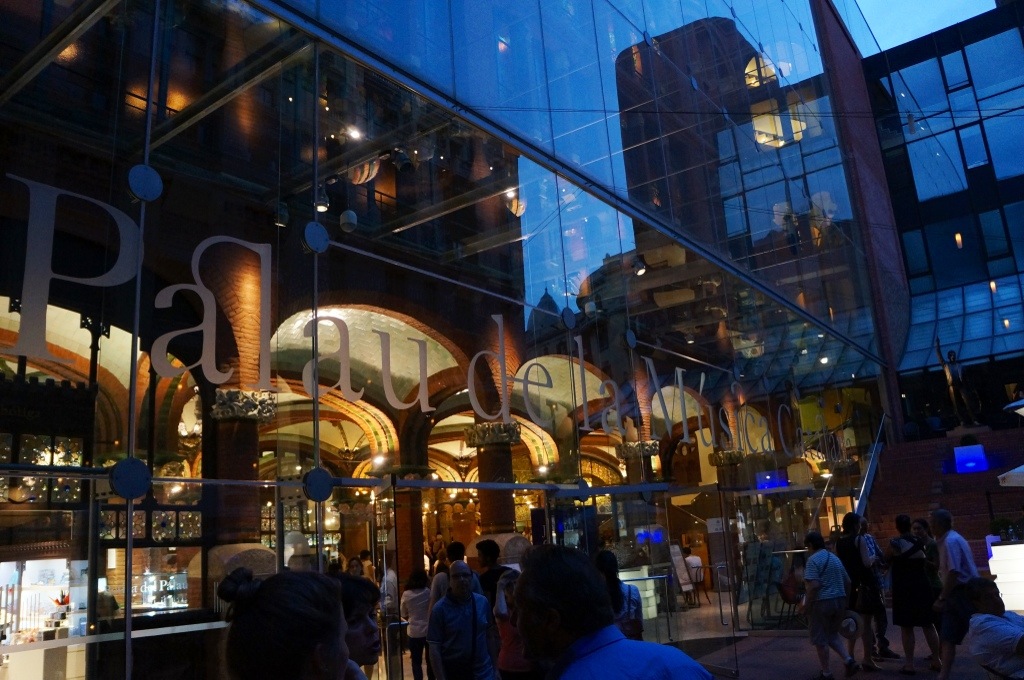
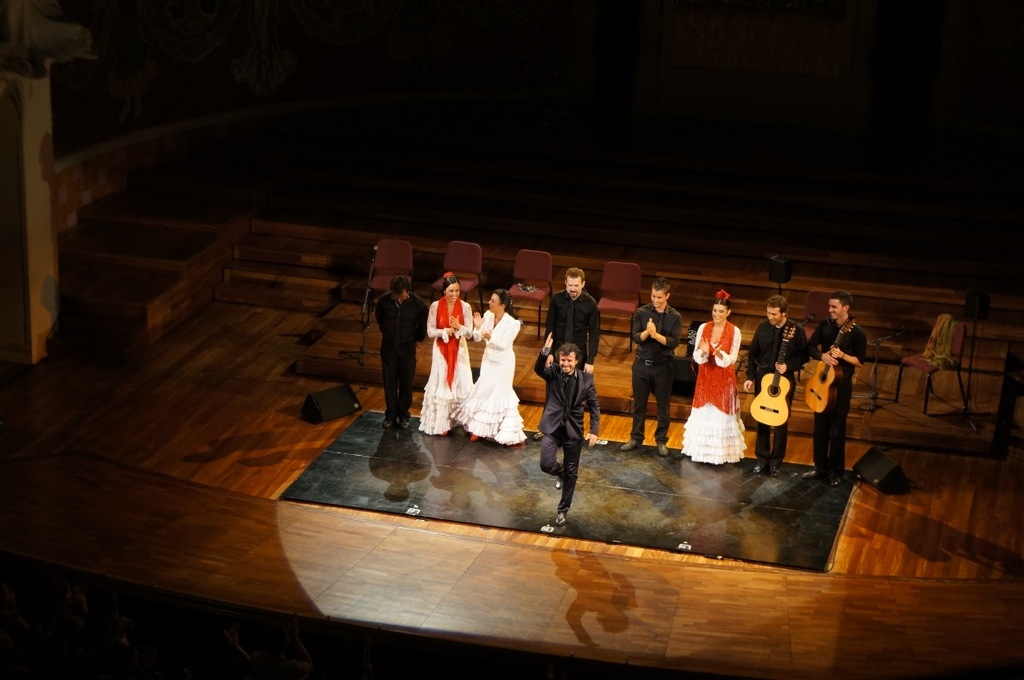
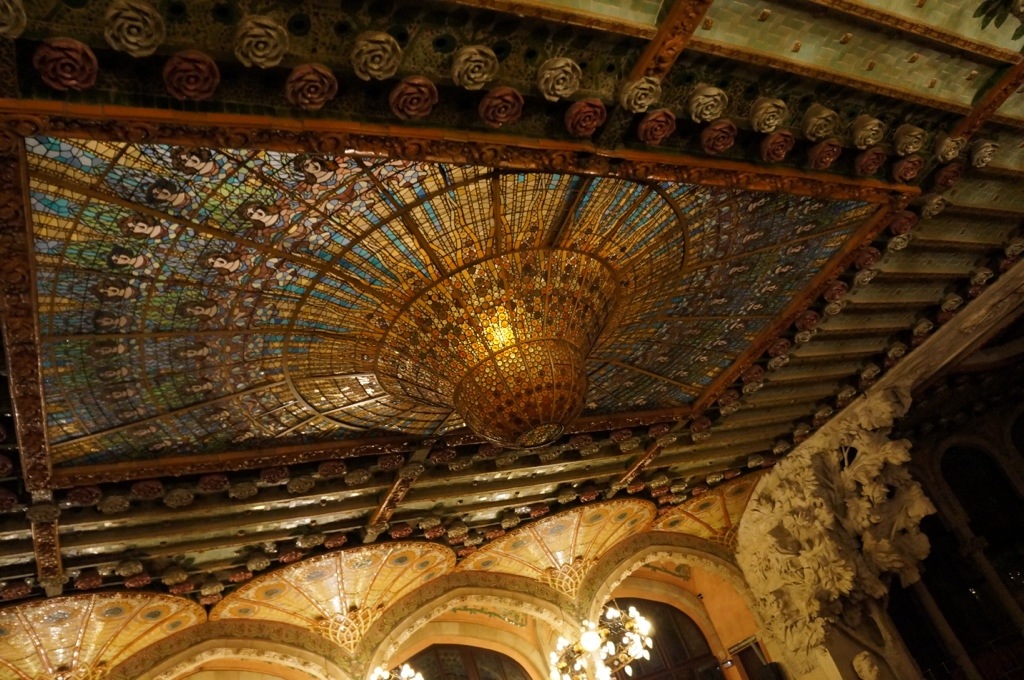
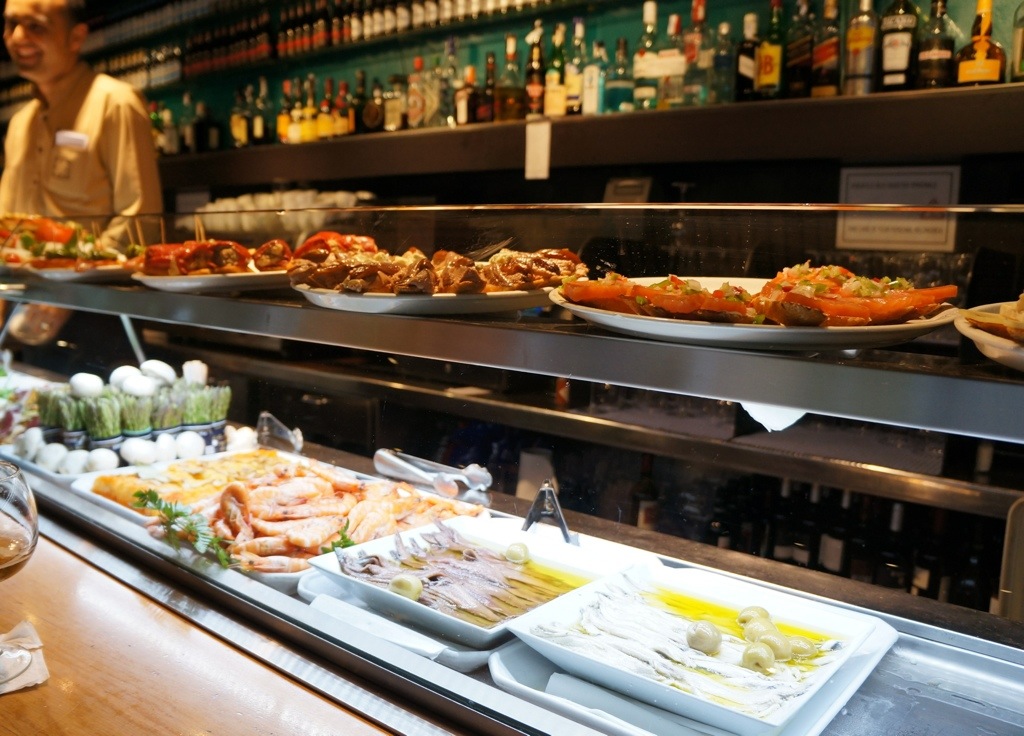
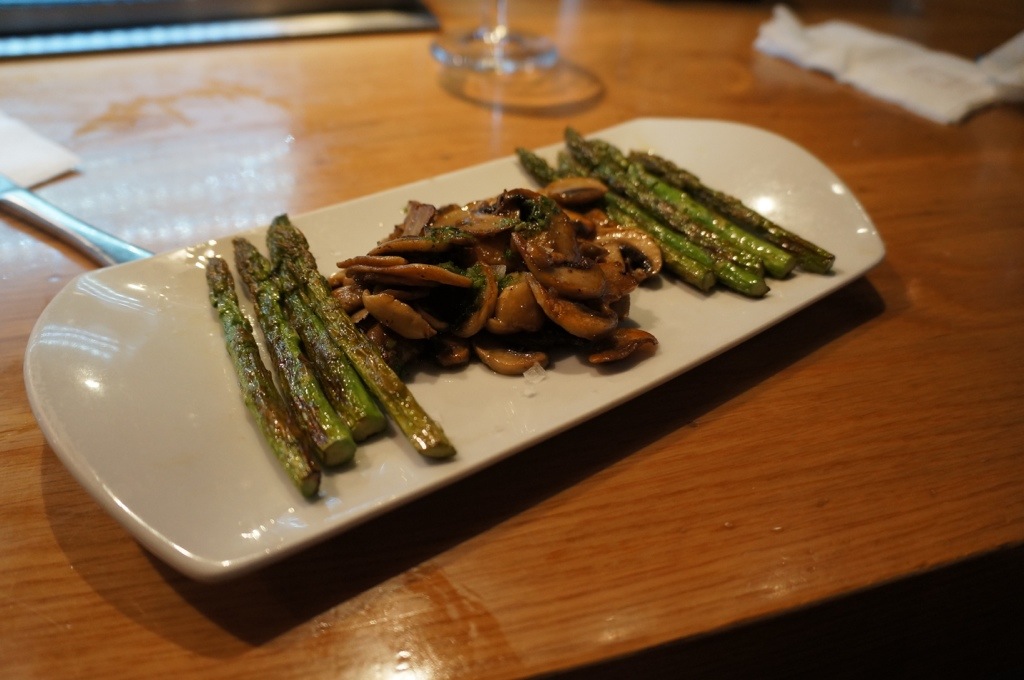
We arrived in Barcelona in time to have a tapas dinner, walk the main shopping street/district (Passeig de Gracia which was near where we stayed), and then head to the main music hall. We had stayed away from flamenco shows in the other Spanish towns because we had found that there was a professional troupe and band that was performing for three weekends in Barcelona – which happened to occur while we were here. This also gave us a chance to see Palau de la Musica Catalana (Music Hall), famed for its skylight which can light the theater fully with natural sunlight. It was a fun evening!
20130811-172503.jpg

20130811-172509.jpg

20130811-172534.jpg

20130811-172539.jpg

20130811-172544.jpg

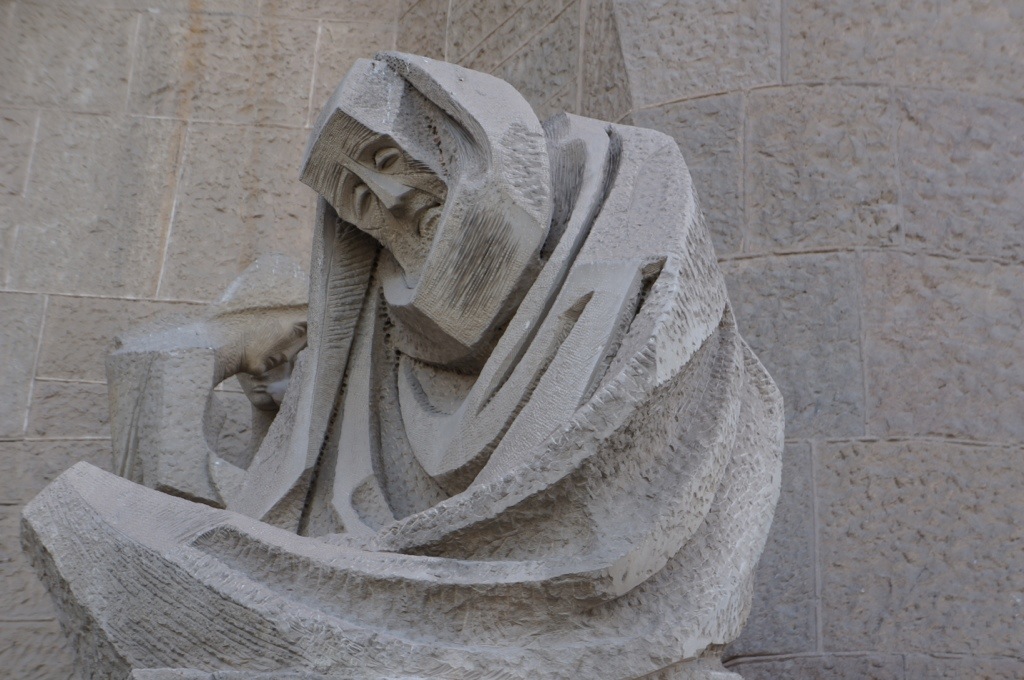
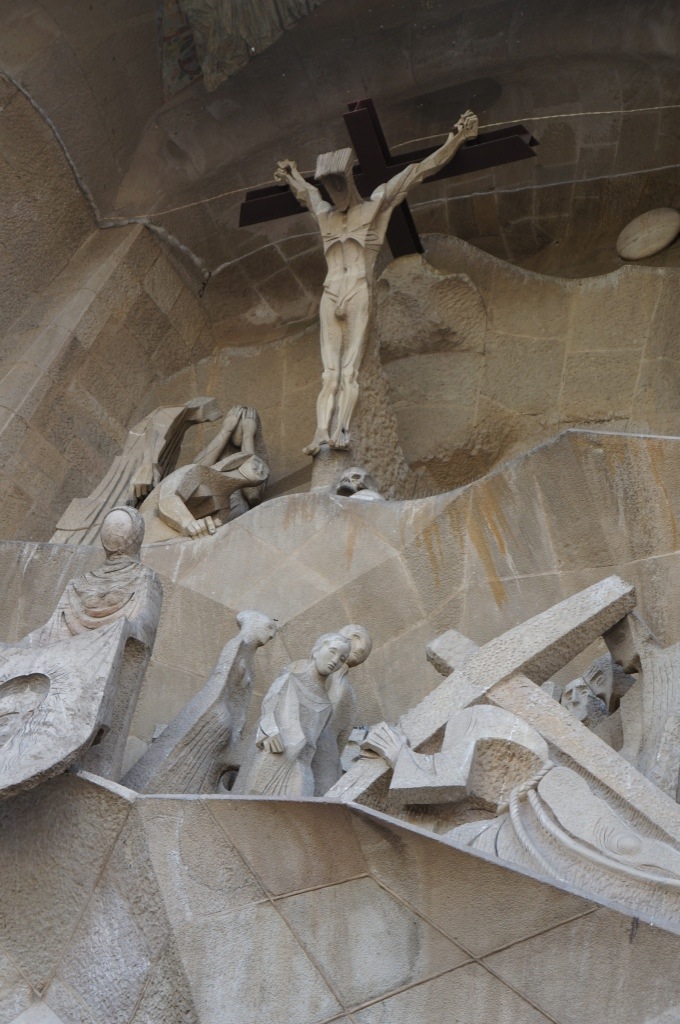
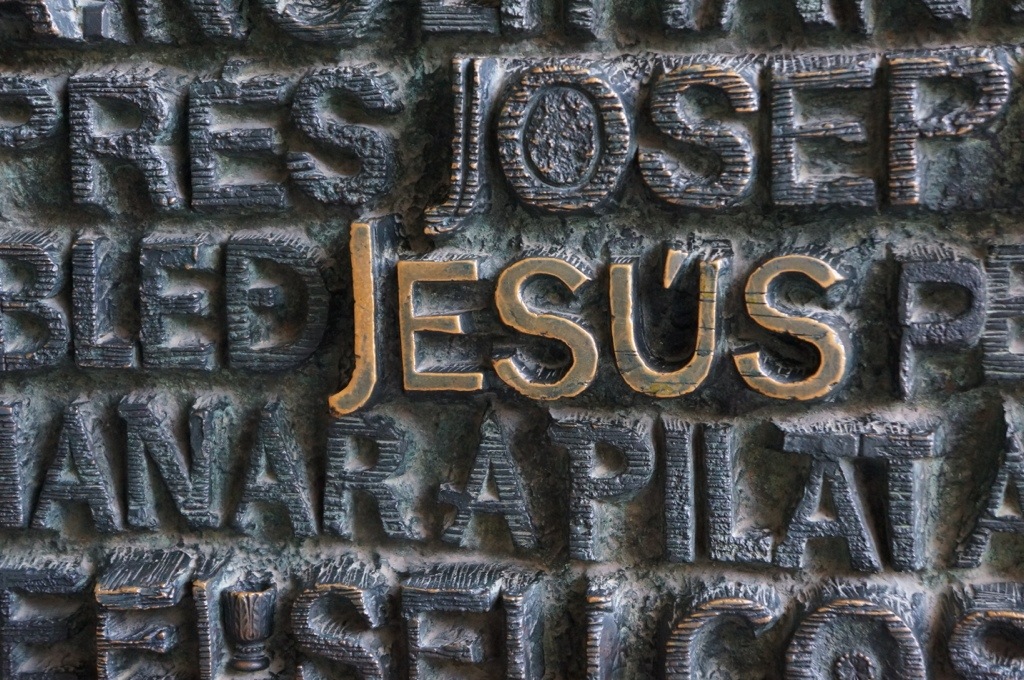
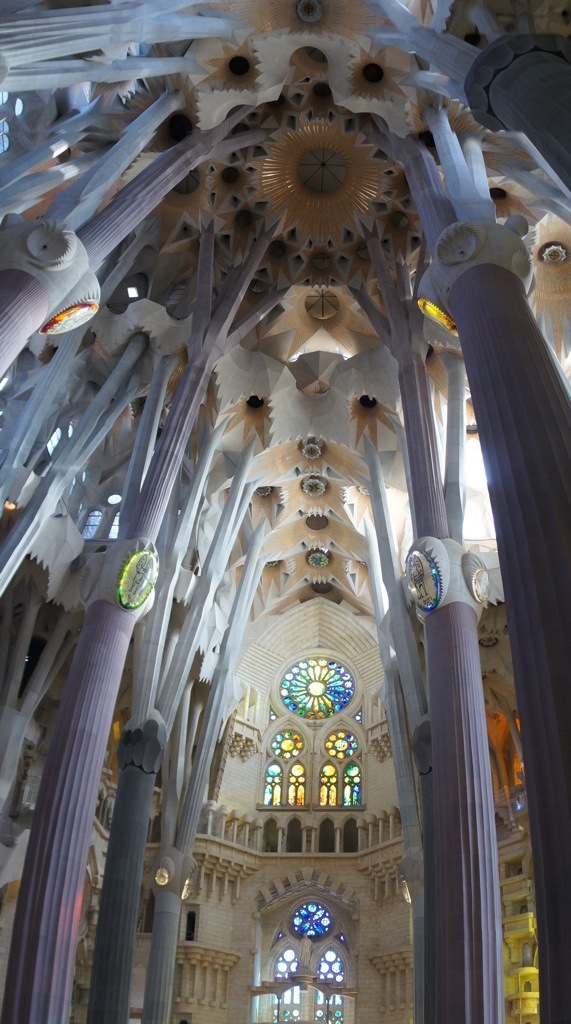
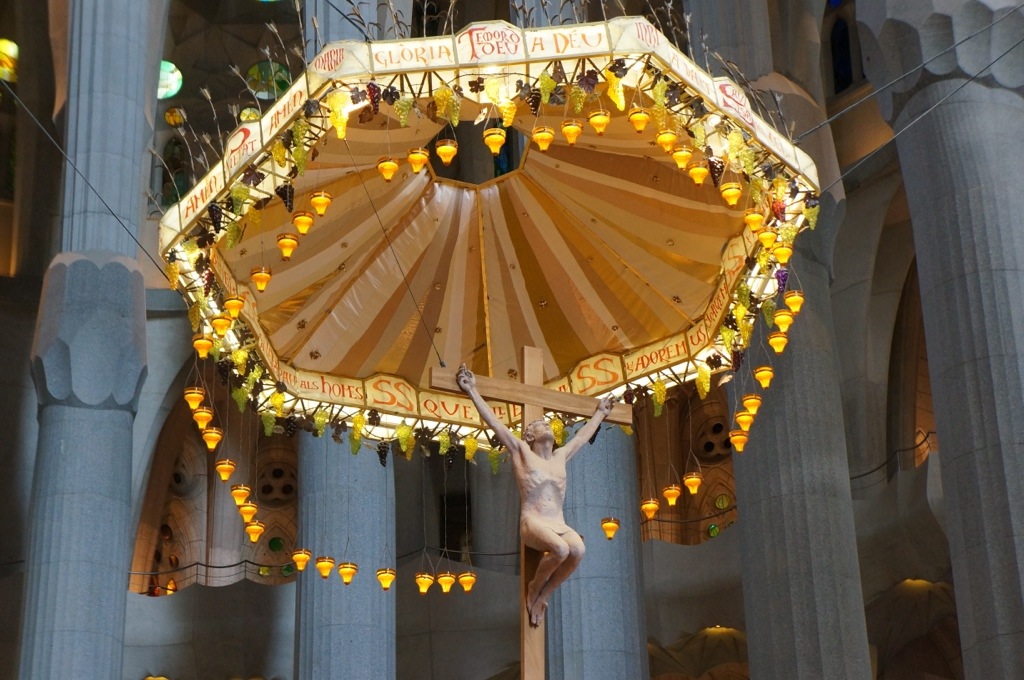
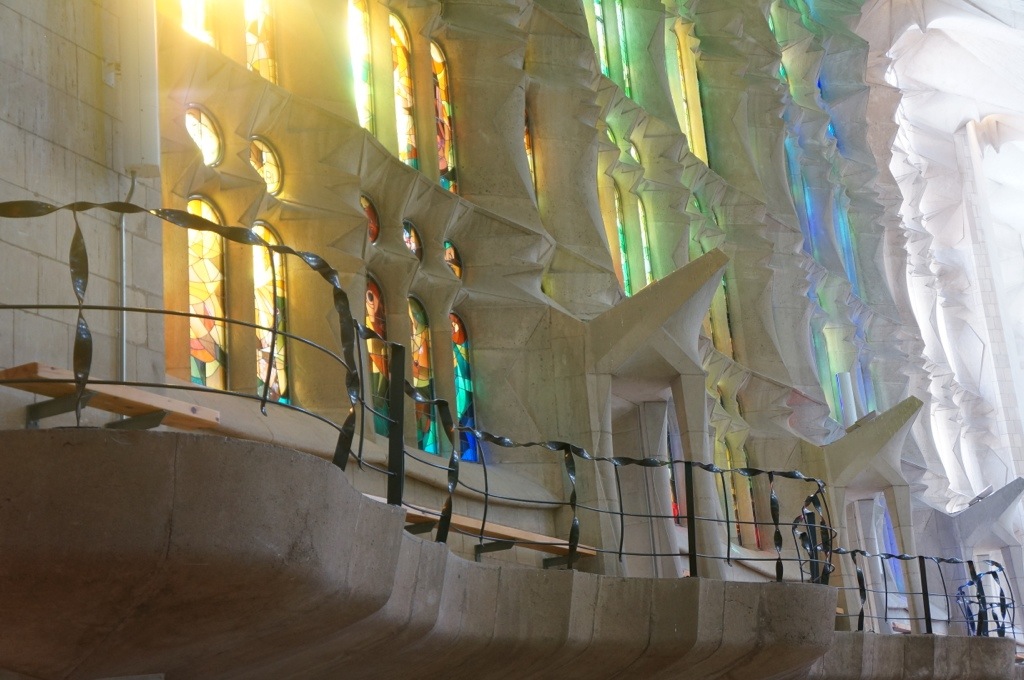
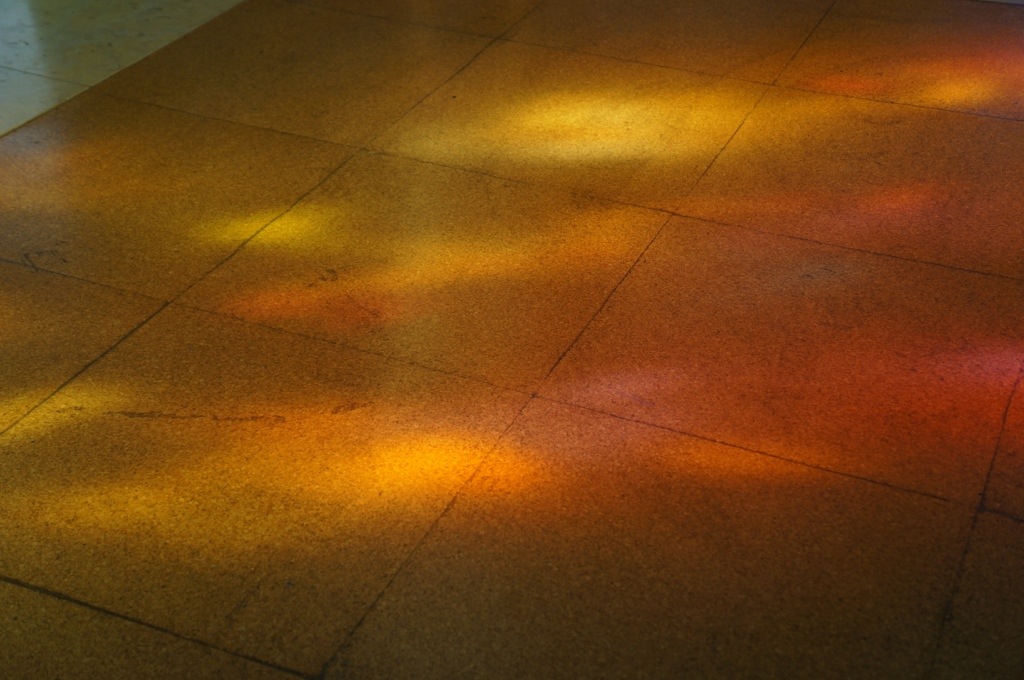
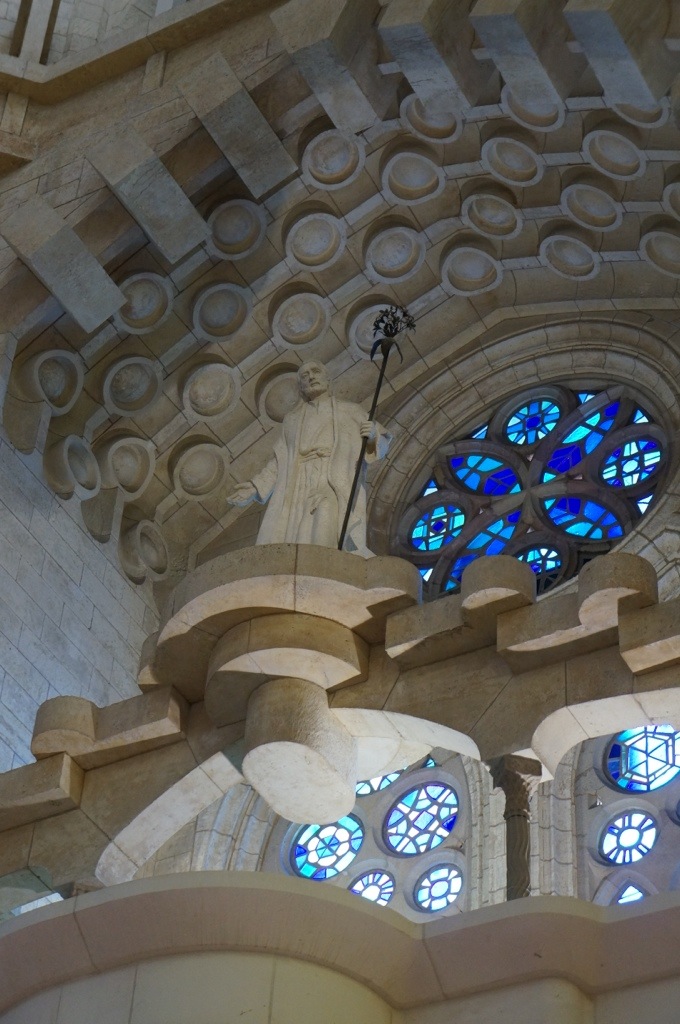
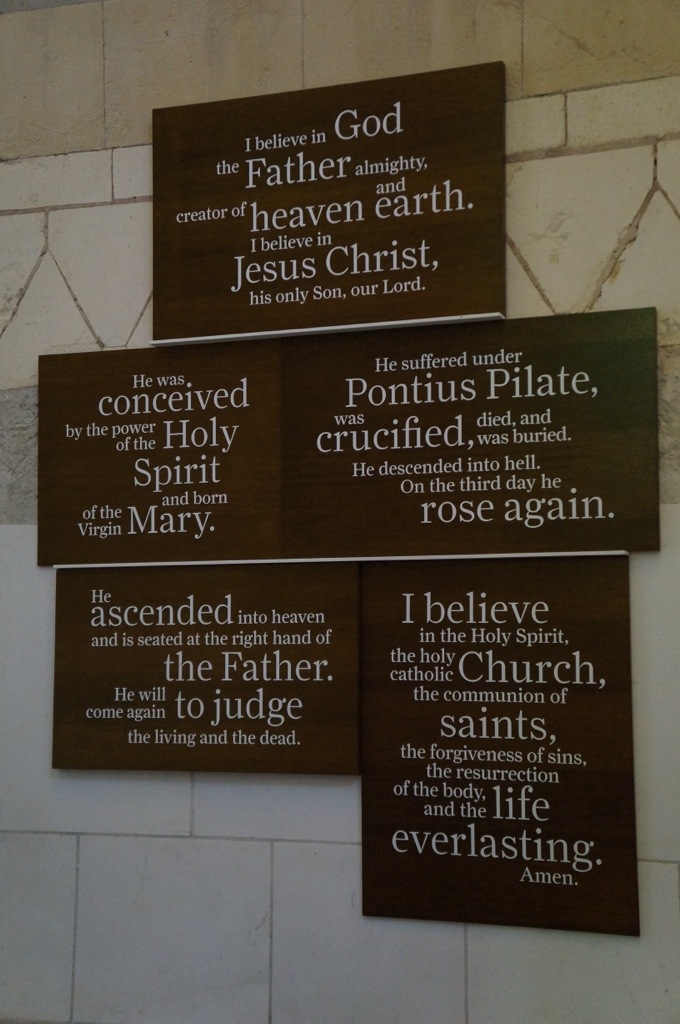
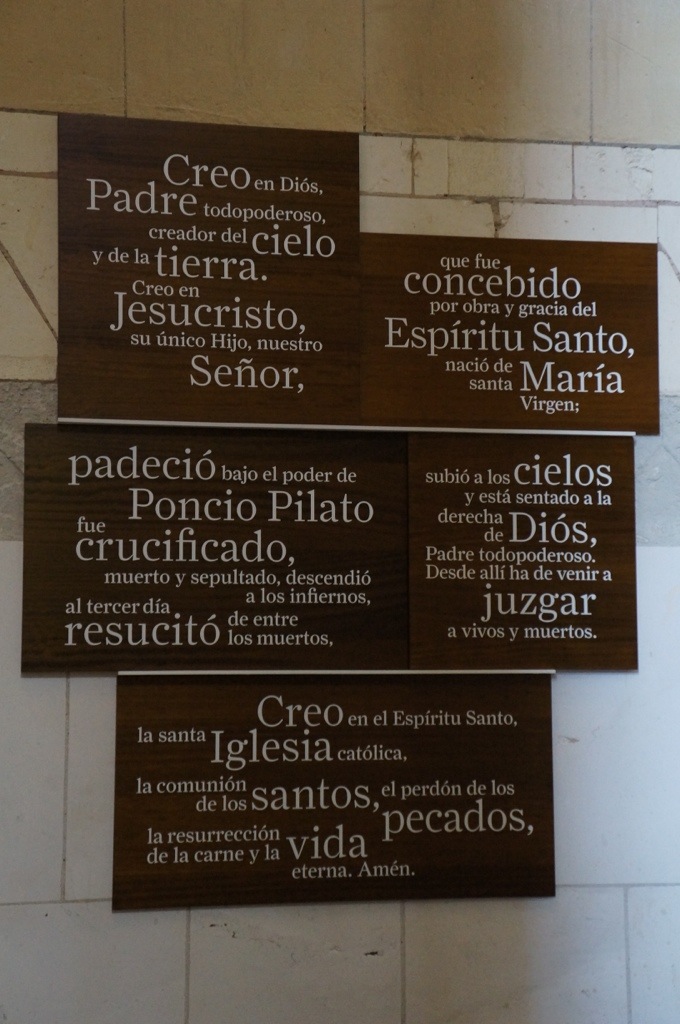
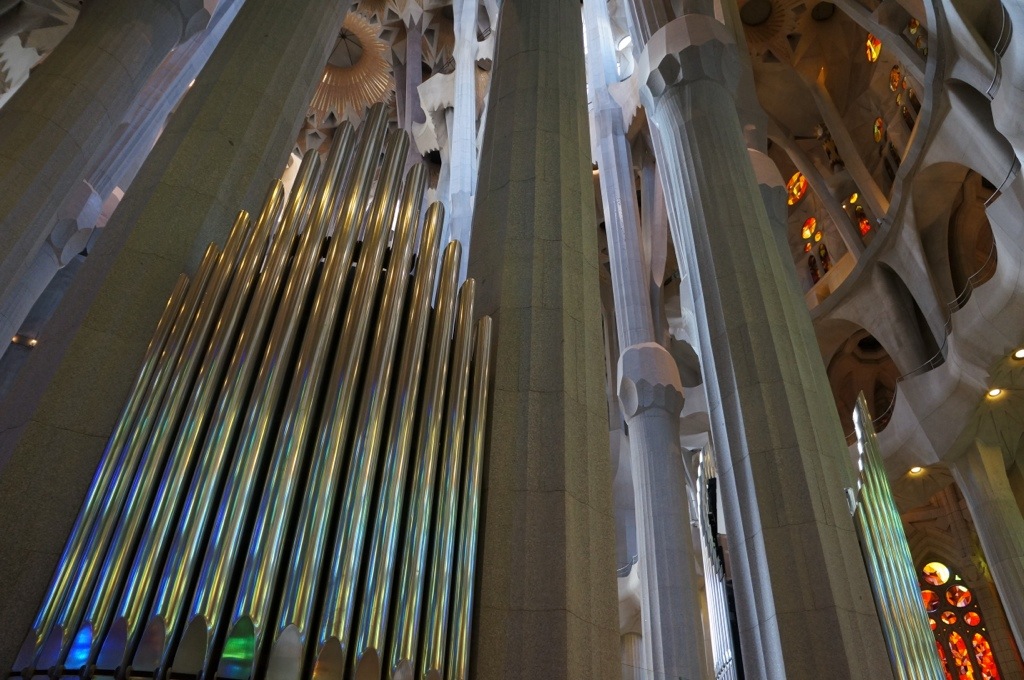
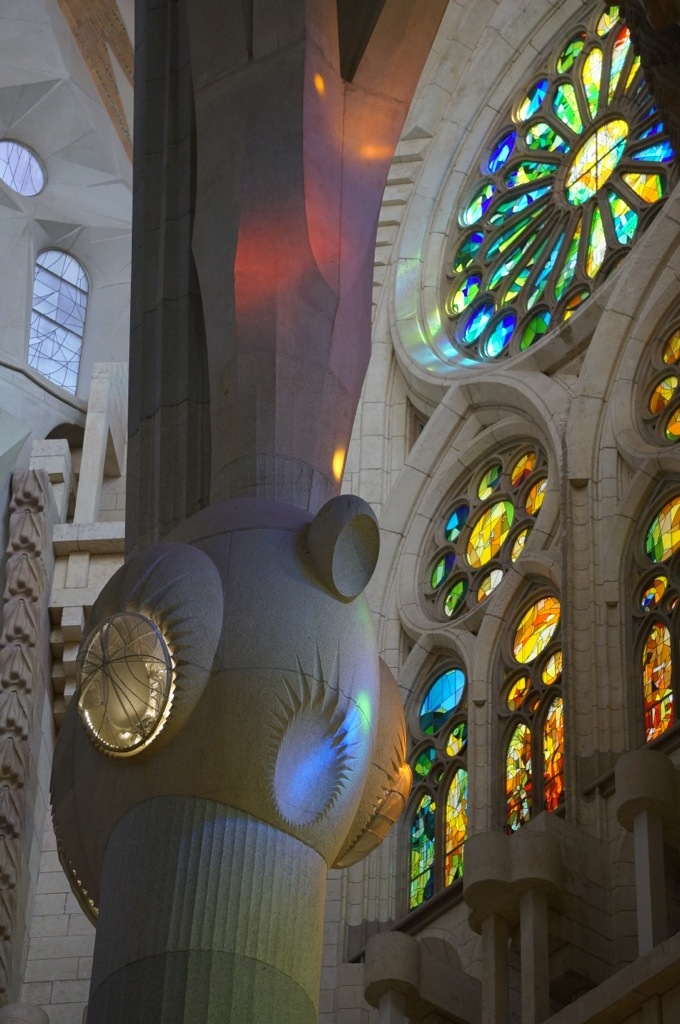
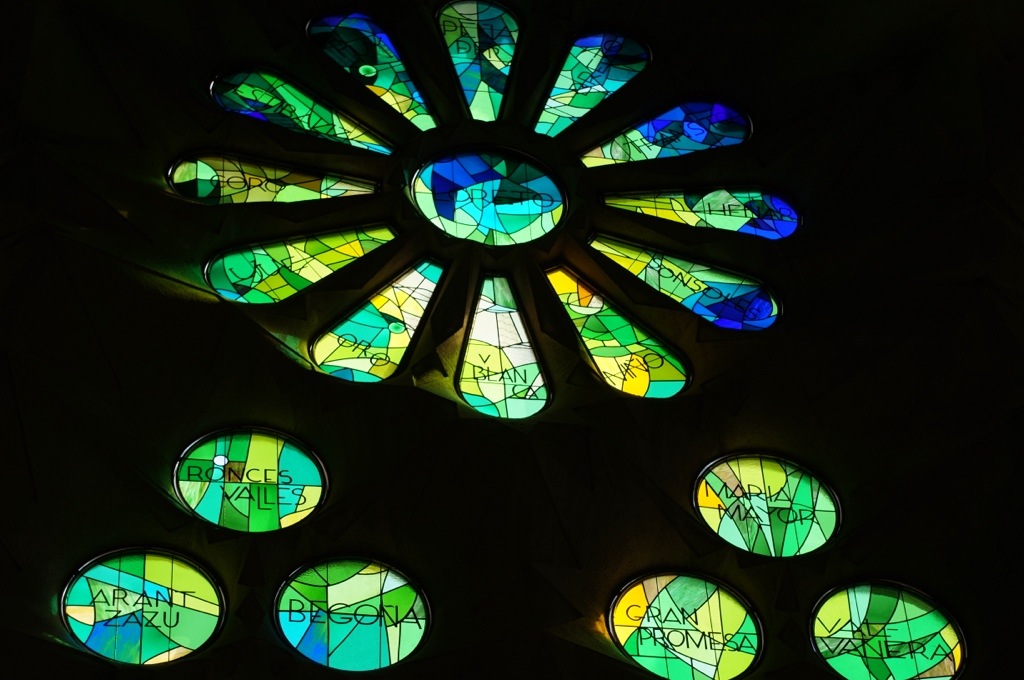
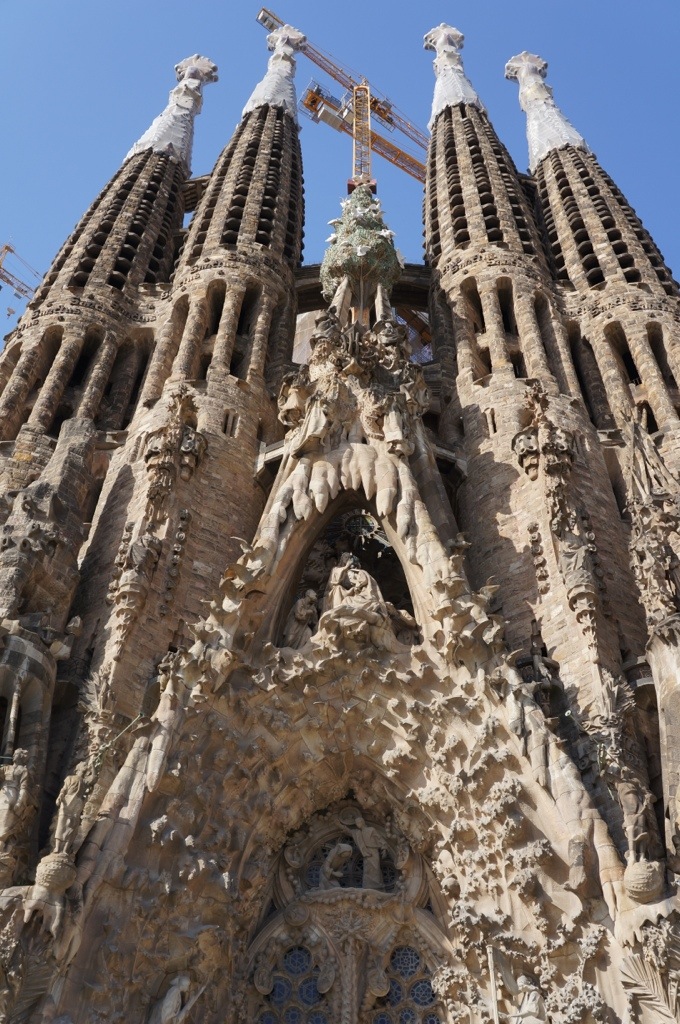
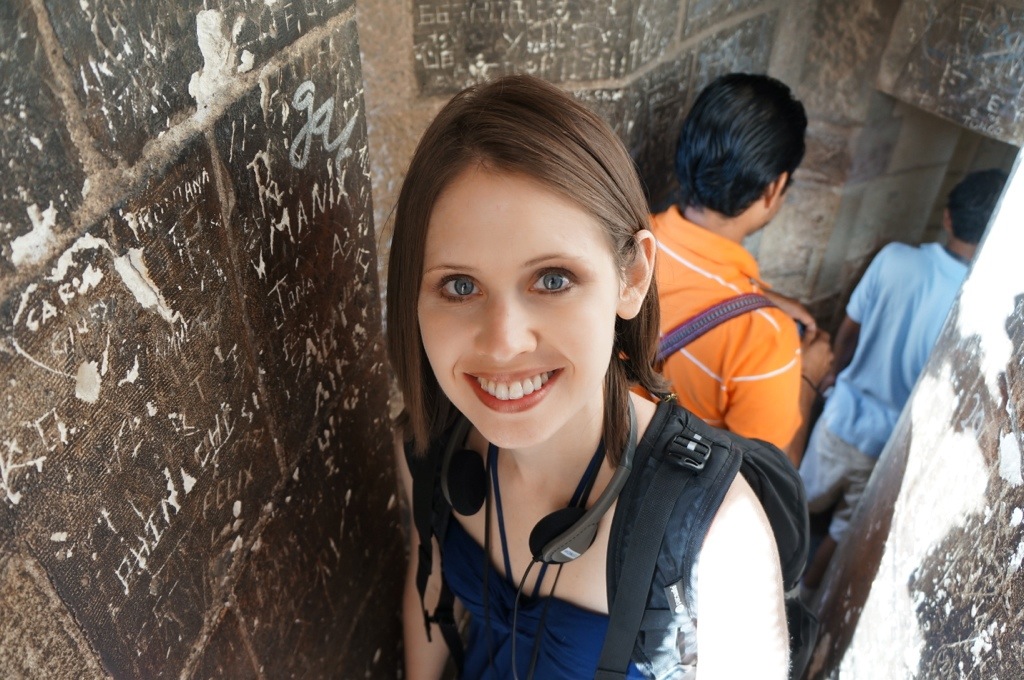
We kicked off our next day in Barcelona by visiting the Basilica De La Sagrada Família. This church is beautiful but probably looks like no other church you’ve seen before. The architect of the basilica, Antoni Gaudí, had a very unique style that was at the forefront of modern 20th century architecture. This style results in bright colors, curved lines, and modern representations of Bibilical scenes. He was also fantastic at managing the use of light in his windows and design. We saw this firsthand as we visited on a sunny morning and saw the beautifulo reflection of the sun through the windows. I really enjoyed this non-traditional church!

One other very interesting fact about this basilica is that it isn’t finished! Gaudí took over construction in 1883, and it’s been under construction ever since! The good news is that it’s set to be finished officially by 2026 – 100 years after Gaudí died.
20130811-172650.jpg

20130811-172658.jpg

20130811-172707.jpg

20130811-172711.jpg

20130811-172716.jpg

20130811-172721.jpg

20130811-172727.jpg

20130811-172732.jpg

20130811-172737.jpg

20130811-172743.jpg

20130811-172756.jpg

20130811-172803.jpg

20130811-172810.jpg

20130811-172816.jpg

20130811-172823.jpg

20130811-172829.jpg

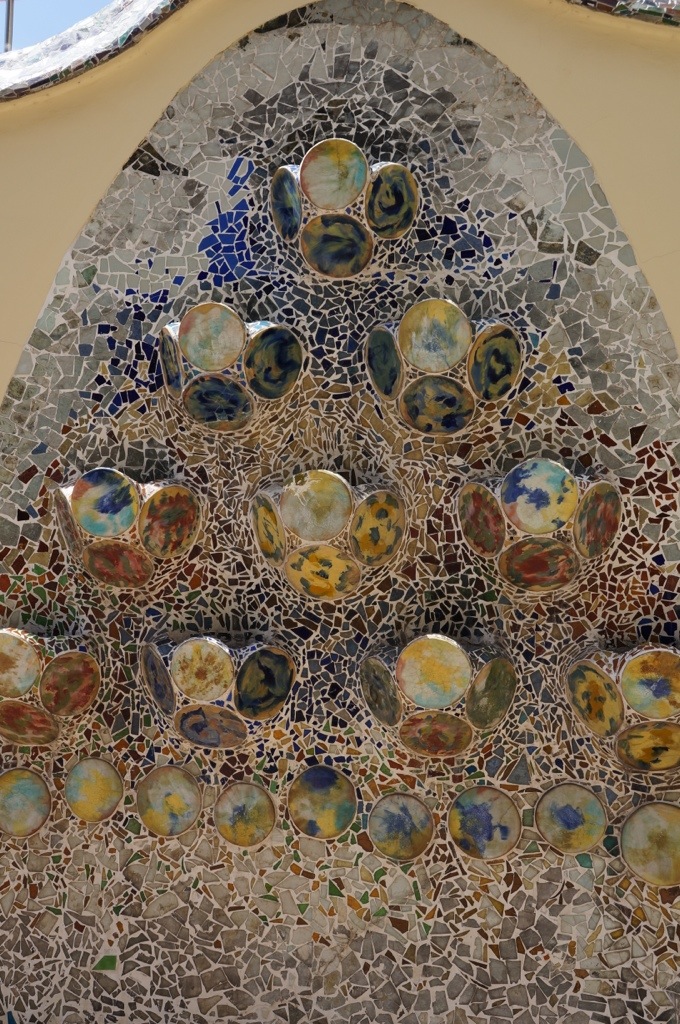
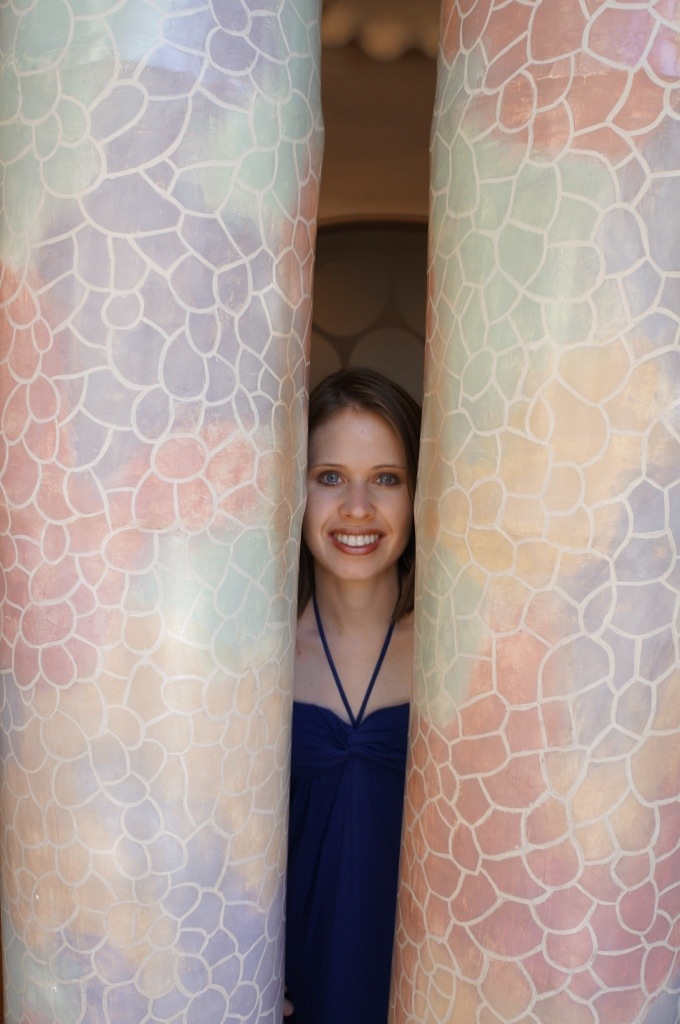
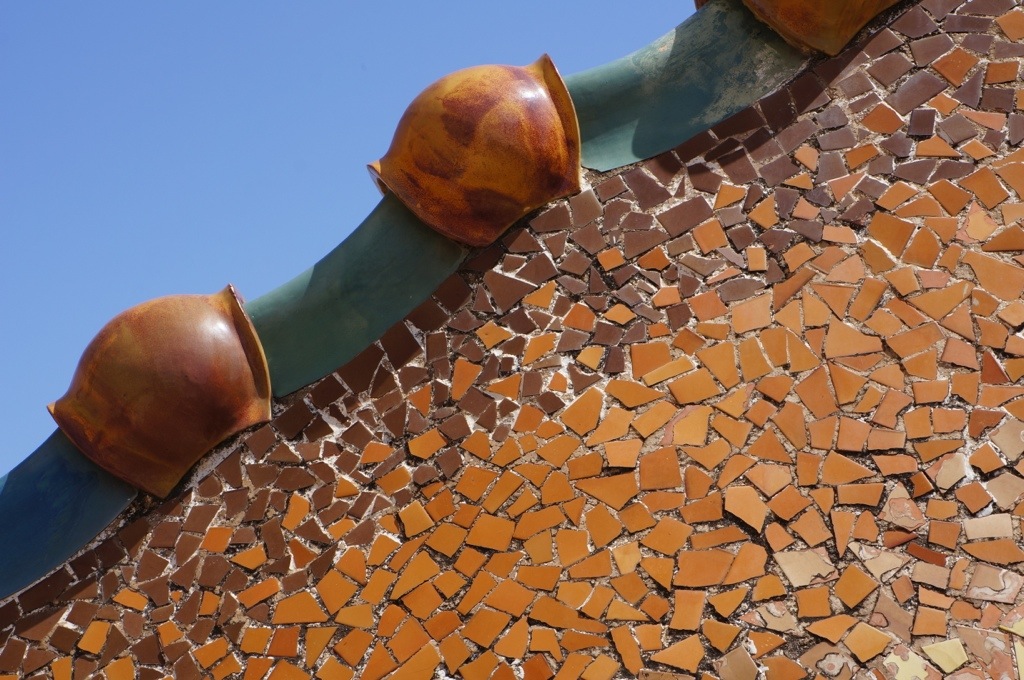
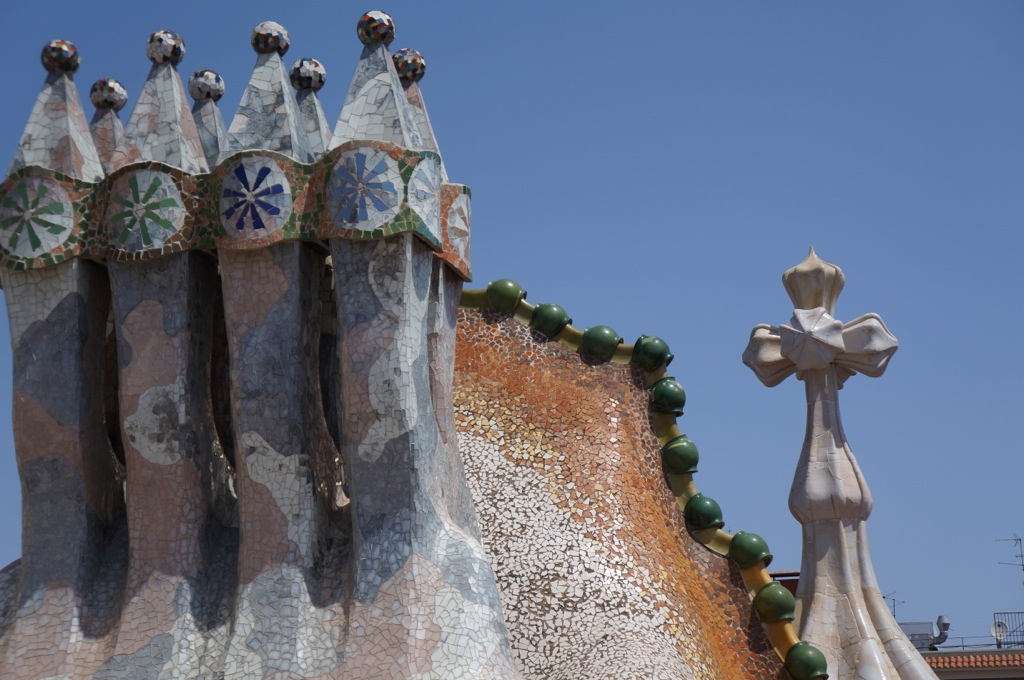
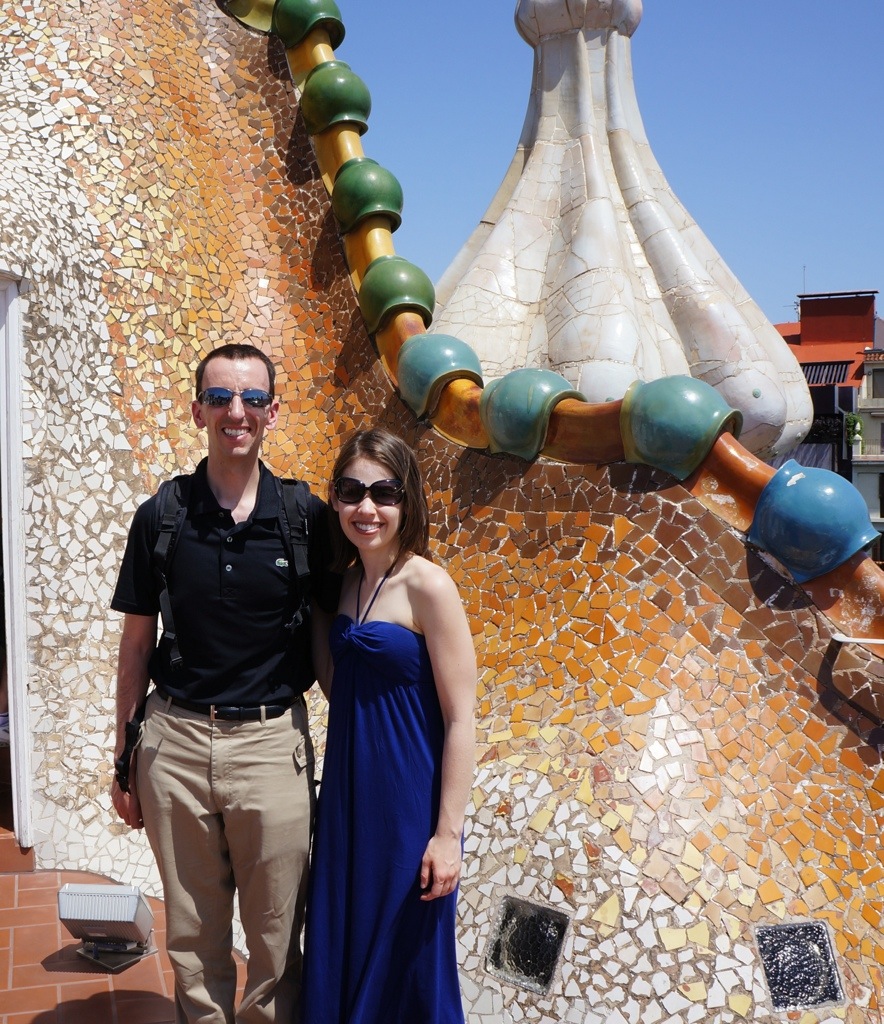
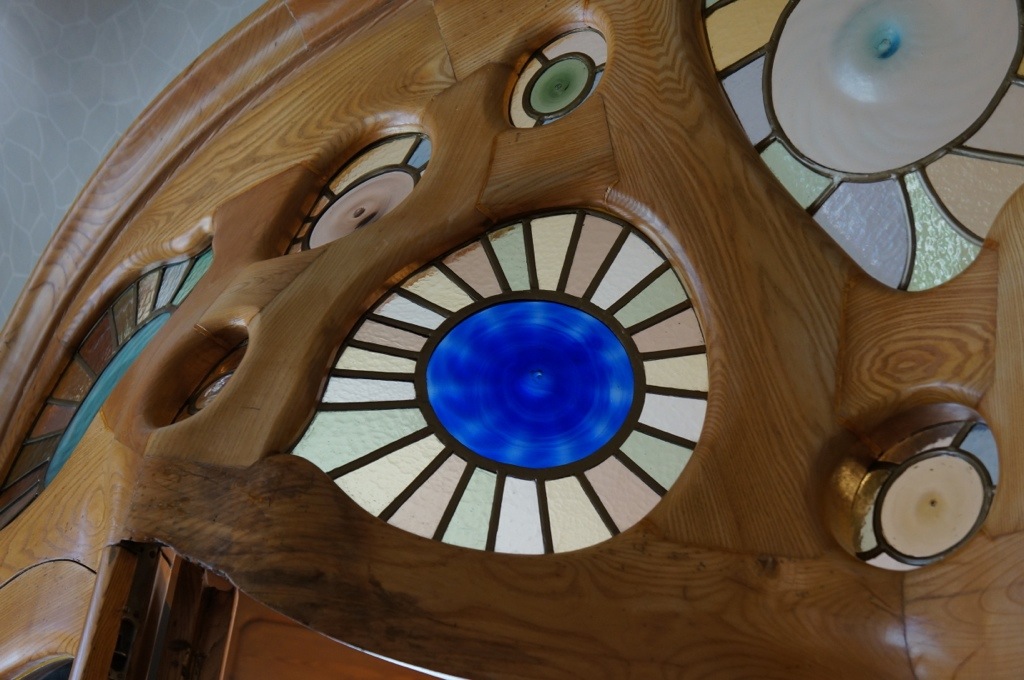
We spent the afternoon looking at several of Gaudí’s works which are located throughout Barclona and are a Unesco World Heritage site (http://whc.unesco.org/en/list/320).

20130811-173216.jpg

20130811-173224.jpg

20130811-173229.jpg

20130811-173236.jpg

20130811-173242.jpg

20130811-173251.jpg

20130811-173256.jpg

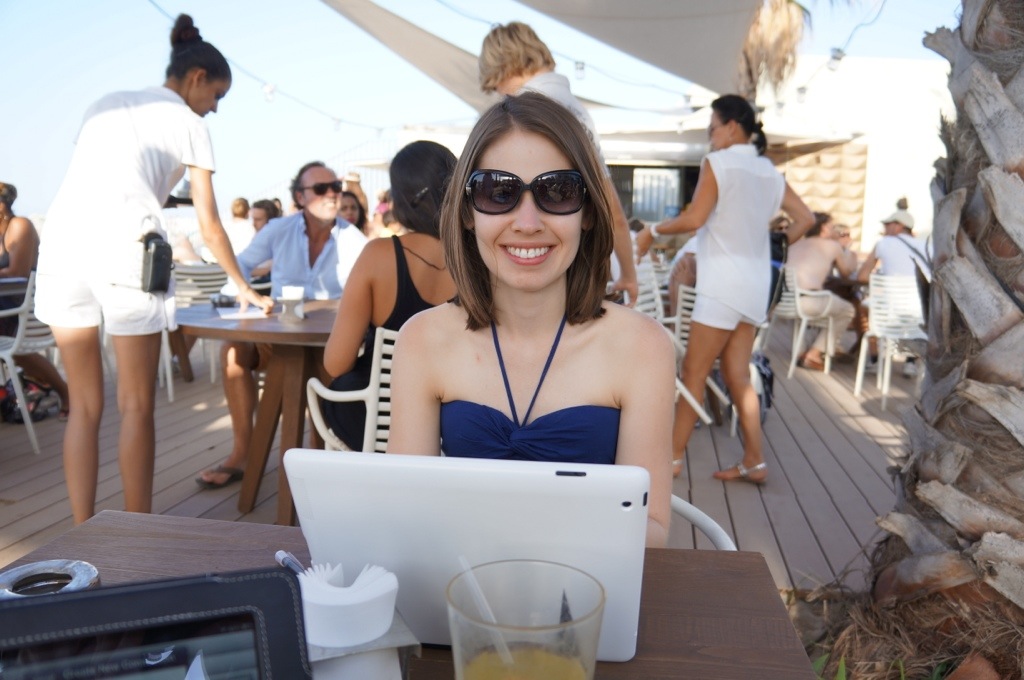
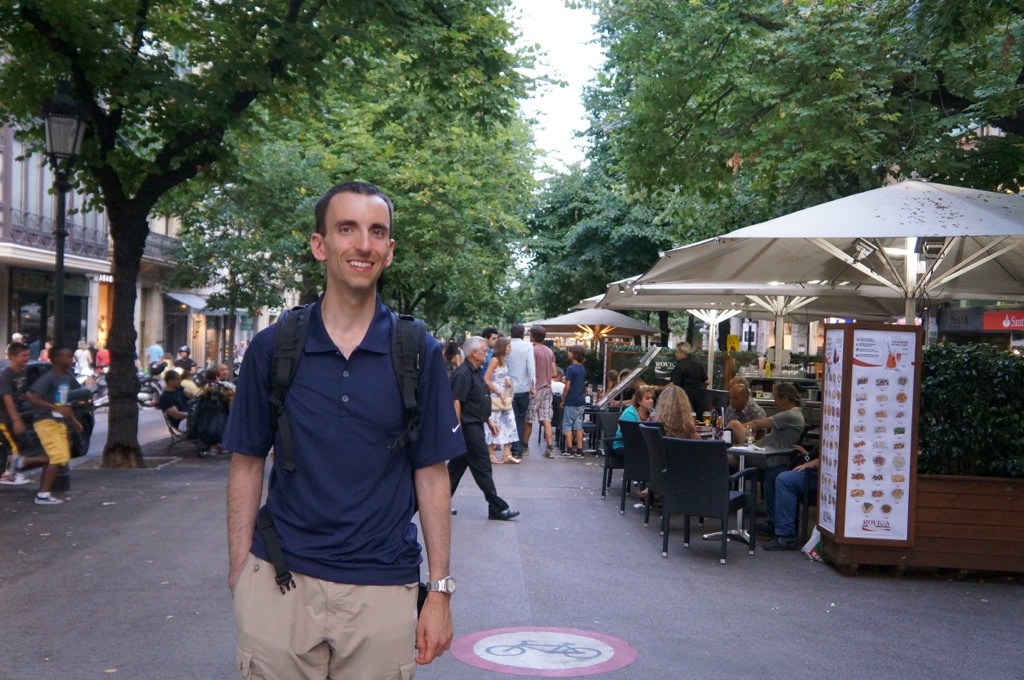
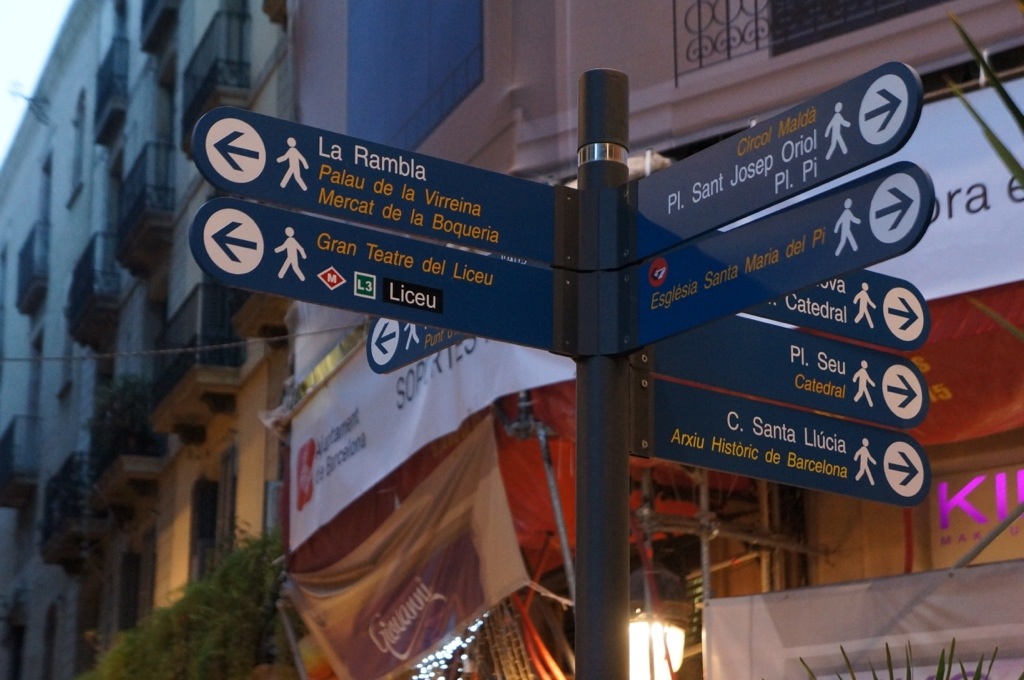
We also walked through La Rambla (busy street of stores, cafes), walked through the historic Gothic Quarter (narrow streets, historic buildings), and sat at a cafe overlooking the Mediterrean Sea. In fact, I am typing this blog while looking out over water – absolutely beautiful and relaxing!
20130811-172516.jpg

20130811-172526.jpg

20130811-173423.jpg

Working on this blog post!
20130811-173434.jpg

20130811-173439.jpg

We capped off our time in Barcelona with traditional Catalonian dinner. Next up is Cote de Azul!
Stops 9-10: Seville & Granada

Hello from Seville and Granada!

We continued our tour by driving to Seville located in Southwest Spain. The drive from Toledo to Seville was quite pretty, with fields filled with olive trees, red clay, and sunflowers. The area is very dry, sunny, and hot so we saw multiple solar farms along the way. We also noticed that the houses in towns are almost always white with clay roofs to reflect the sun and keep buildings cooler. We also continually saw large bull signs all over Spain!

In Seville we had a neat hotel located in the center of the old town that was a completely remodeled house from the 1800’s. The location was great as it allowed us to stop back and cool down as the temperatures were about 104 degrees. Muy caliente!

The history of Seville is fascinating because the city was one of the battleground areas of the Reconquista between the Muslim stronghold and Catholics. Additionally, Seville was the port for exploration of the New World. Christopher Columbus and many other explorers set sail from this town. This port location led the city to great prosperity as it became the single point of entry for all ships from the New World so the city taxed all these imports at 20%. Not a bad return!

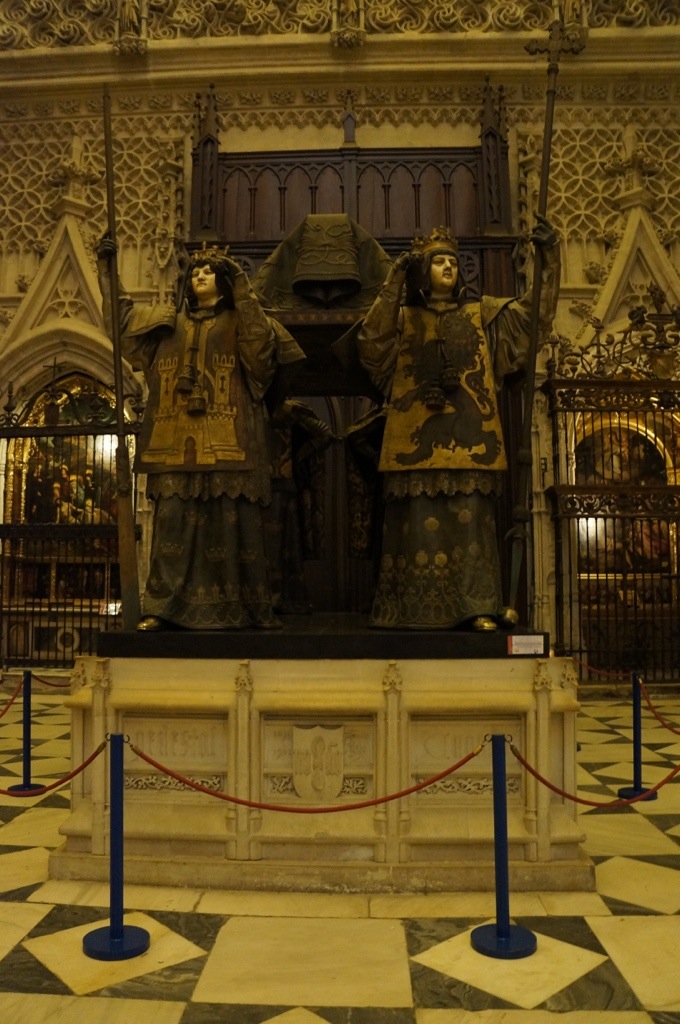
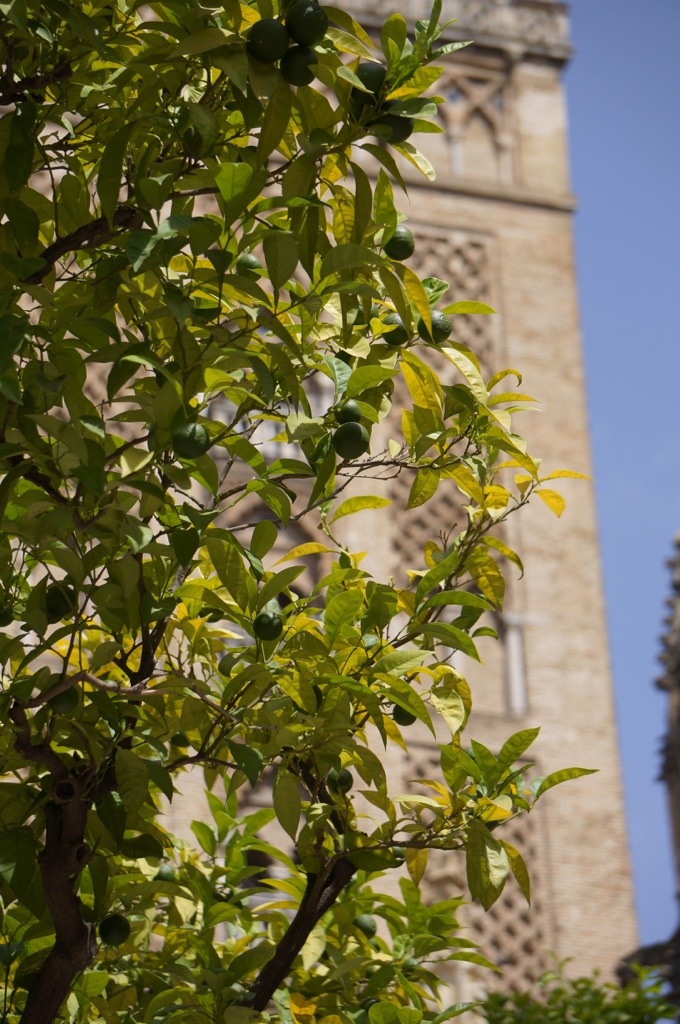
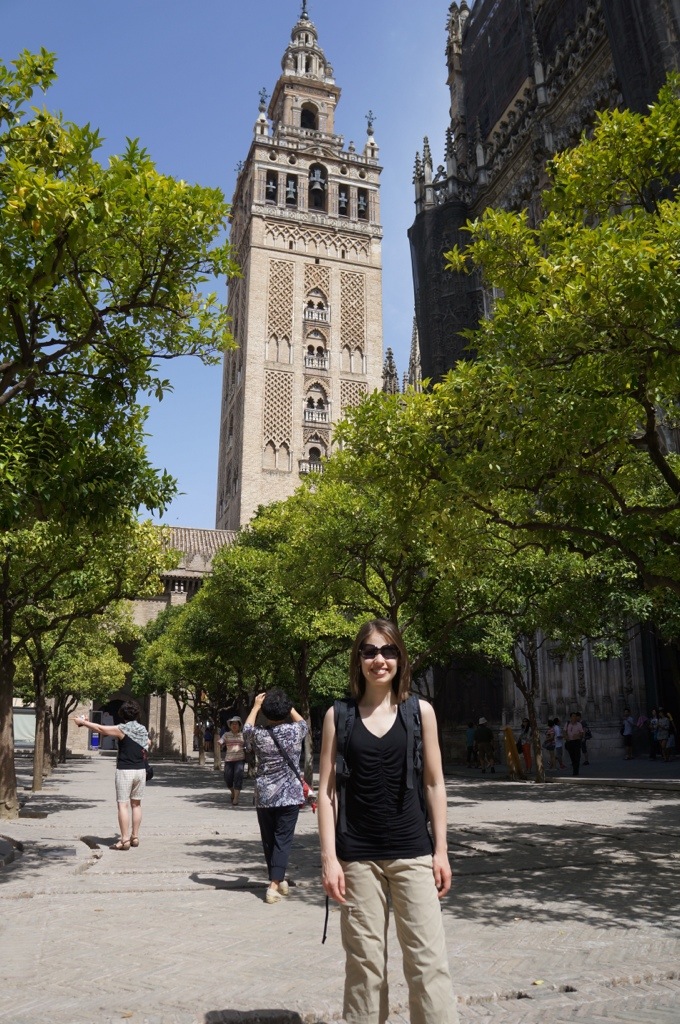
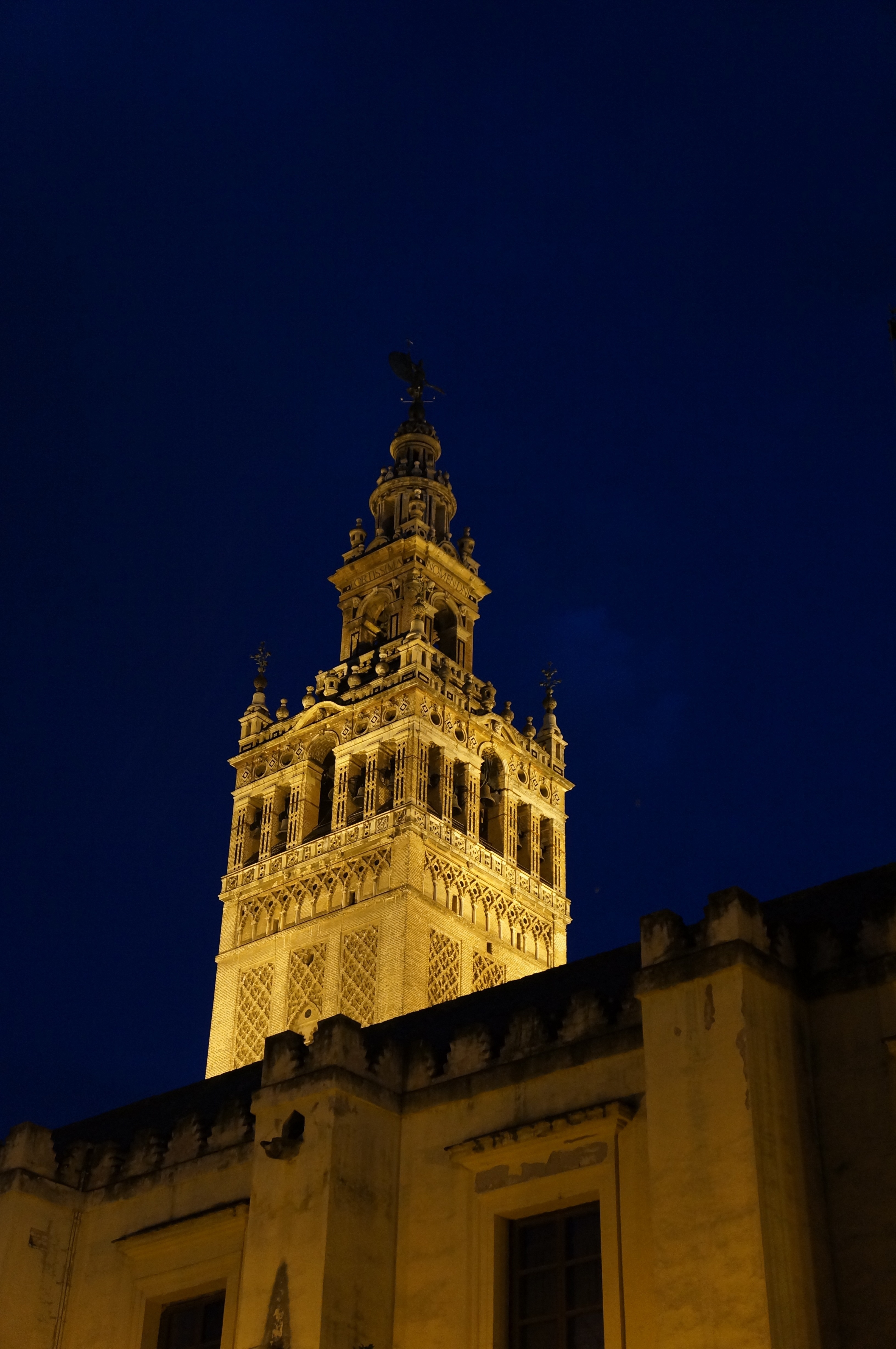
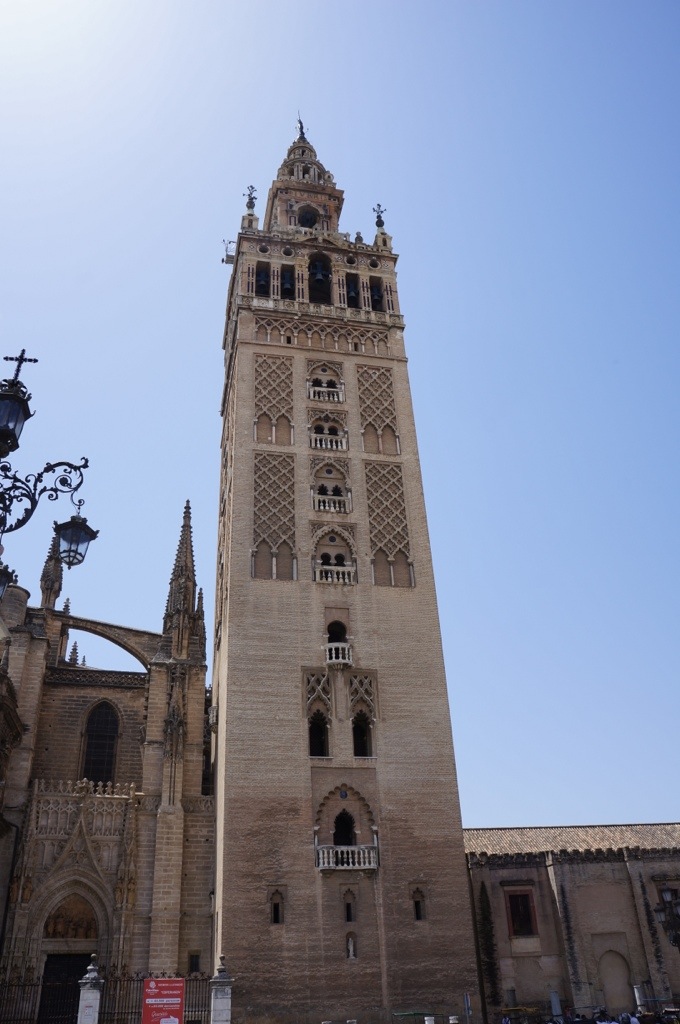
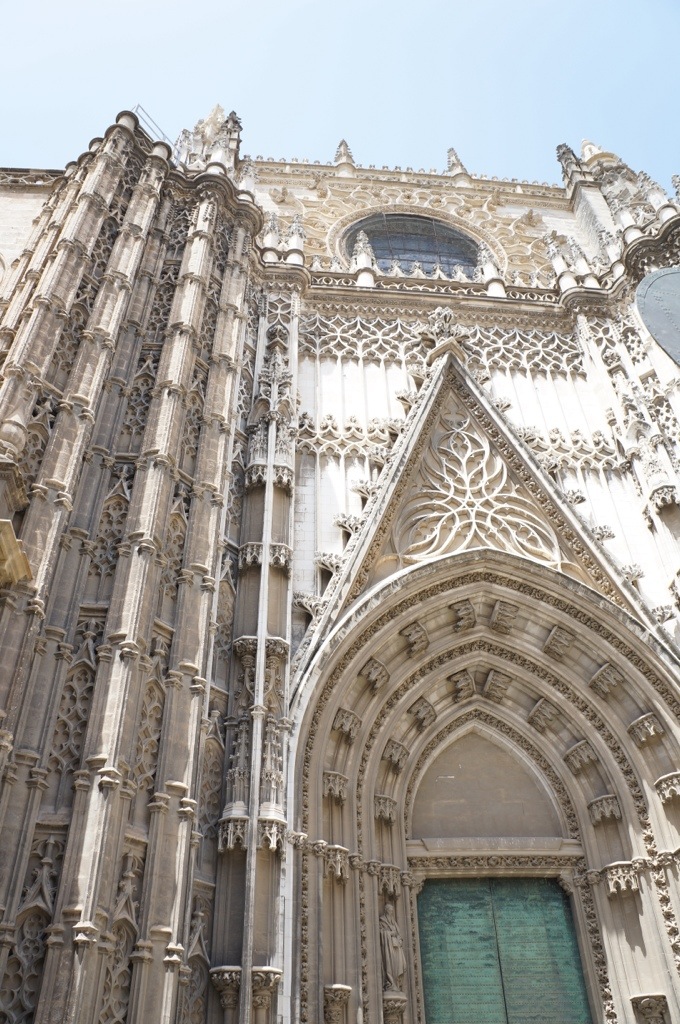
Our first stop in Seville was the main Cathedral and Giralda Tower. The cathedral is very unique because it contains Muslim influences (in fact, the site was once a muslim mosque) and houses the remains of Christopher Columbus. The Giralda Tower offers pretty view of the city, including the white houses and tile roofs.

20130808-000631.jpg

20130808-000637.jpg

Christopher Columbus’ Grave20130808-000642.jpg

20130808-000649.jpg

20130808-000654.jpg

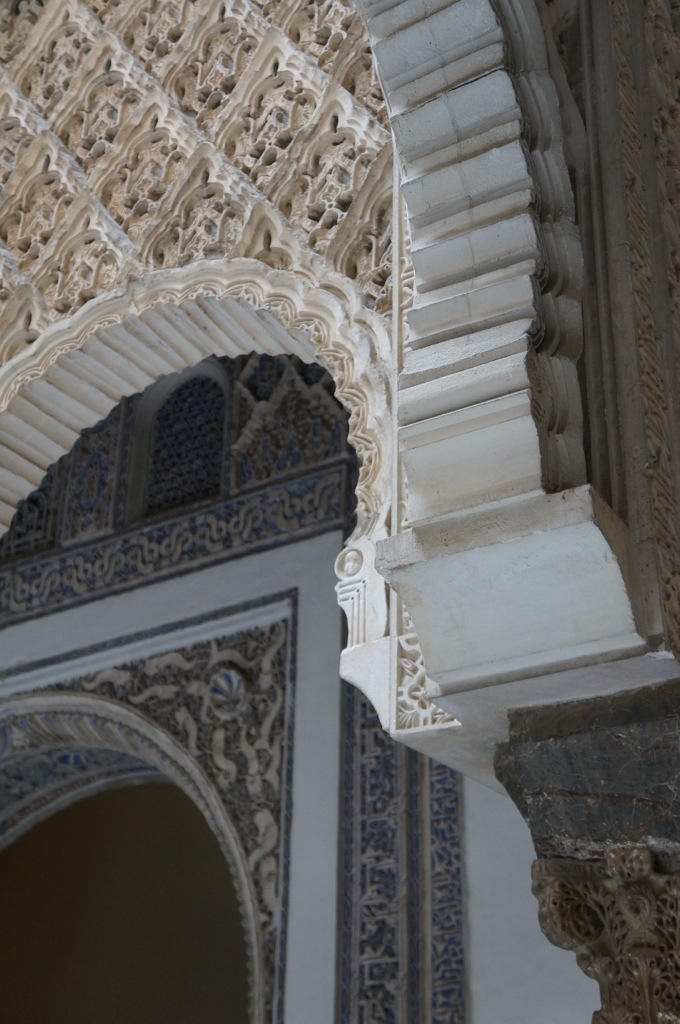
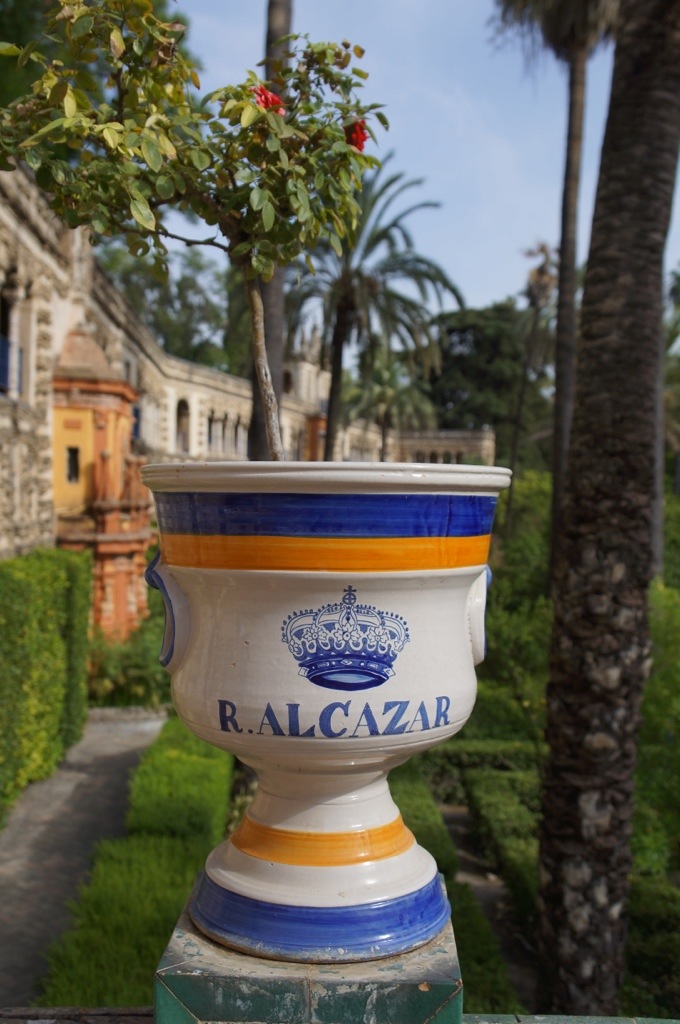
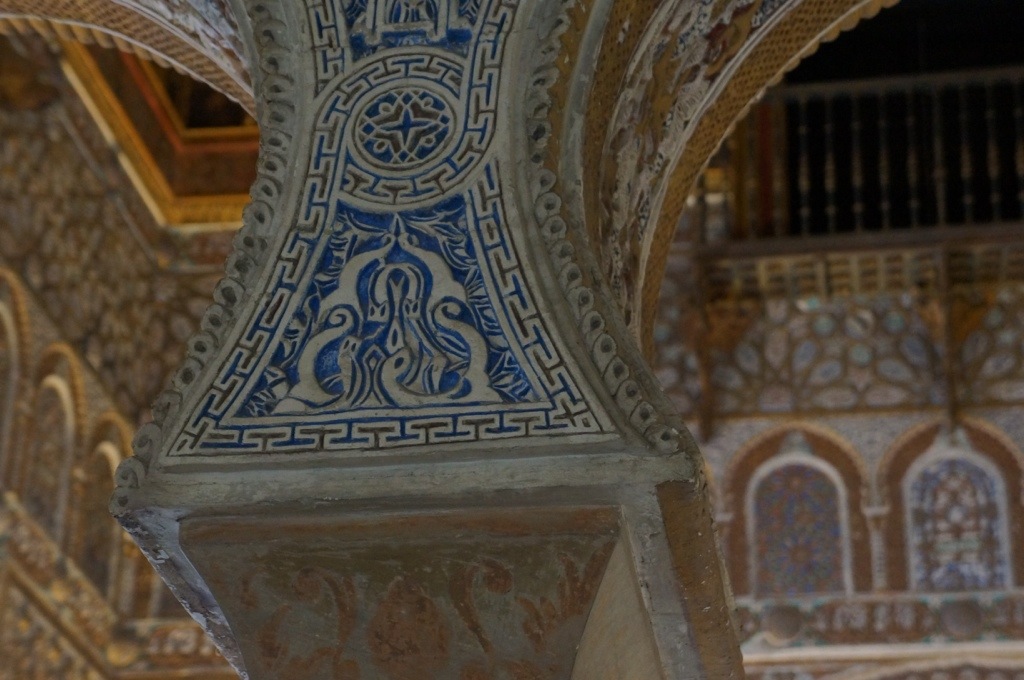
We then went to the Alacazar which was a palace that changed control between Muslim and Catholics so the architecture differences (Roman and Muslim influenced) in this space are also fascinating.

20130808-000658.jpg

20130808-000703.jpg

20130808-000708.jpg
20130808-000717.jpg
20130808-000713.jpg

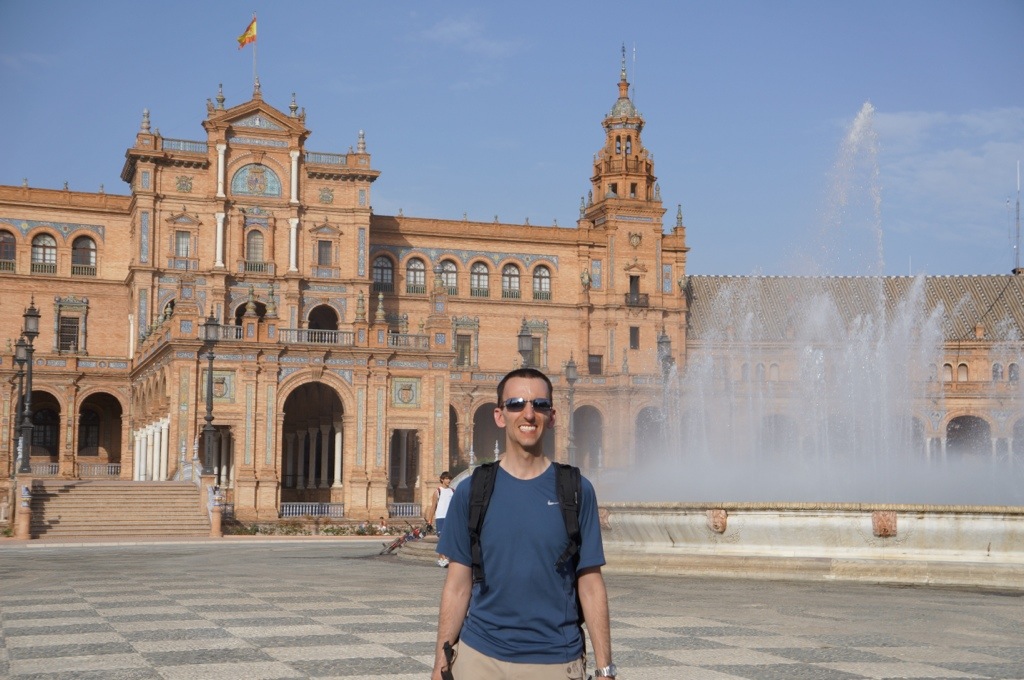
Our afternoon finished with a walk through Plaza de Espana, a building and plaza built for the 1929 World Expo that showcased Spain’s prominence] in arts and engineering. For those who are Star Wars buffs, you may recognize this plaza from Episodes I and II.

20130808-000722.jpg

20130808-000742.jpg

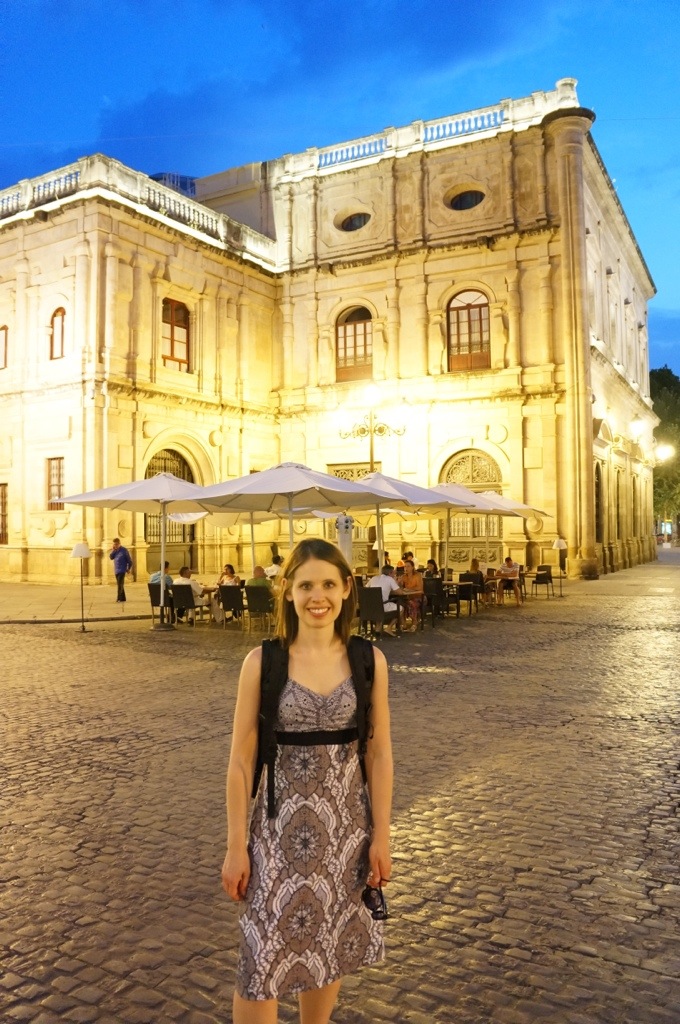
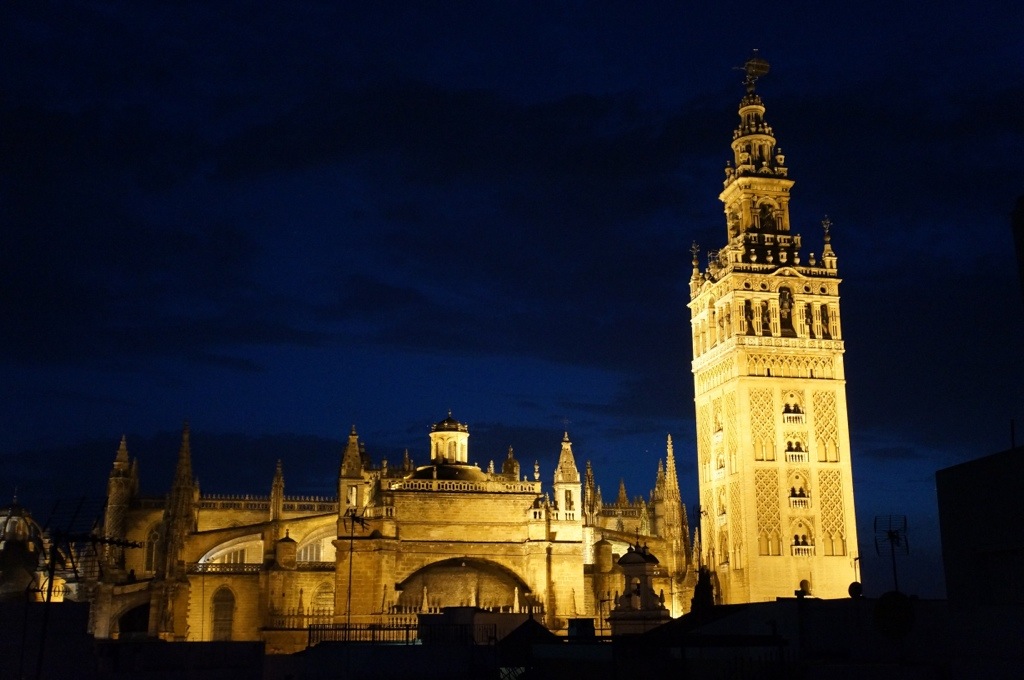
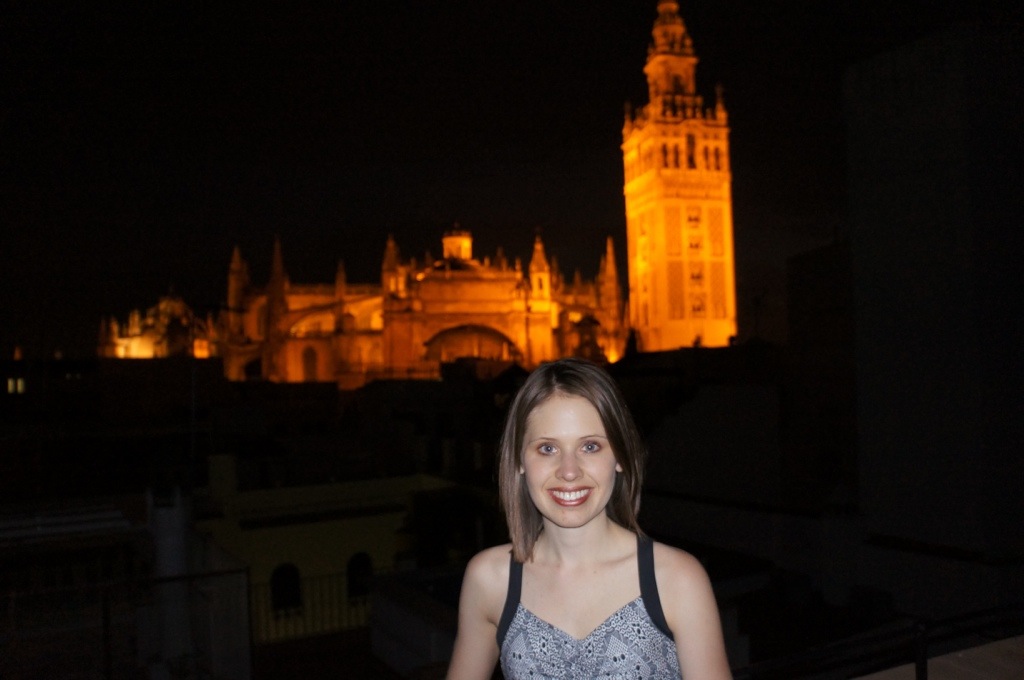
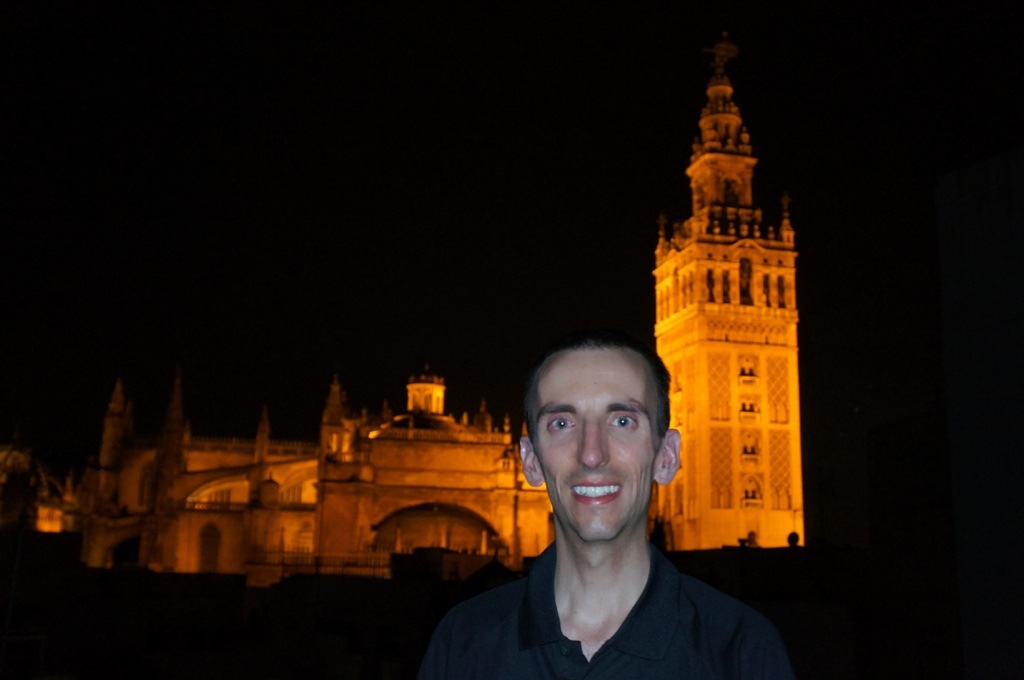
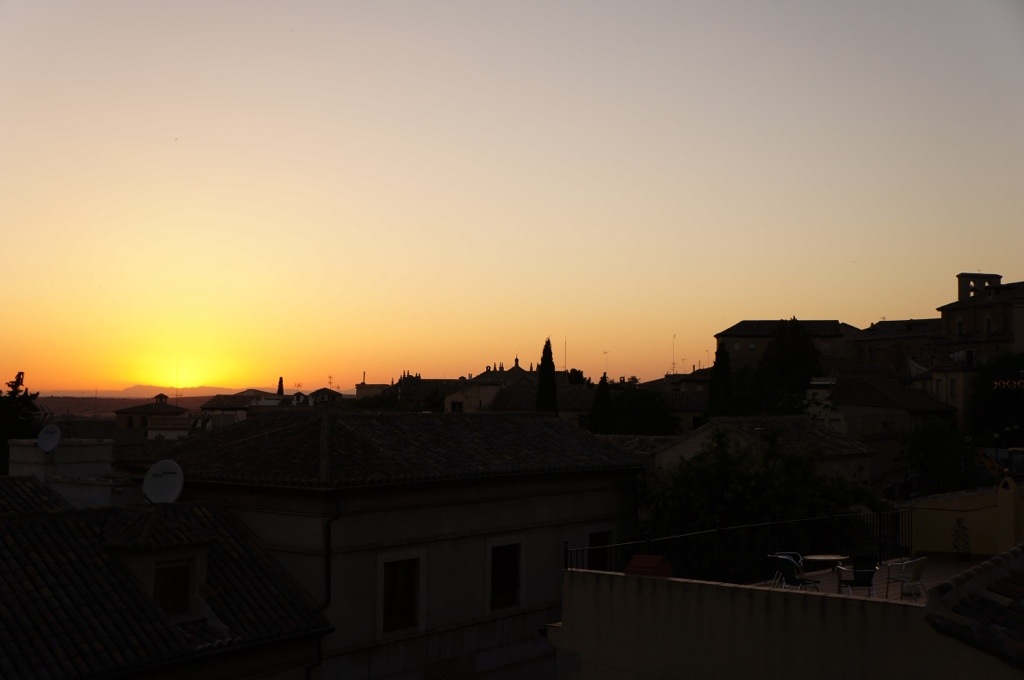
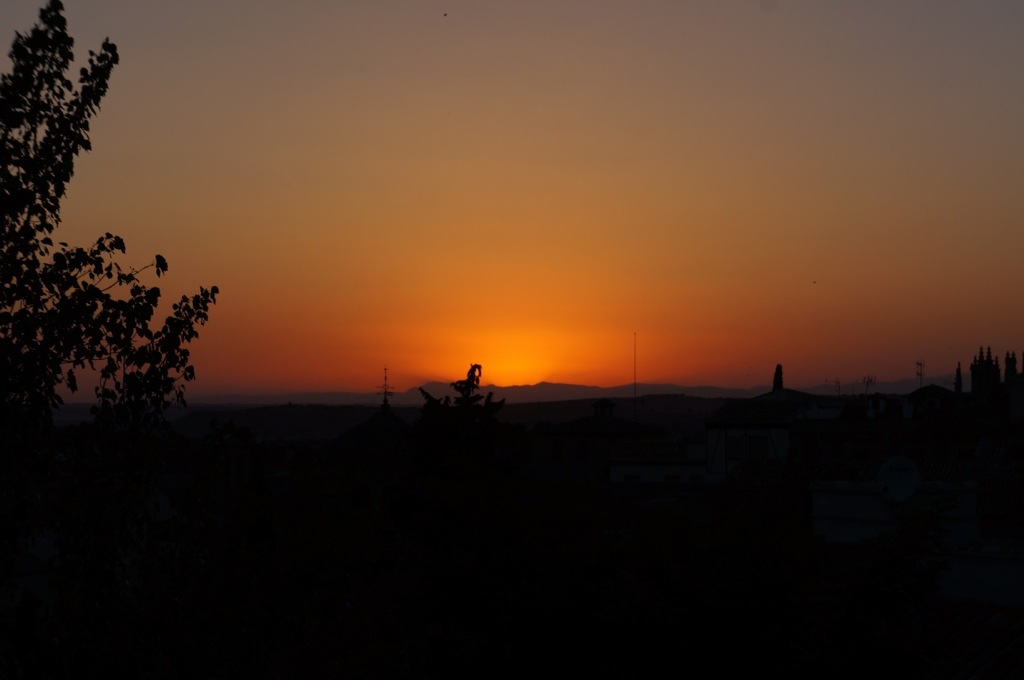
We had a great dinner of tapas and then walked through the streets at night. The city comes alive at night when the blazing sun cools off and the little streets light up. Our hotel had a rooftop overlooking the cathedral so we finished the night with a few pictures from there. It was beautiful! 🙂

20130808-000749.jpg

20130808-000755.jpg

20130808-000811.jpg

20130808-000817.jpg

20130808-000823.jpg

20130808-000802.jpg

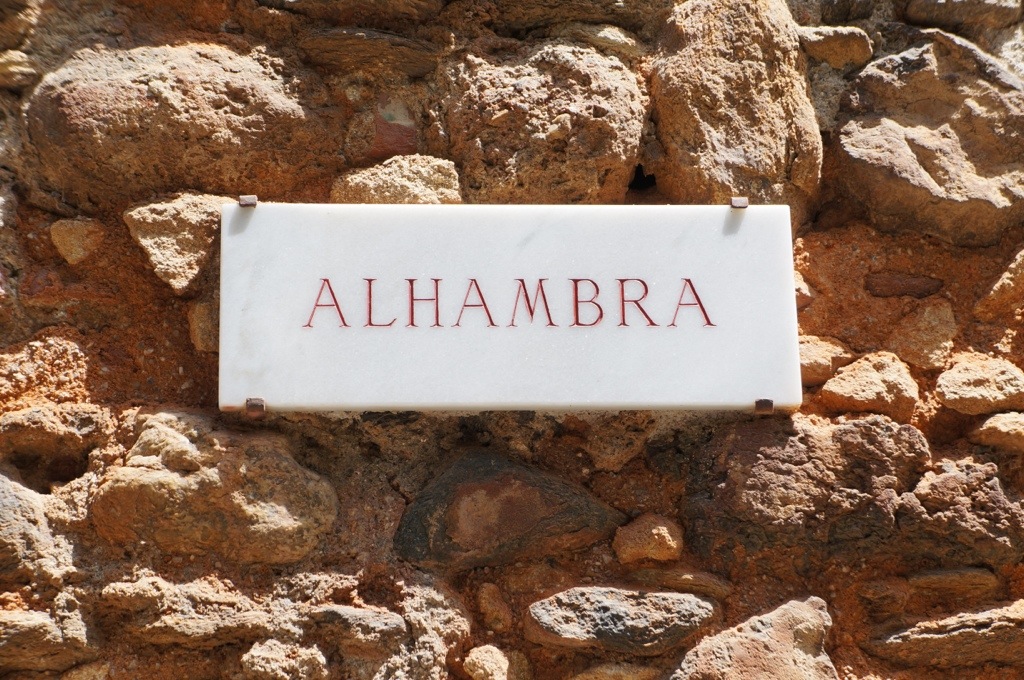
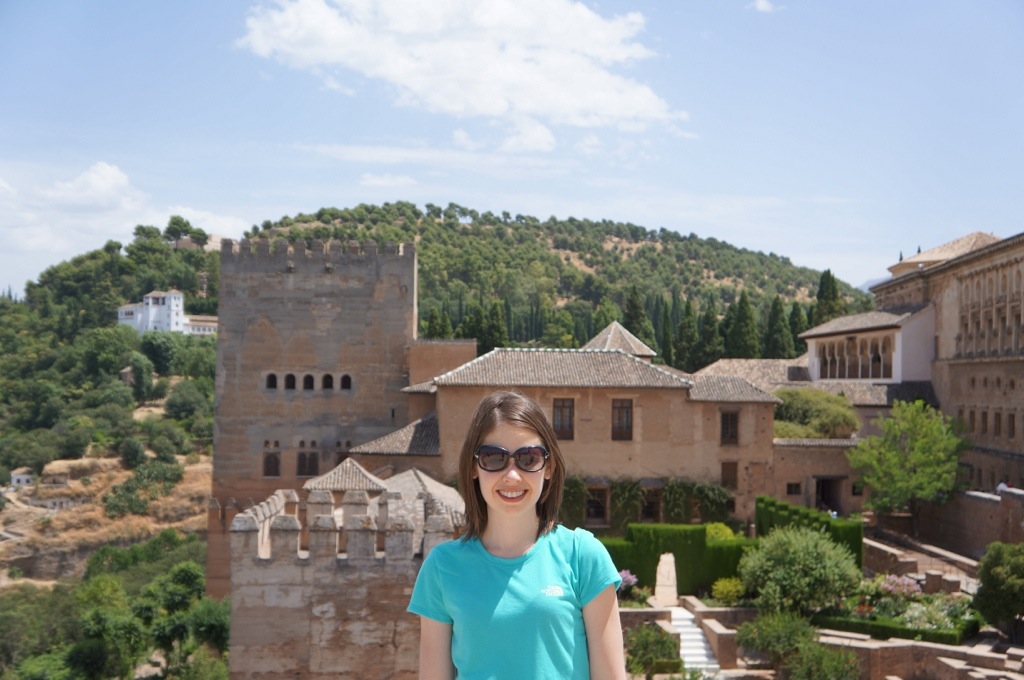
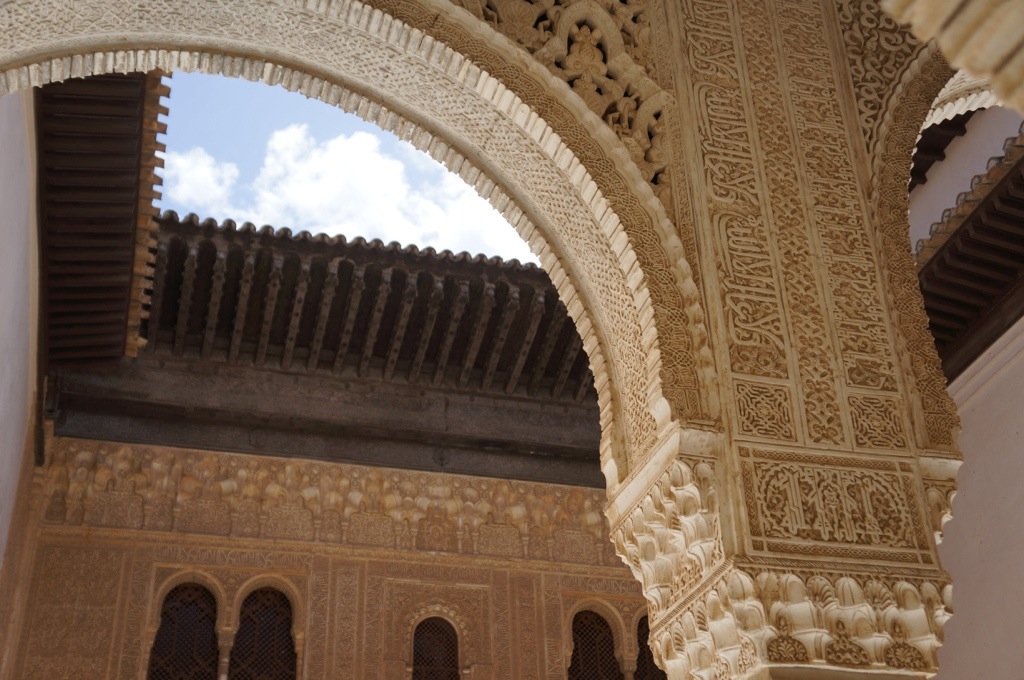
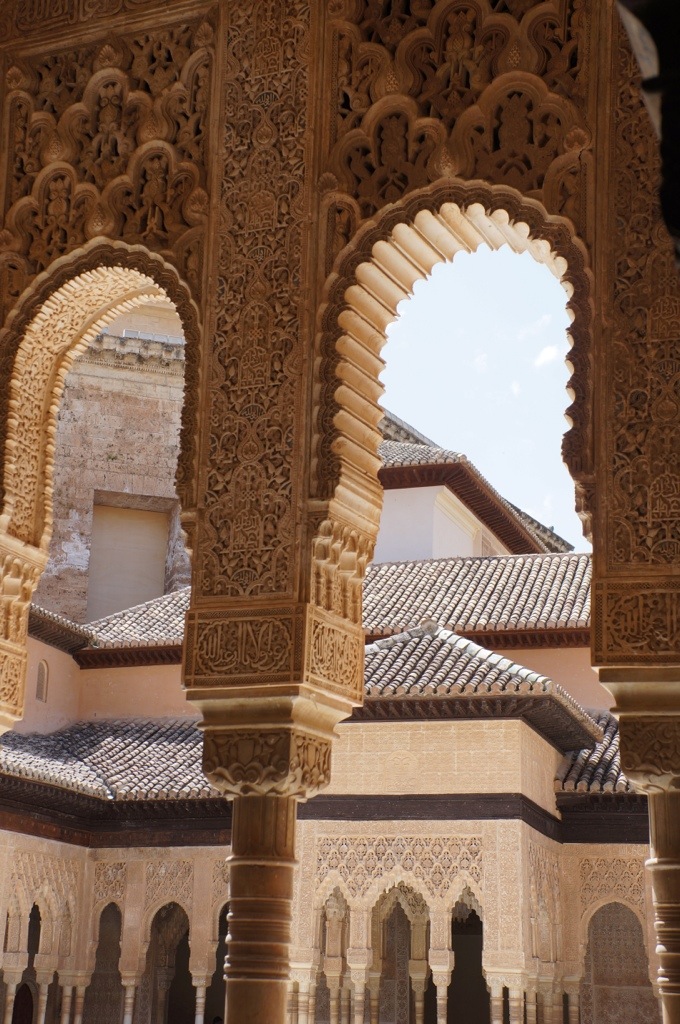
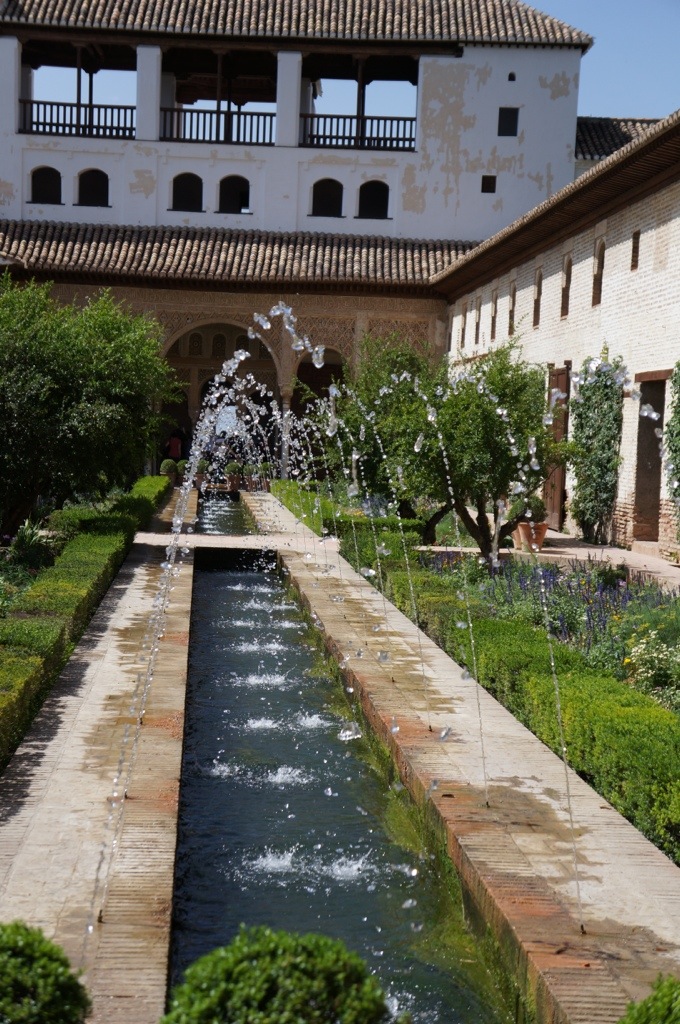
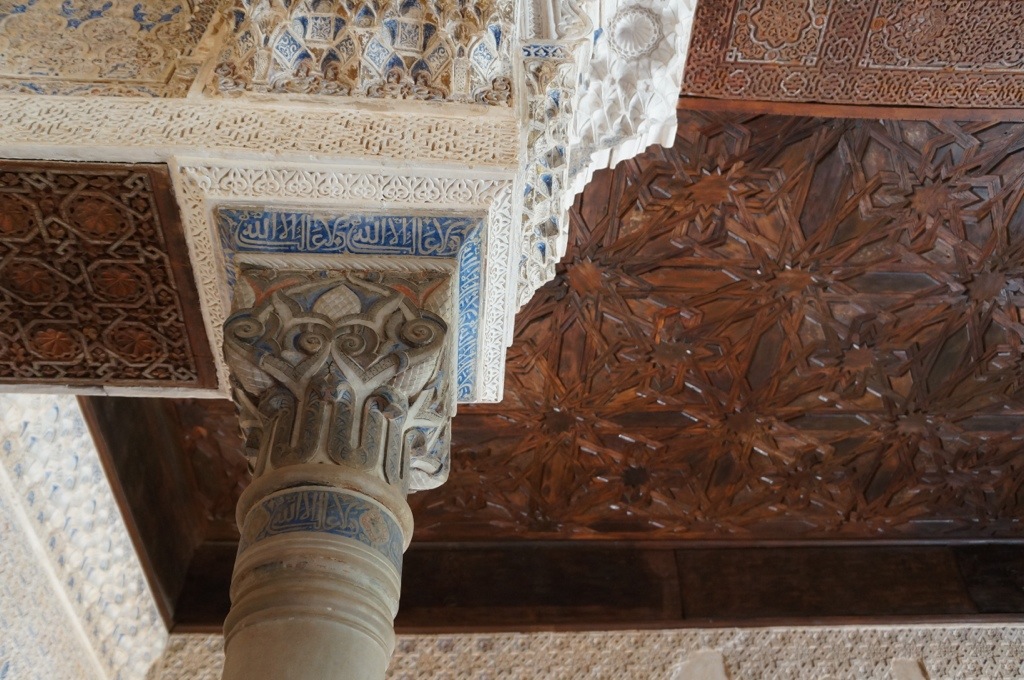
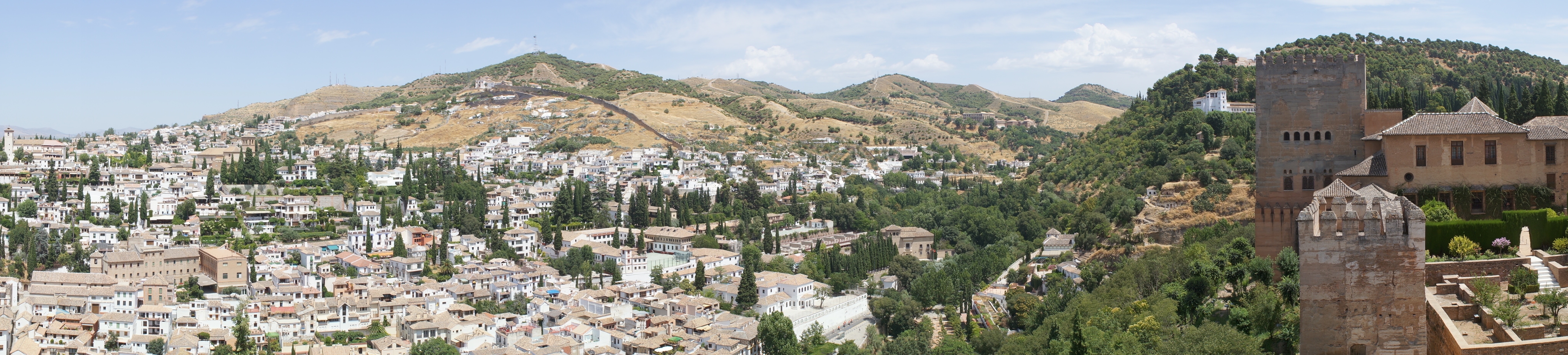
As I am typing this post, we have just finished visiting Granada on our way to Barcelona. In our short time in Granada, we visited the most famous site in the city – The Alahambra. The Alahmbra is a large fortress overlooking the city which was the center of Muslim rule of this area of Spain in the 1200’s-1400’s. In fact, the fortress remained the last hold in the Reconquista and is now a UNESCO World Heritage site.

The fortreess is enormous, and we spent much of the afternoon walking through the palaces as well as visiting gardens which overlooked the city.

20130808-000828.jpg

20130808-000834.jpg

20130808-000851.jpg

20130808-000904.jpg

20130808-000915.jpg

20130808-000921.jpg

20130808-000857.jpg

20130808-000842.jpg

Adios for now!!
Stop 8: Holy Toledo!

Greetings from Toledo!

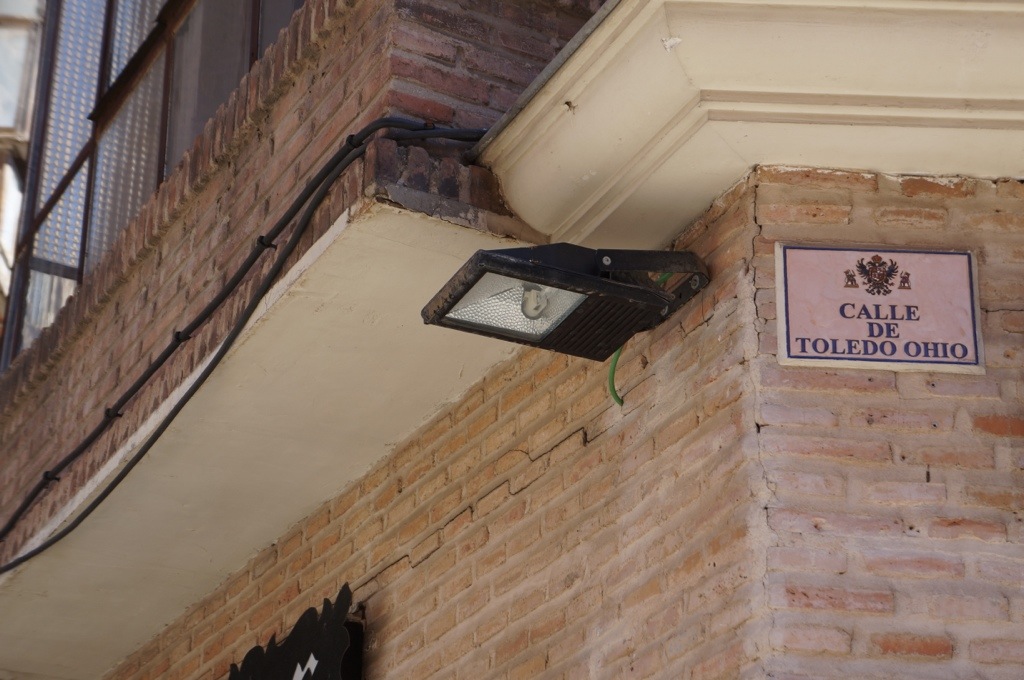
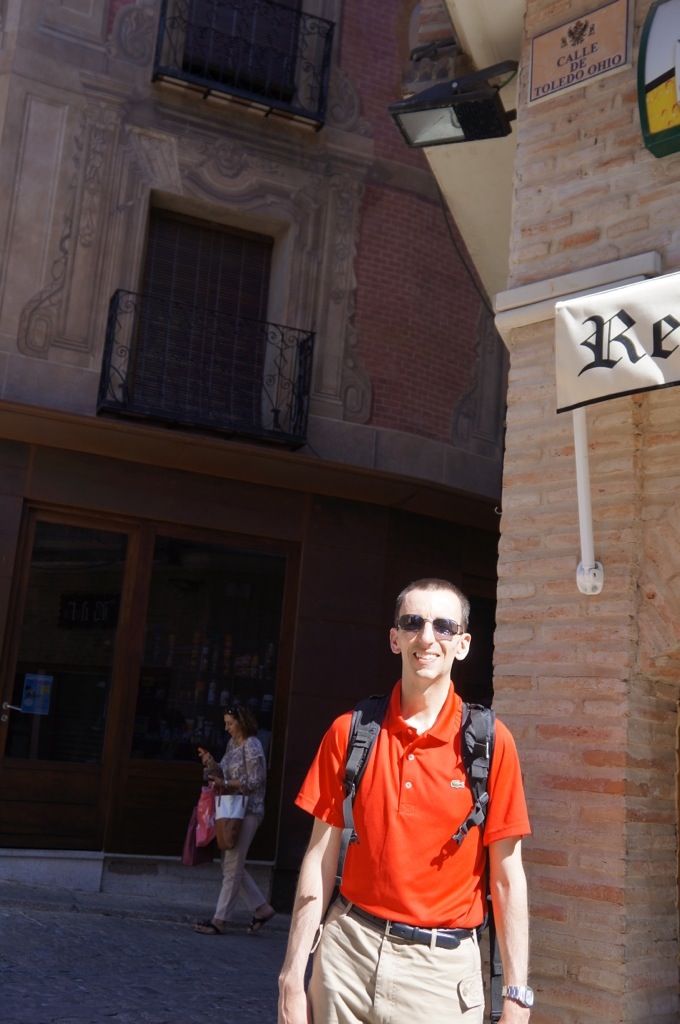
After leaving Madrid, we had a short drive of less than 1 hour to Toledo, Spain. As a native of Northwest Ohio (about 1 hour from Toledo, Ohio), I remember watching a “sister city” feature on the local Toledo TV station in which a few people from Toledo, Ohio, went to Spain so it was neat to see the city in person. In fact, we noticed “Calle de Toledo Ohio” (Toledo Ohio Street) about 1 block from our hotel. Additionally, one of the shop employees that had to look at my driver’s license for a purchase asked if I lived near Toledo, Ohio.

20130804-005231.jpg

20130804-005457.jpg

After seeing the city, however, I see very few similarities between the two cities other than the name. 🙂

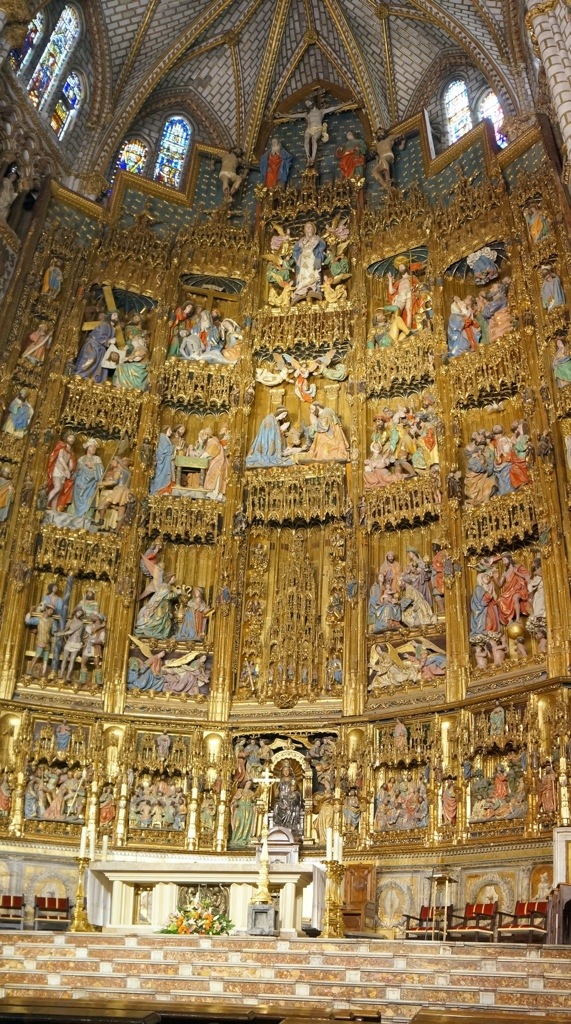
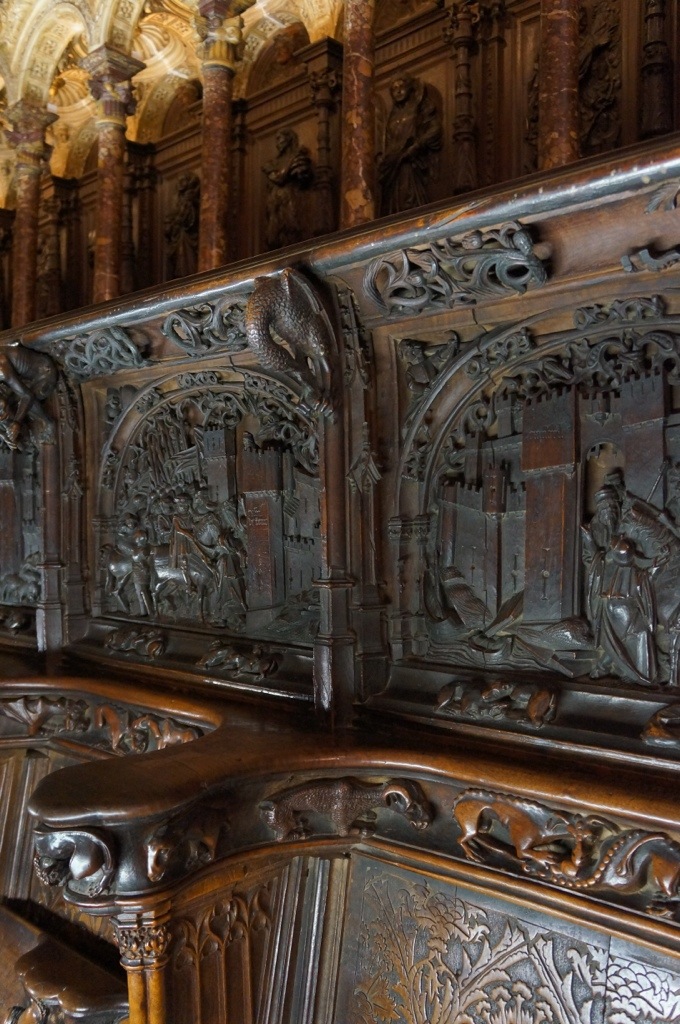
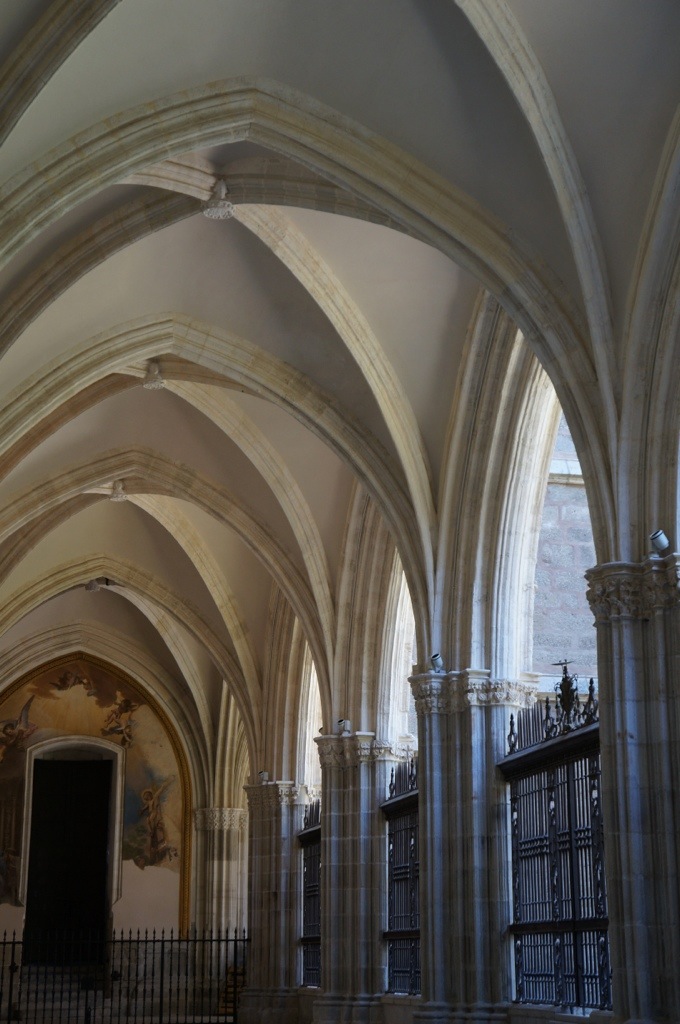
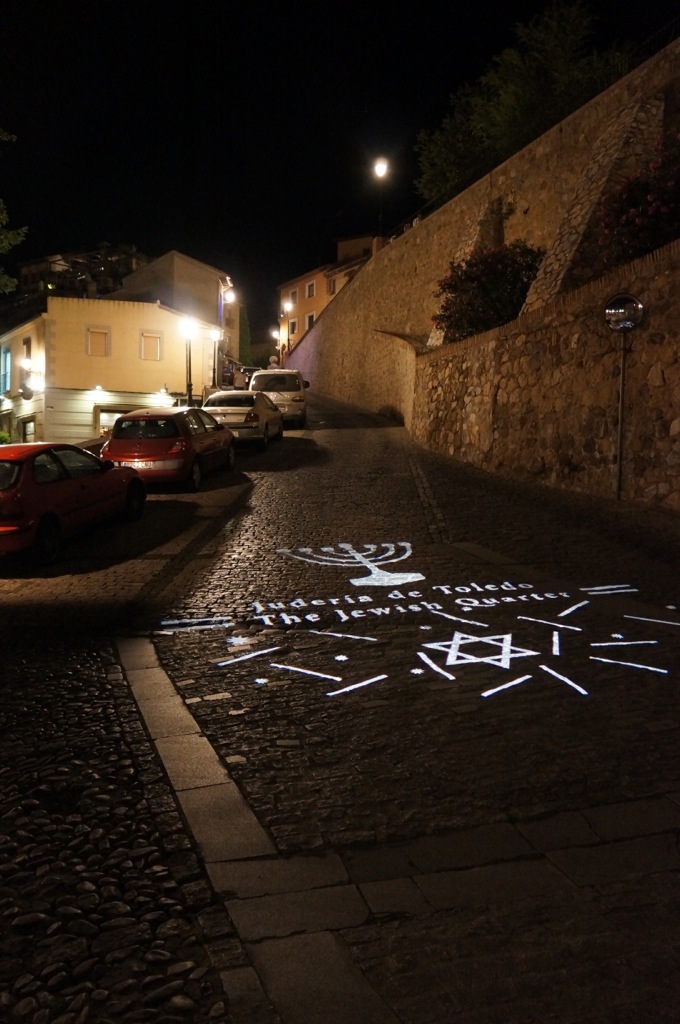
Our first stop was to see the Cathedral of Toledo which has a very interesting history. The first church on the site of the present day cathedral was founded in the 1st century by Christians and then changed to a mosque during the Moor occupation. This original building was destroyed and then the current cathedral was built over a 200 year period. There are multiple architectural styles and cultural influences in the cathedral. Toledo was one of the only Spanish cities where Christians, Moors, and Jews lived (more or less) peacefully together. The separate quarters of the city are still visible today.

20130804-005559.jpg

20130804-005611.jpg

20130804-005618.jpg

20130804-005627.jpg

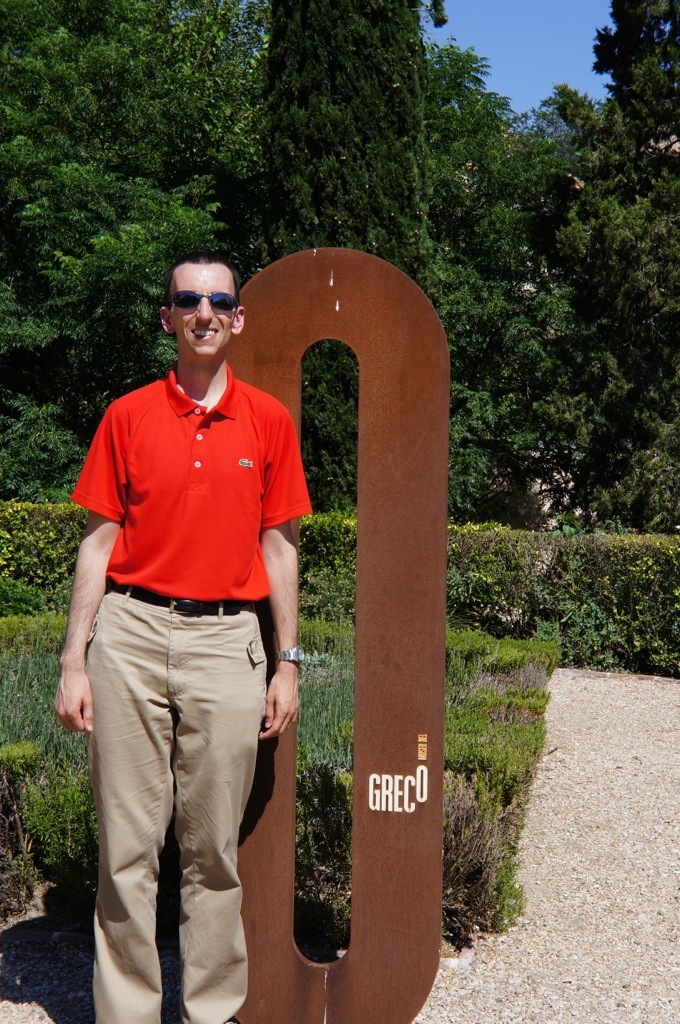
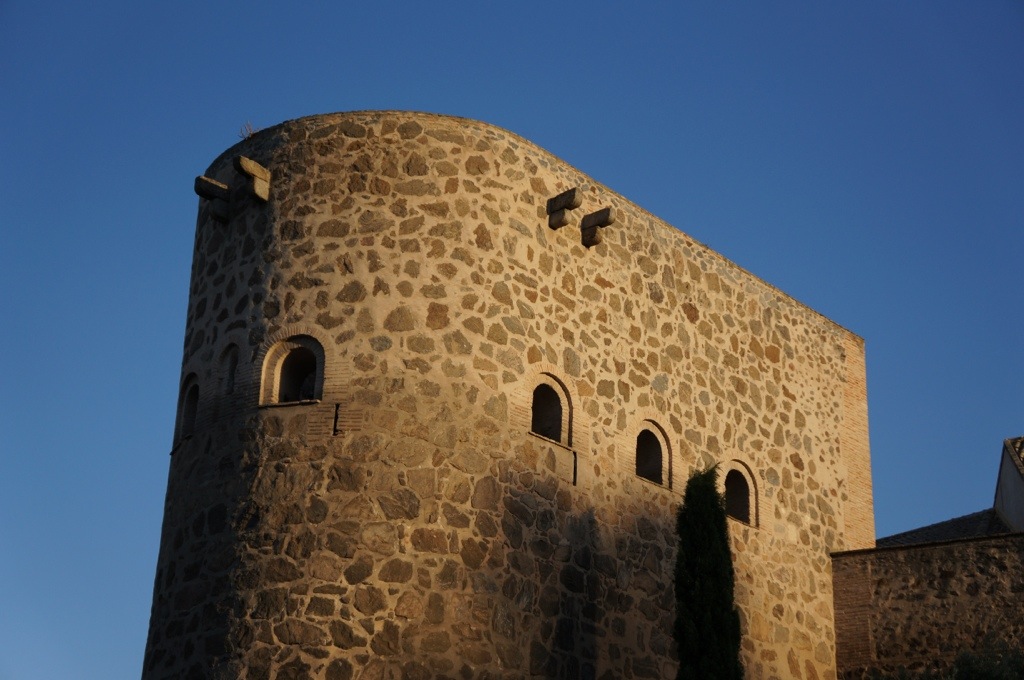
We spent the rest of the day wandering the narrow, crooked streets. We visited the city gate, more churches, and the El Greco museum. El Greco painted several major Spanish masterpieces. The museum provided a look at both original El Greco paintings and provided an idea of how a Spanish home would have looked in Toledo.

20130804-005753.jpg

20130804-005802.jpg

20130804-005810.jpg

20130804-005819.jpg

Famous El Greco Painting of Jesus Christ
20130804-005828.jpg

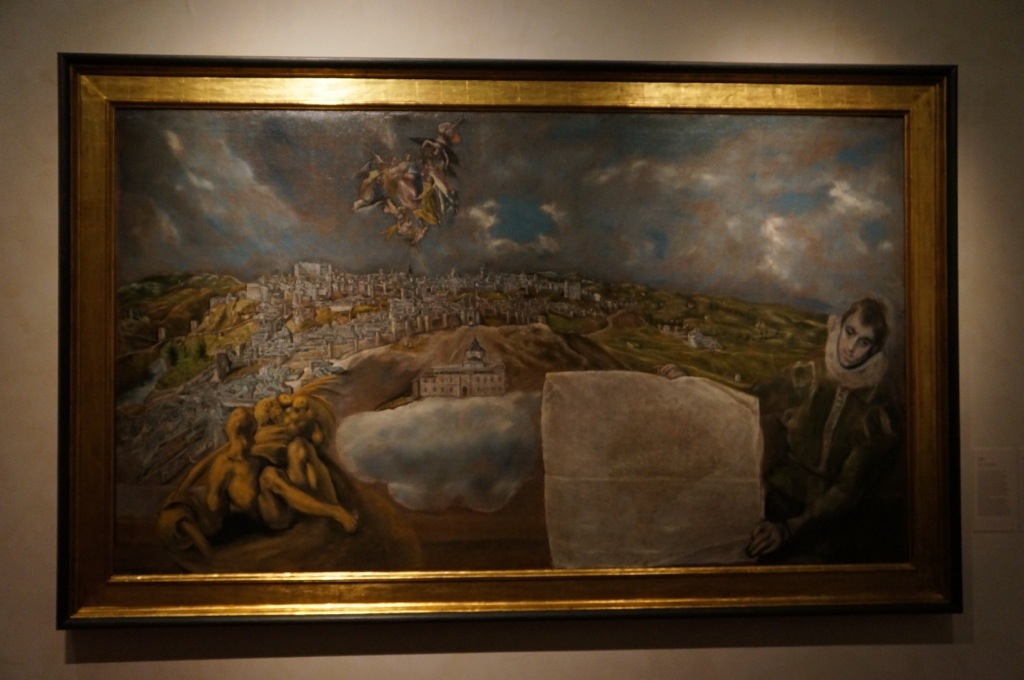
El Greco Painting of the overlook of Toledo – looks similar to some of our pictures!
20130804-005834.jpg

20130804-005848.jpg

20130804-005854.jpg

20130804-005902.jpg

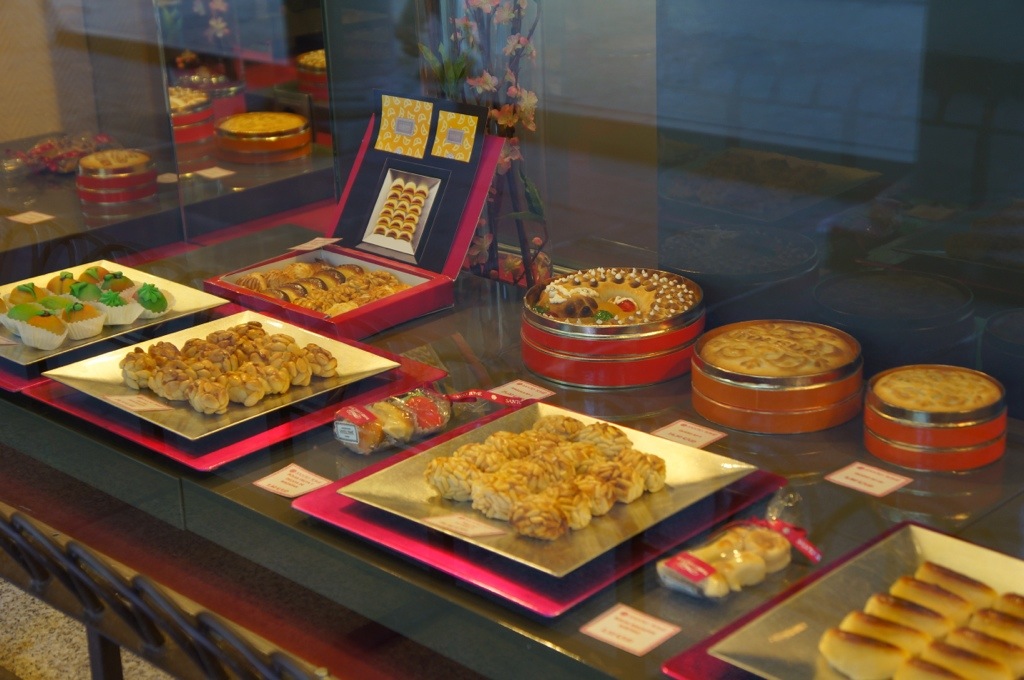
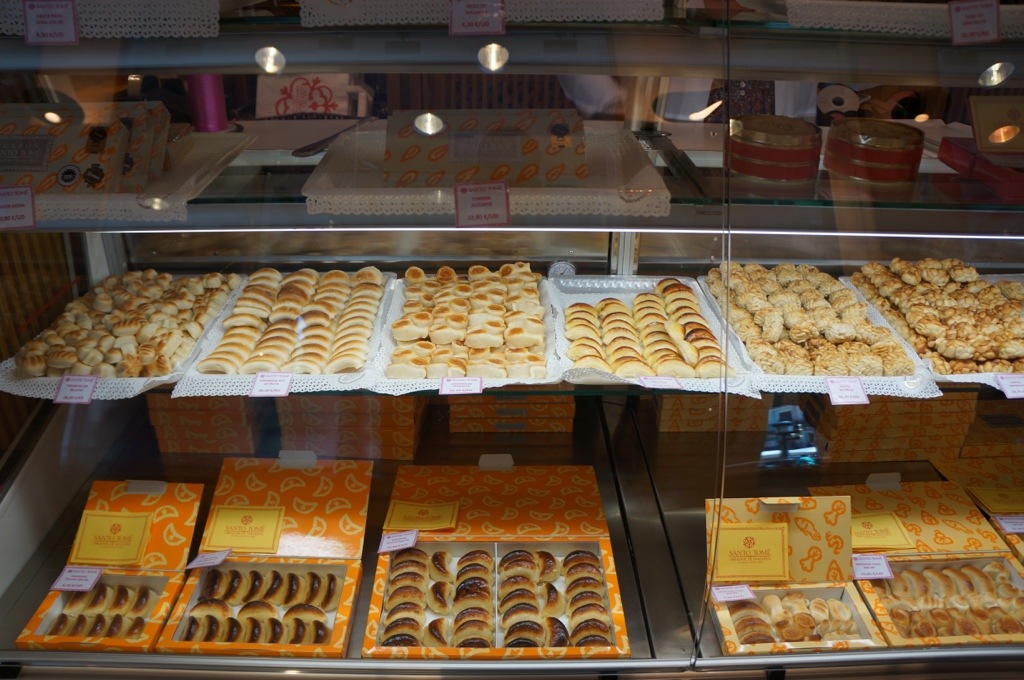
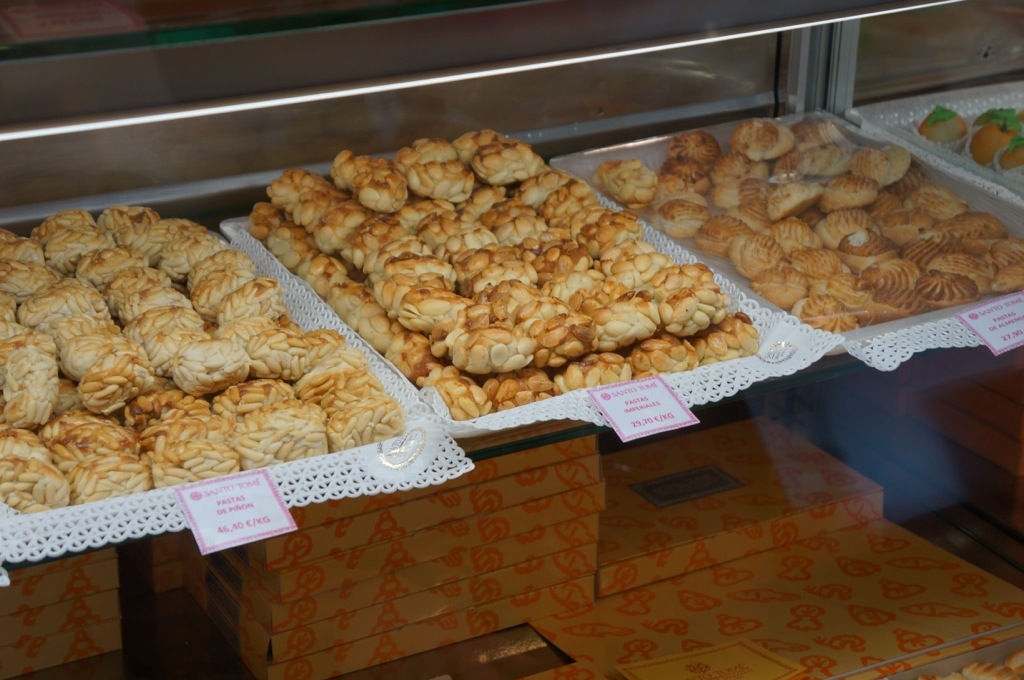
On our walk around the city, we had Toledo’s signature dessert – marzipan which is made primarily of almond paste and sugar. While we often see marzipan as a filling to chocolates in the US, it is eaten on its own either plain or with filling in Toledo.

20130804-010300.jpg

20130804-010313.jpg

20130804-010319.jpg

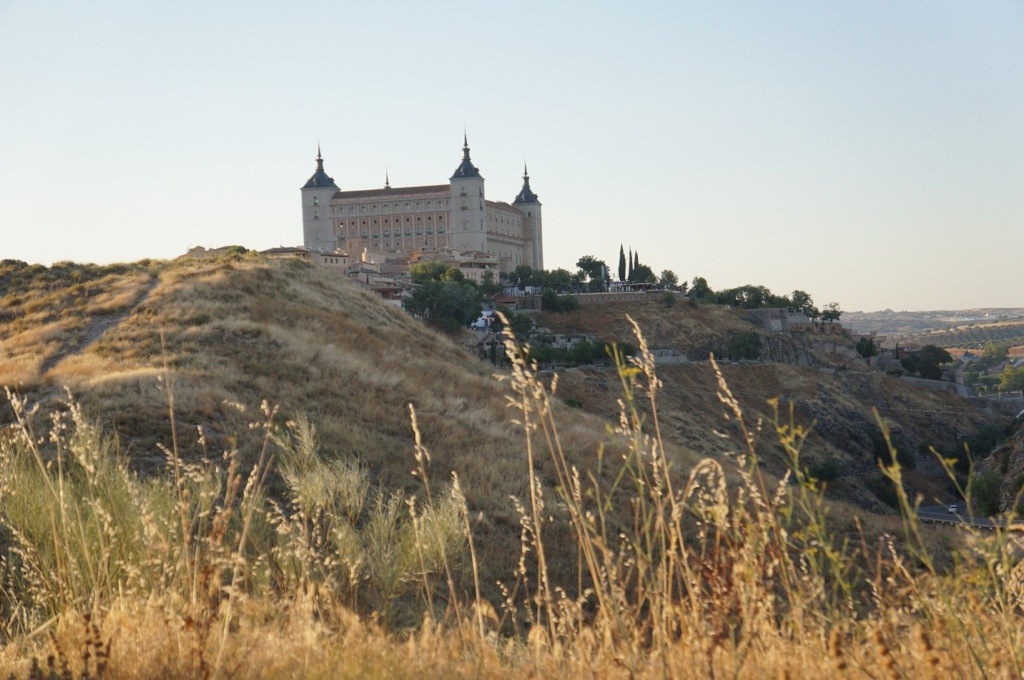
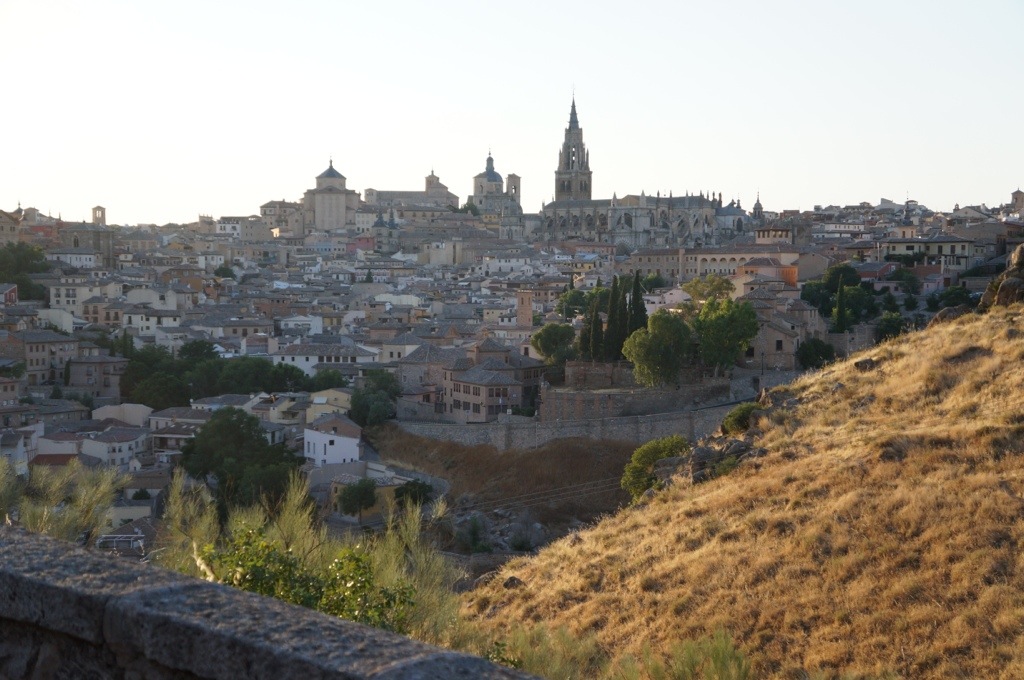
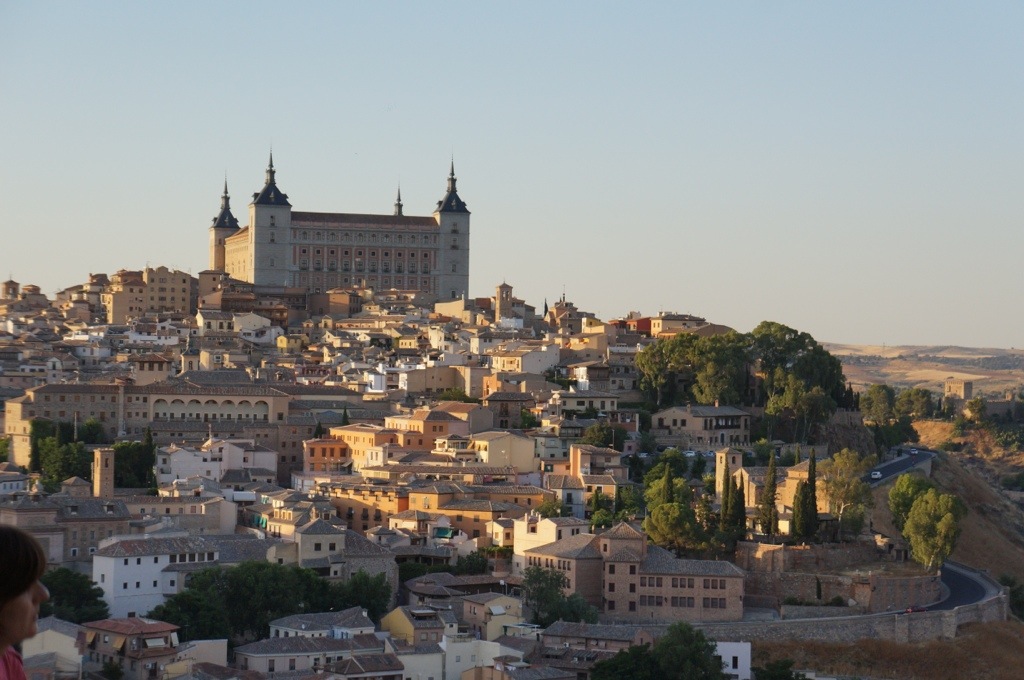
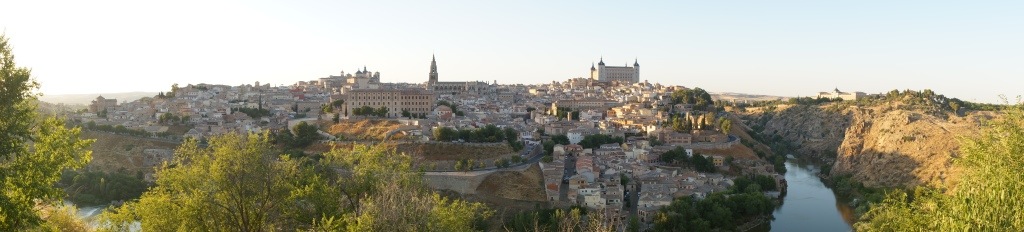
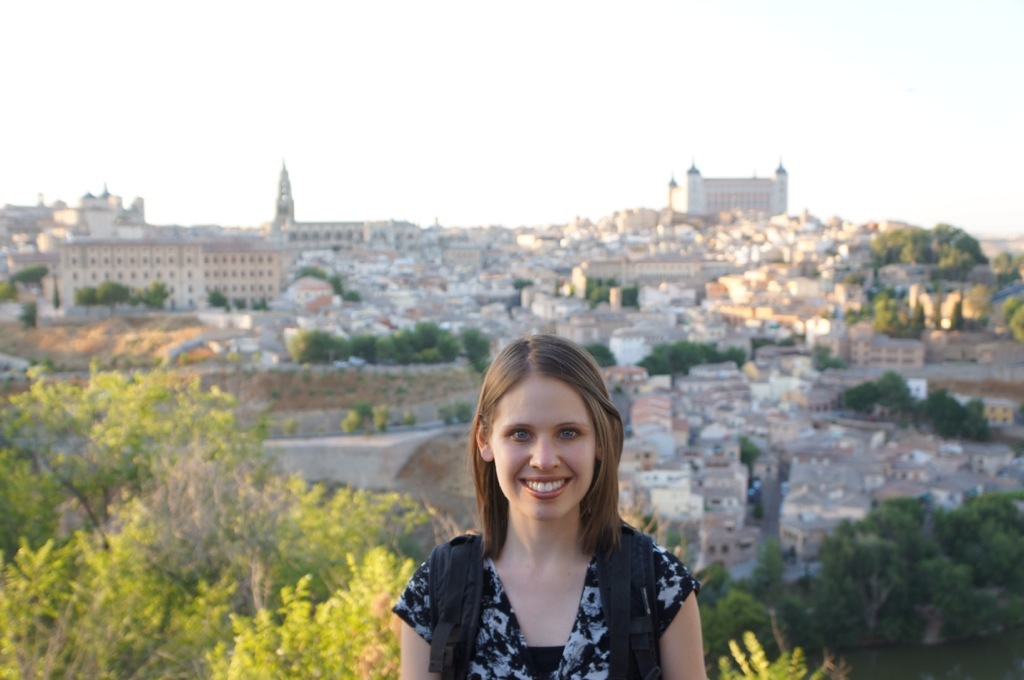
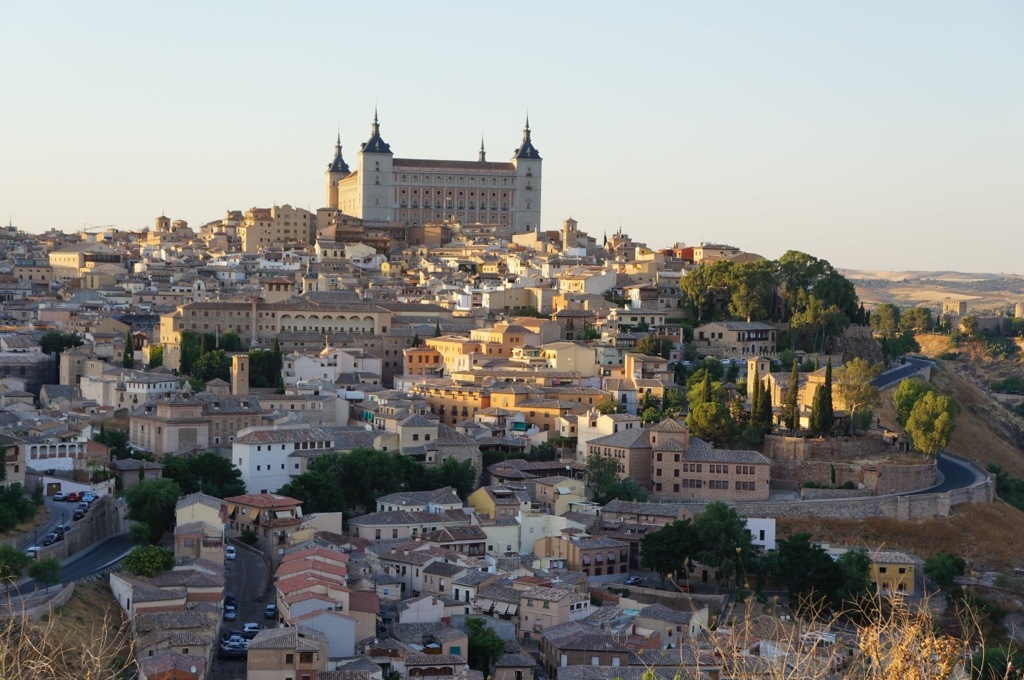
We also went outside the walls of the fortified portion of the city to see an incredible view back over the city. We had a wonderful dinner at 10 PM (and people were still coming into the restaurant to be seated as we finished dinner!) which again included gazpacho, hake fish (very common), and ham-based dishes. It was very good!

20130804-010426.jpg

20130804-010433.jpg

20130804-010441.jpg

20130804-010450.jpg

20130804-010456.jpg

20130804-010505.jpg

20130804-010515.jpg

20130804-010524.jpg

20130804-010531.jpg

20130804-010537.jpg

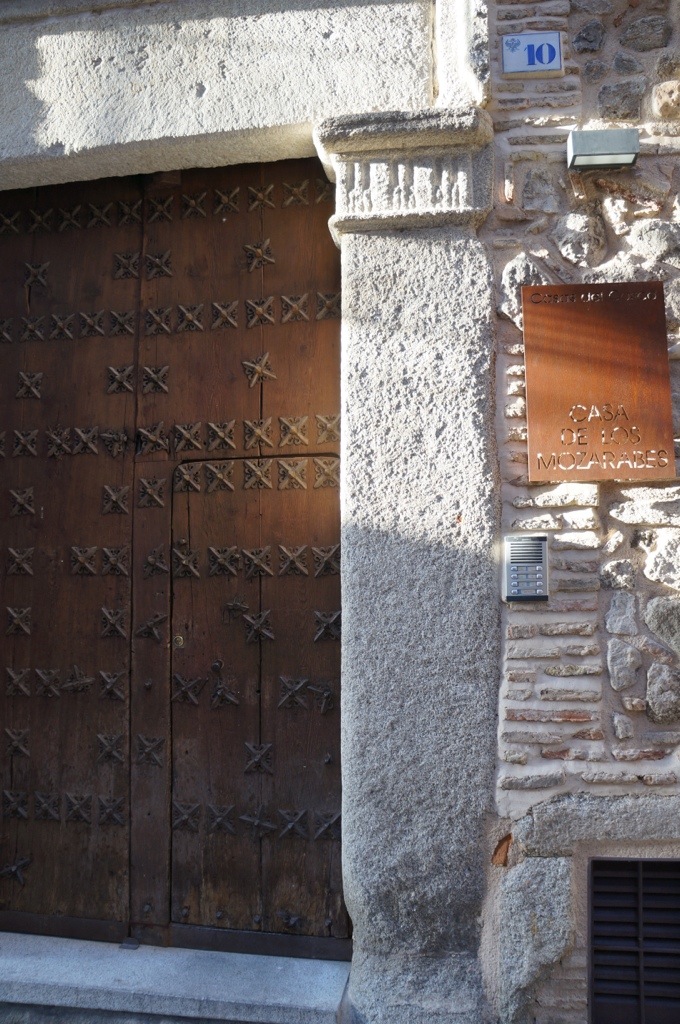
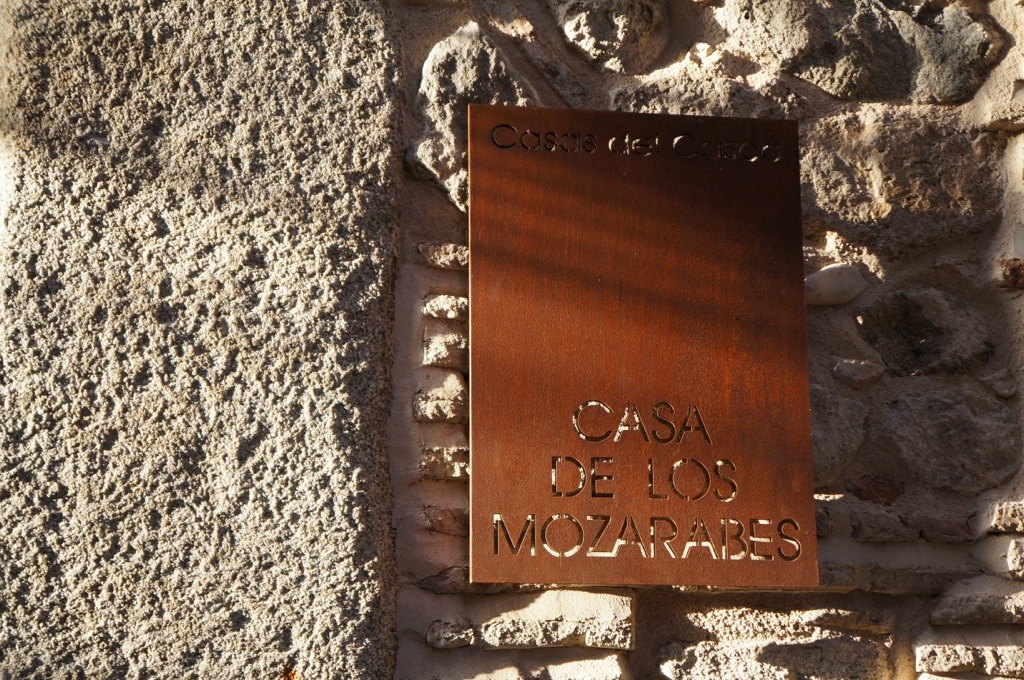
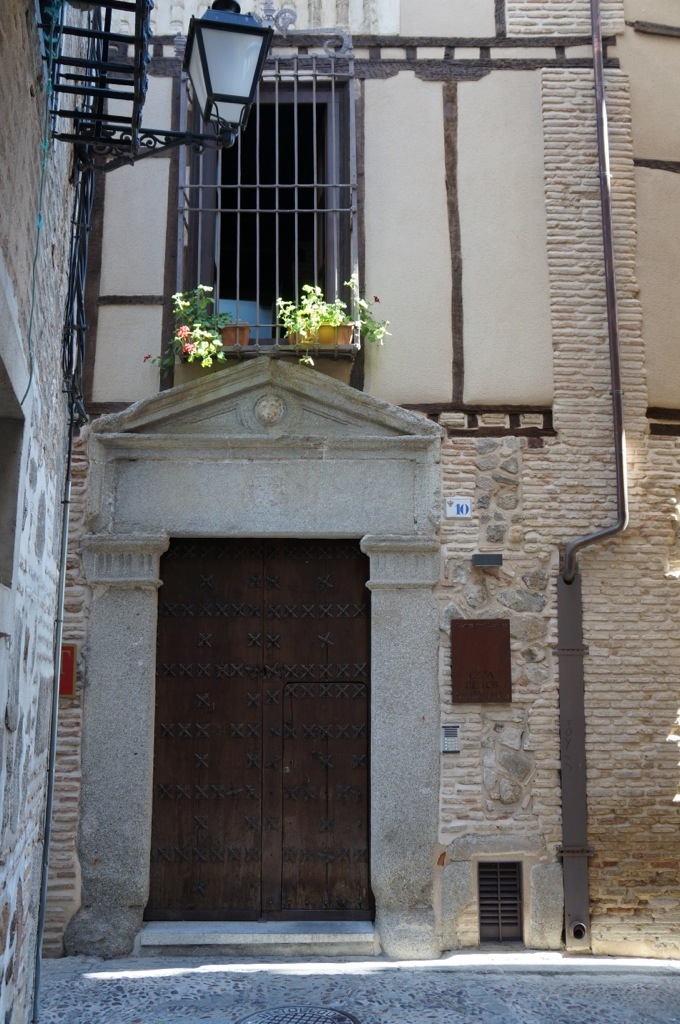
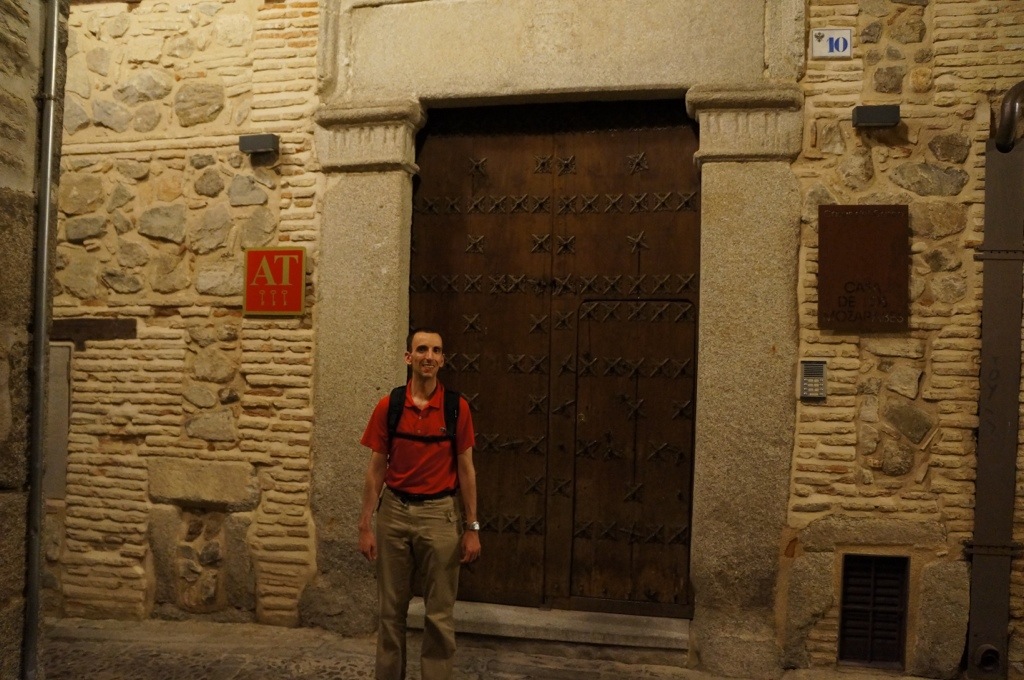
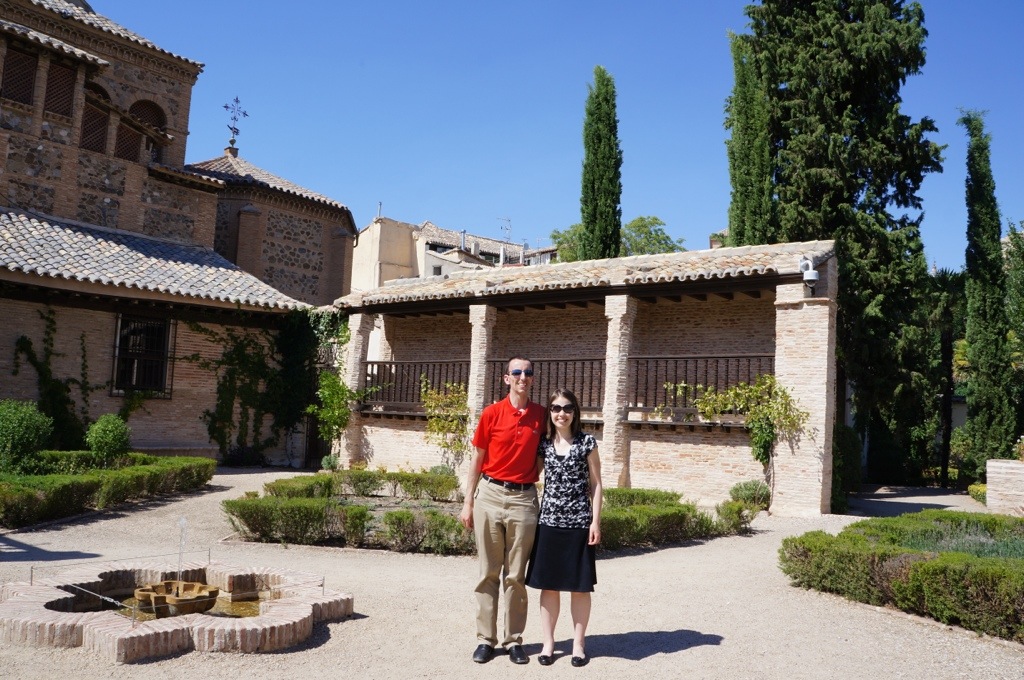
Emily found a very interesting place to stay located on a pedestrian-only walkway right in the middle of Toledo. It was actually a hotel consisting of small apartments in a historic building that has recently been completely restored into a modern, new space. It was great being so close to everything so we could easily swing by for some air conditioning after a very hot afternoon.

20130804-010807.jpg

20130804-010817.jpg

20130804-010824.jpg

20130804-010836.jpg

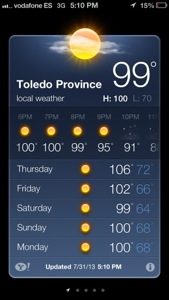
It only got to 99 degrees
20130804-010913.jpg

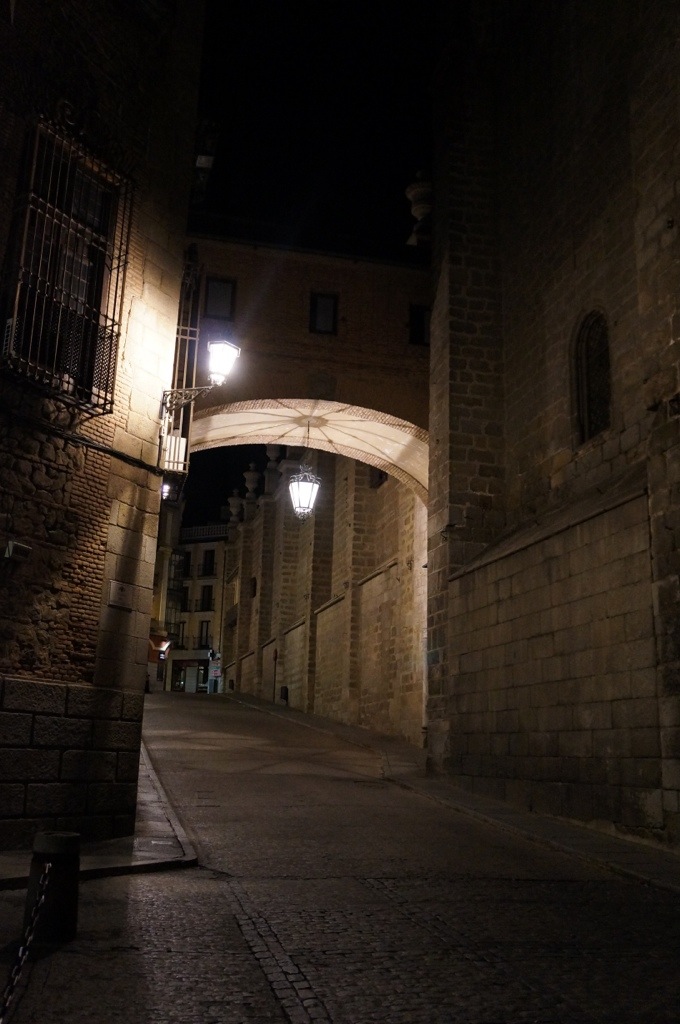
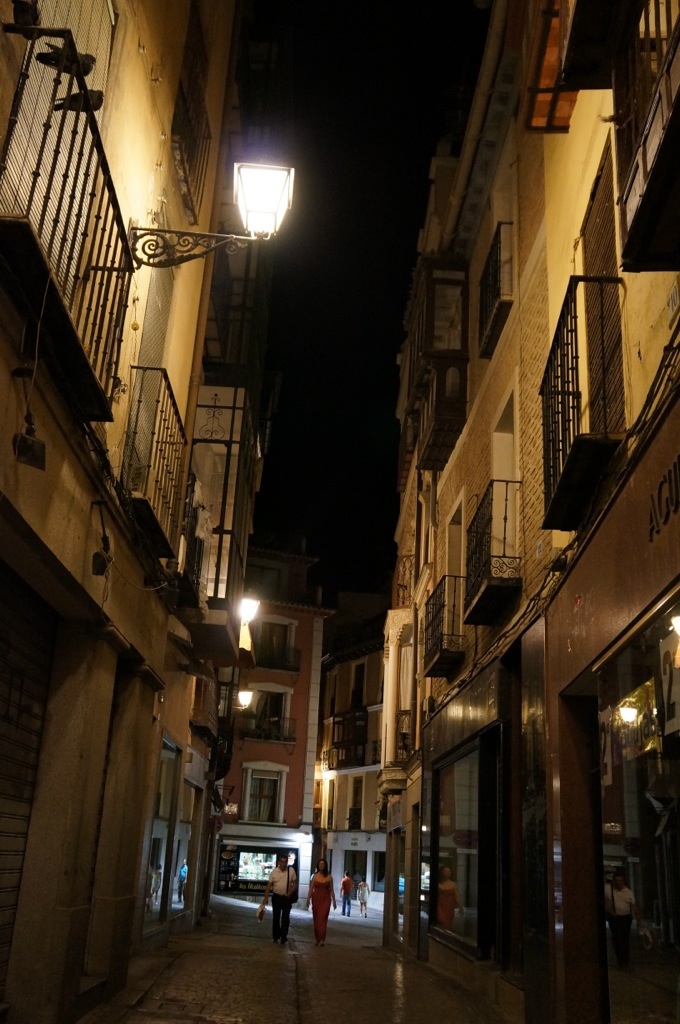
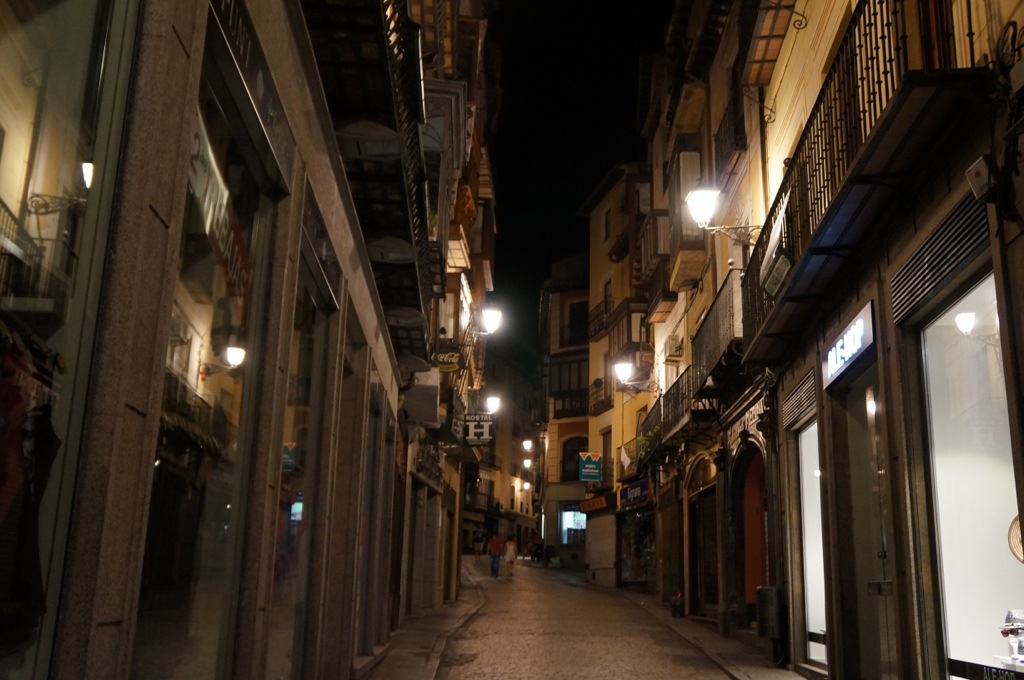
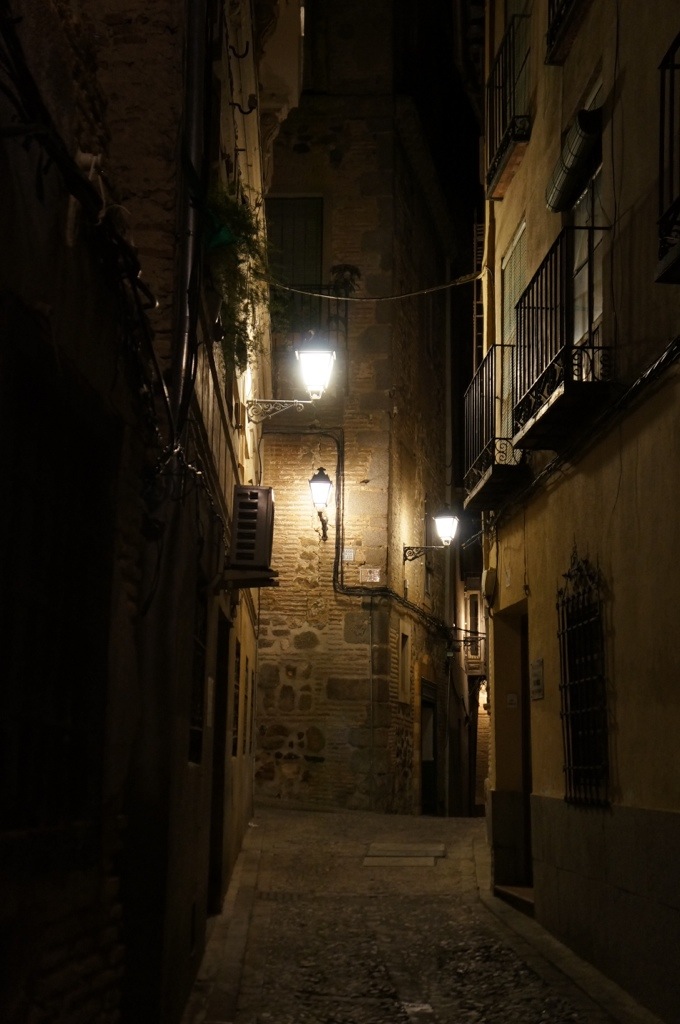
Views of the city at night
20130804-011011.jpg

20130804-011017.jpg

20130804-011041.jpg

20130804-011047.jpg

20130804-011056.jpg

20130804-011102.jpg

20130804-011107.jpg

20130804-011112.jpg

We’ve also enjoyed lots of local produce for breakfast and lunch. Peaches are in season, and there are oranges from Valencia which are very sweet. It was an interesting experience shopping in the market in Madrid (we didn’t exactly understand you had to weigh your fruit and add a tag to it before waiting in a line of about 20 people deep… now we know! ;)).

Adios for now!

Stop 7: Madrid

Hola!

We have spent the last couple of days in Madrid and have had a great time!

Our first experience in Madrid was to park in the tightest parking garage I have ever been seen. It is a good thing my Dad (who just happened to be my driver’s ed instructor too :)) spent a lot of time on maneuverability with me! Thanks, Dad!

We spent the first afternoon at two fantastic art museums – Thyssen-Bornemisza and the Prado. Both museums were very interesting, and we were even able to schedule around a free viewing day!

20130801-235710.jpg

We also went to gardens behind the Prado and caught some nice pictures of flowers!

20130801-235719.jpg

20130801-235724.jpg

We had a fantastic lunch on an outdoor terrace nearby the Prado at 3 PM. Yes, people eat very late in Spain. Lunch often runs 2-3:30 and dinner from 8-10! Our stomachs haven’t quite adjusted so our 3 PM lunch was big enough and late enough to cover both lunch and dinner! 🙂

20130801-235614.jpg

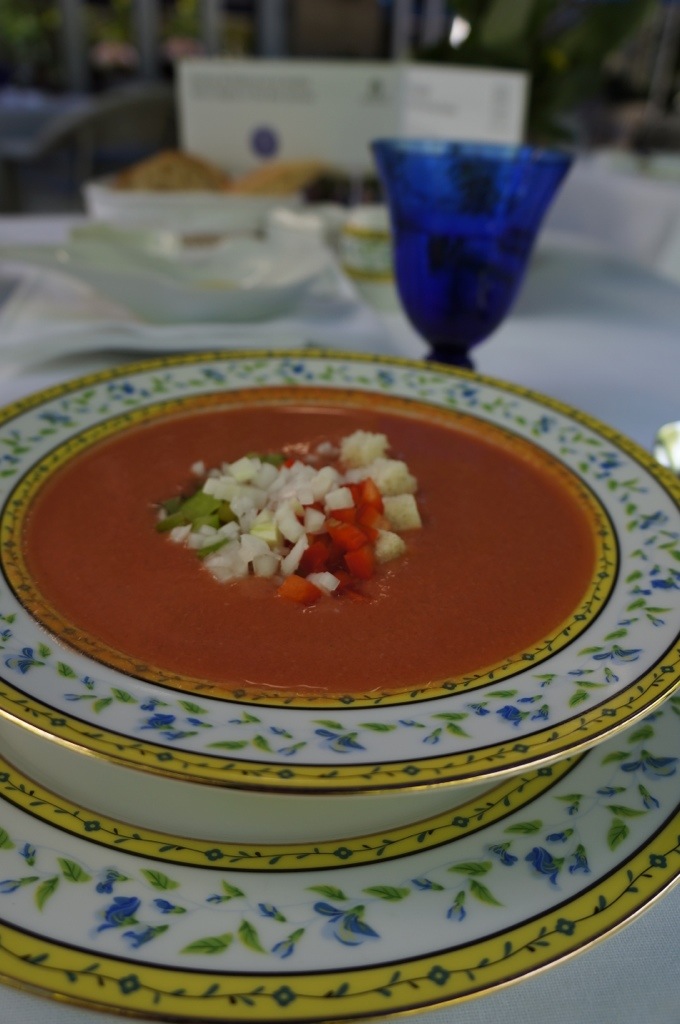
Classic Gazpacho – Served Cold on a Warm Day!
20130801-235623.jpg

20130801-235628.jpg

20130801-235638.jpg

20130801-235645.jpg

20130801-235652.jpg

20130801-235700.jpg

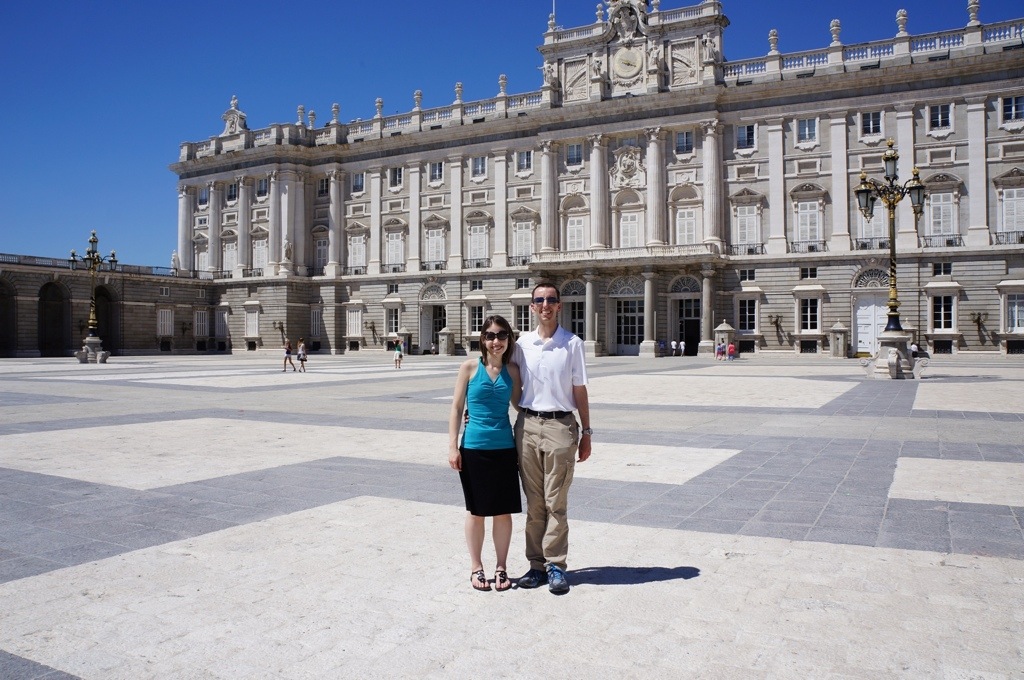
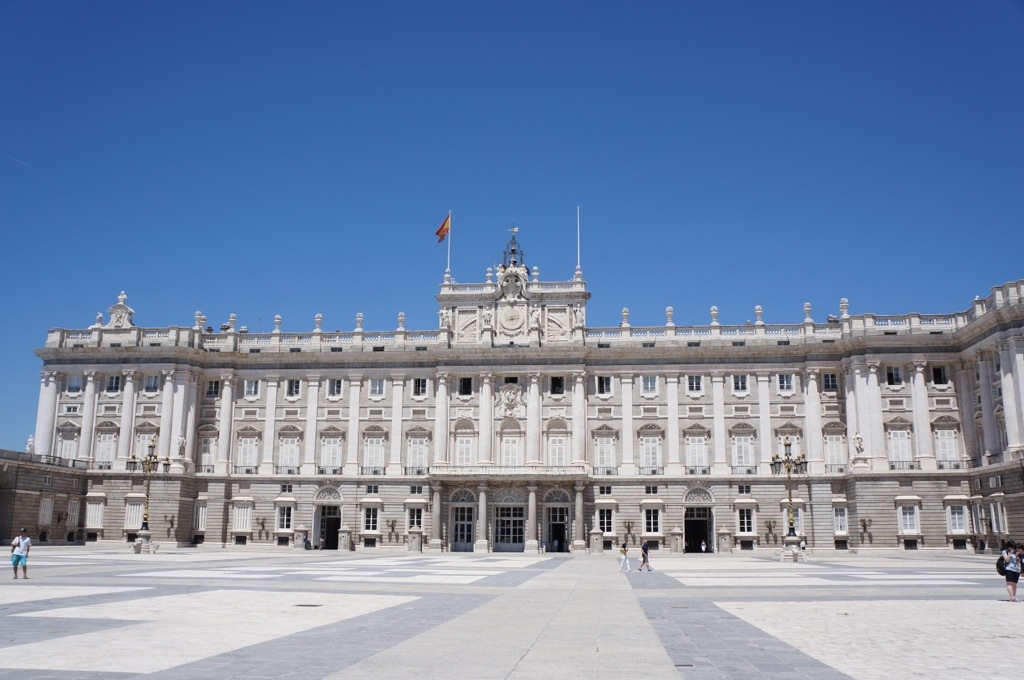
Our next day in Madrid, we had lunch in a lovely plaza and visited the Royal Palace which has some of the most ornate rooms I have ever seen. Unfortunately no cameras were allowed inside so you’ll only get to see the outside photos 😦

20130801-235812.jpg

Paella – Chicken and Rabbit!
20130801-235819.jpg

20130801-235501.jpg
20130801-235825.jpg
20130801-235806.jpg
20130801-235759.jpg

We had a delightful afternoon as we stopped into a very local cafe for water and had a fun chat with the cafe owner in broken spanish (definitely dusting off the cobwebs from high school language classes!). It was neat to see that even with a simple order for waters, customers were offered small slices of bread with different spreads. The cafe owner even brought over slices of cured ham – a Spanish tradition.

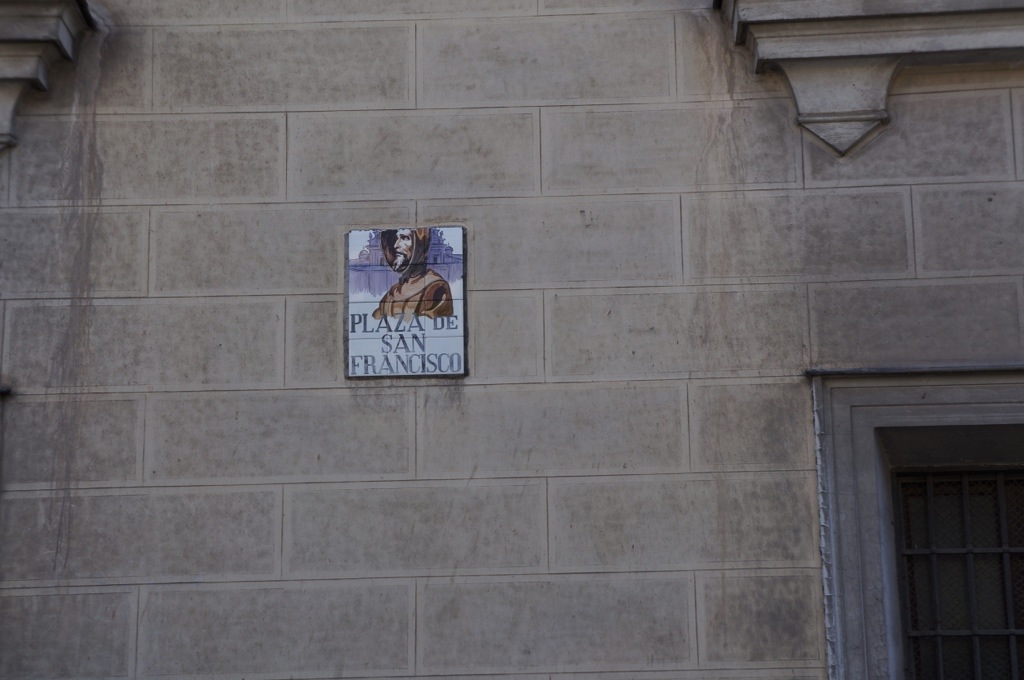
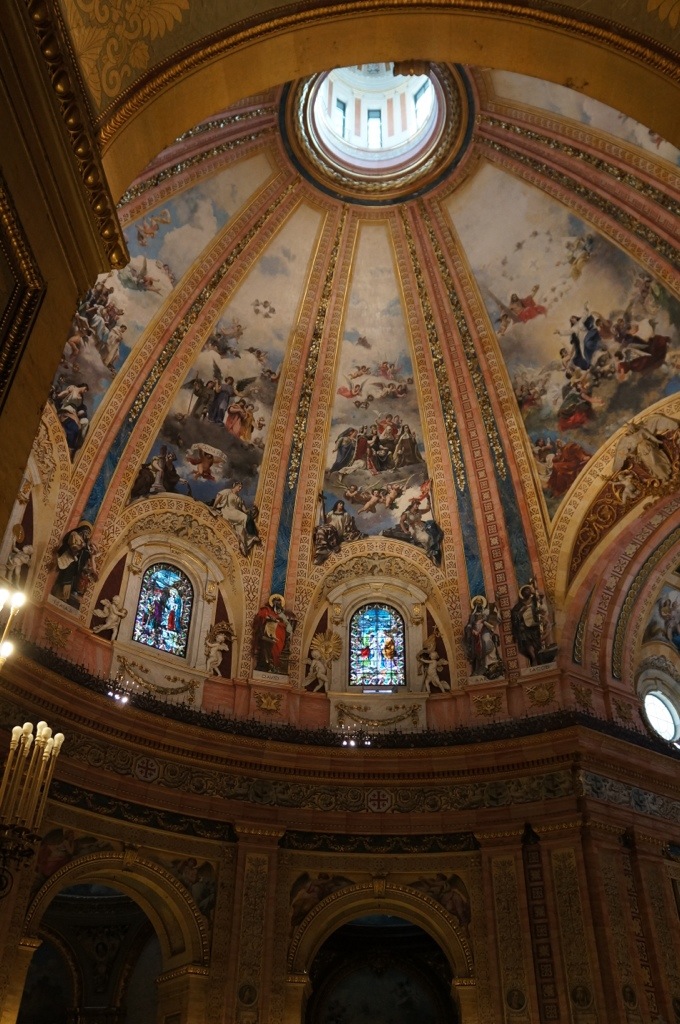
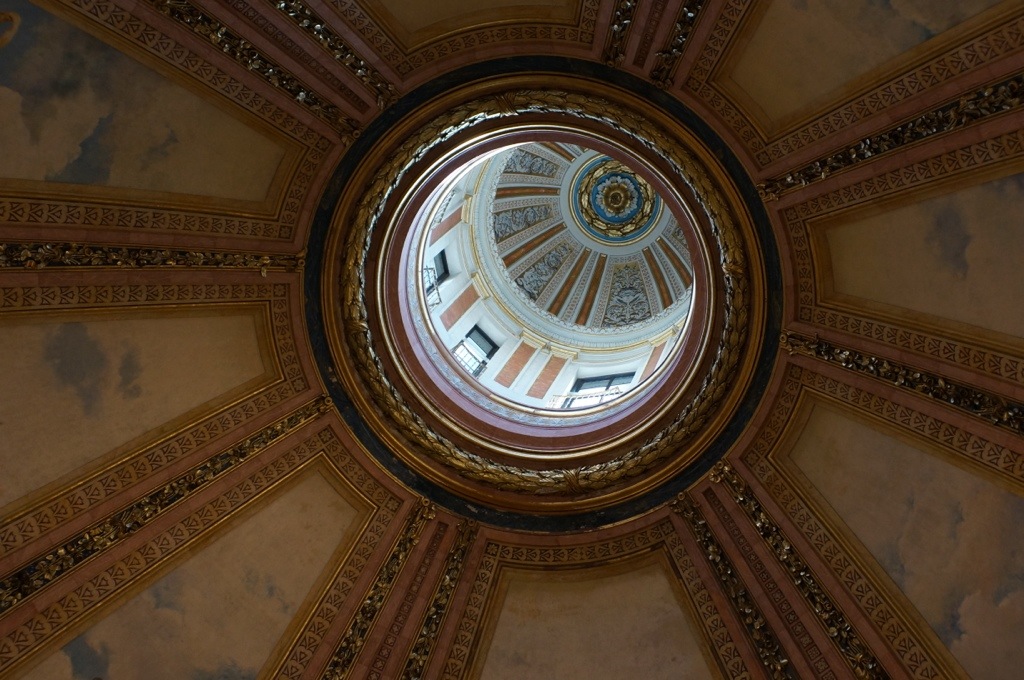
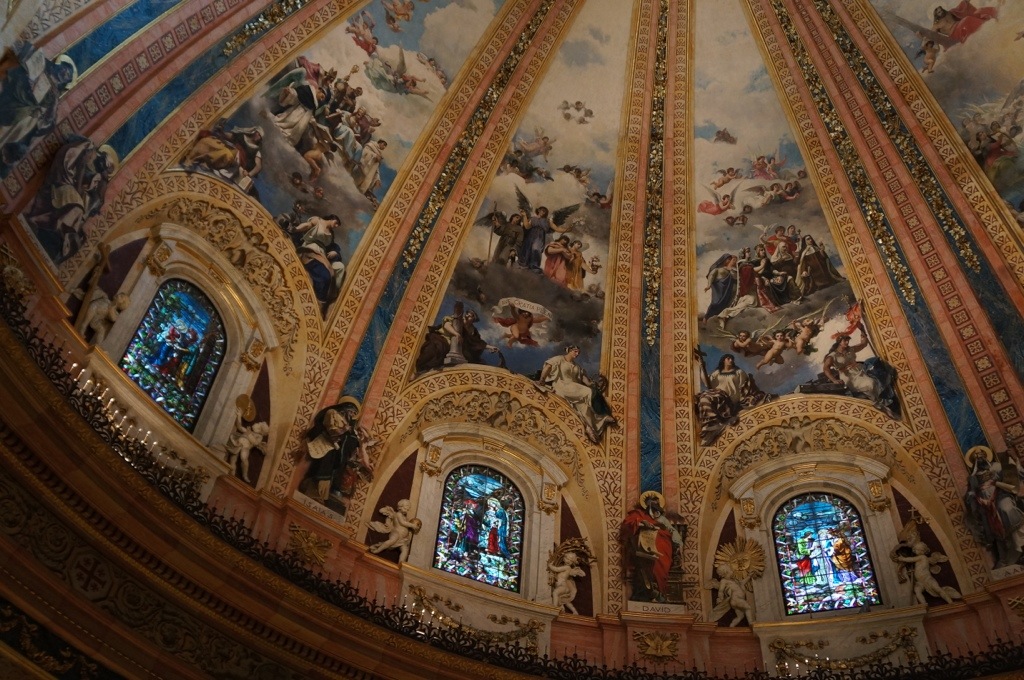
Next up, we visited Basilica San Francisco Grande which was incredible. The entire tour was in Spanish so we caught only about 20% of it, but the dome was incredible as was the entire inside of the church. Wow!

20130801-235831.jpg
20130801-235842.jpg

20130801-235850.jpg

20130801-235837.jpg
20130801-235859.jpg

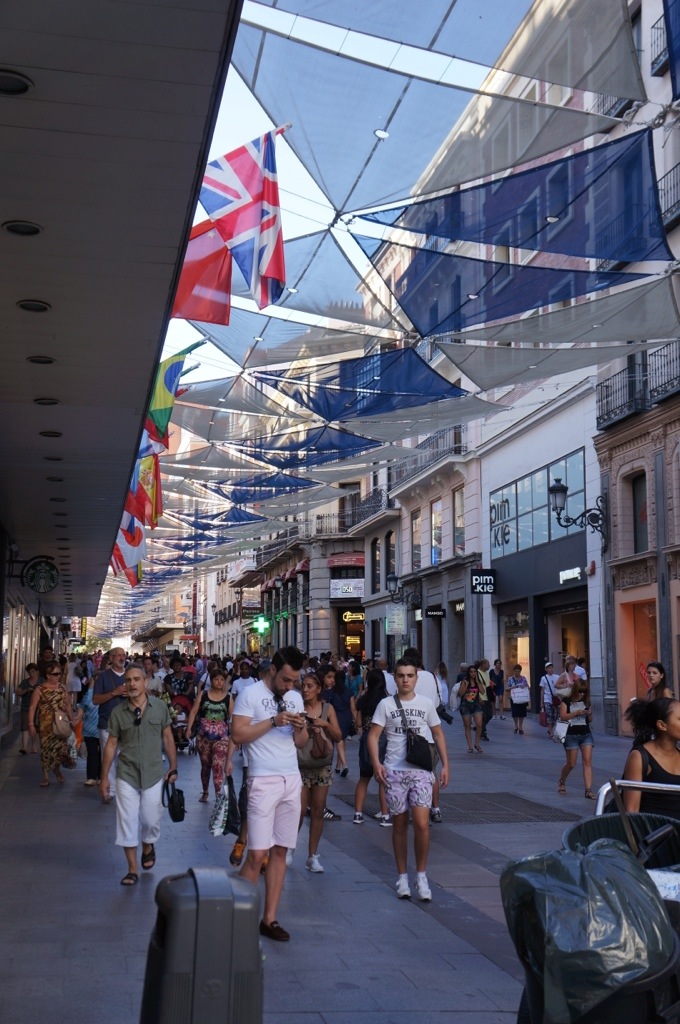
It’s normally very hot in Madrid (105+ degrees) in the summer due to Madrid’s location on high inland plateau. This location results in really hot summer and quite cold winters for this part of Europe. We have been quite fortunate with temperatures between 85-95 degrees in Madrid but have felt the true Spain summer heat in Toledo. We have found lots of refreshing items on menus such as gazpacho and have seen lots of ice cream shops. I can certainly see why! We also noticed that the city had even installed sun shades over the major shopping area.

20130802-002729.jpg

We’ve also noticed how many of the names in California came from Spain – San Francisco, San Bernadino, and Santa Barbara to name just a few.

Interesting as well is the amount of US music you hear in cafes and on the radio. As I’m typing in a cafe, an 80s rewind is on… currently Footloose by Kenny Loggins. Probably not a Spanish tradition! 😉

The rest of the Spain tour continues with Toledo, Seville, Granada, and finally Barcelona! We post more in a few days.